
生活垃圾治理

Search documents
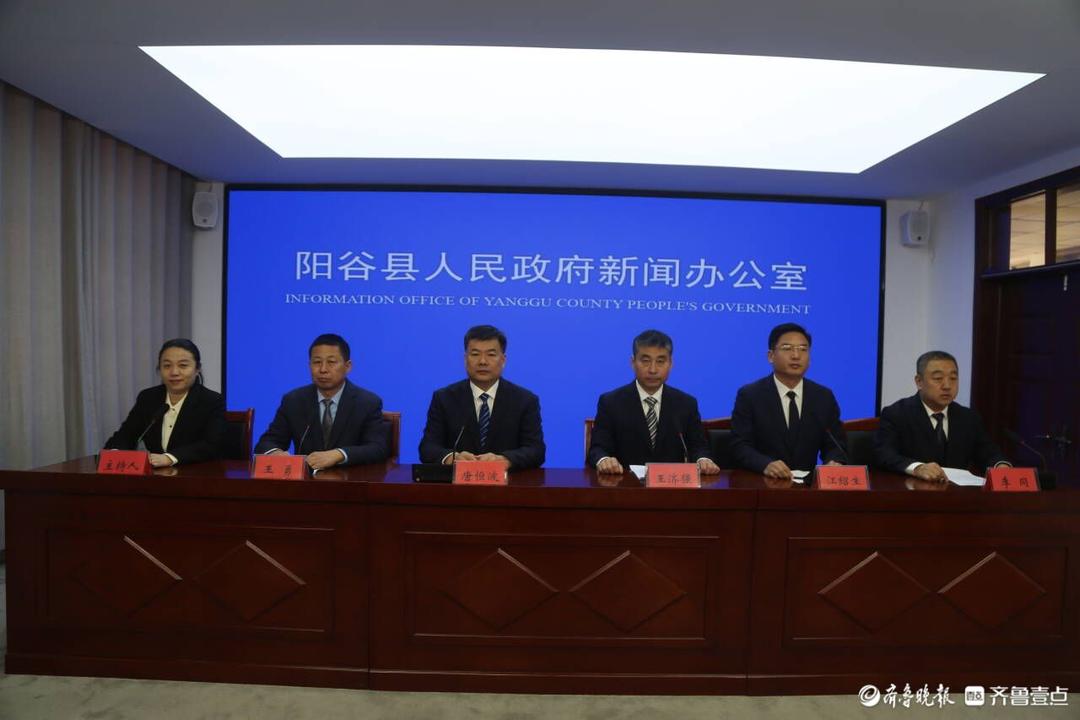
阳谷全面推进生活垃圾治理,及时收运和无害化焚烧处理率100%
Qi Lu Wan Bao· 2025-12-06 04:17
Core Viewpoint - The Yanggu County government is focusing on reform and innovation to promote high-quality development, emphasizing urban construction and management, infrastructure improvement, and enhanced public services [3]. Group 1: Urban Development and Management - Yanggu County is adapting to new urban development trends and addressing new challenges, leading to significant improvements in urban infrastructure and quality [3]. - The county has implemented meticulous management practices, maintaining a municipal facility integrity rate of over 95%, streetlight operational rate of 98%, and urban greening integrity rate of 90% [4]. - The county has effectively managed road cleanliness, achieving a deep cleaning rate of 93.7% and a 100% coverage rate for watering and street cleaning [4]. Group 2: Digital Empowerment and Efficiency - The county has established a comprehensive urban management service platform, utilizing a grid management system that divides the area into 2,864 units, enhancing operational efficiency [4]. - A total of 38,000 cases have been collected and processed this year, with a 100% completion rate for case handling and timely processing [4]. - The initiative "Video Intelligent Application to Enhance Urban Management Efficiency" was recognized as a model case by the Shandong Provincial Big Data Bureau [4]. Group 3: Safety and Security Measures - The county is prioritizing safety alongside development, conducting thorough safety inspections in areas such as gas, self-built housing, flood prevention, and farmland protection [4].

生活垃圾治理需要从硬件建设向文化引领深化
Zhong Guo Huan Jing Bao· 2025-11-12 05:44
Group 1 - The core viewpoint emphasizes the need for ecological culture to lead waste management efforts in China, moving from hardware construction to cultural guidance [1][2][3] - Significant achievements have been made in waste management, with the "garbage siege" phenomenon largely eliminated, resulting in cleaner urban environments [1] - Current challenges include over-reliance on incineration and transfer stations, low public participation, and difficulties in forming waste classification habits [1] Group 2 - Promoting source reduction requires the value guidance of ecological culture, with opportunities arising from events like the "Double Eleven" shopping festival to advocate for resource utilization [2] - Various channels such as education, community outreach, and new media should be utilized to spread knowledge about waste classification and ecological concepts [2] - Innovative waste collection models, such as the "garbage does not touch the ground" approach, have shown positive results but require strong support from ecological culture for sustainability [2] Group 3 - Long-term governance in waste management necessitates institutional support for ecological culture, requiring collaboration among government, enterprises, and communities [3] - The government should focus on green transformation and management rather than solely on construction achievements [3] - The goal is to shift waste classification from a requirement to a habit, fostering active participation in waste management [3]