
甲骨文数字化

Search documents
当甲骨文“走入”数字世界(博物视界)
Ren Min Ri Bao· 2025-11-20 22:21
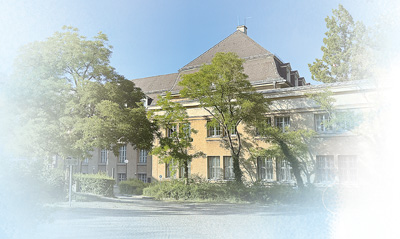
Core Viewpoint - The digitization of oracle bones at the Berlin Ethnological Museum represents a significant advancement in the preservation and study of this ancient Chinese writing system, enabling a deeper understanding of its historical context and cultural significance [7][12]. Group 1: Background and Significance - Approximately 160,000 oracle bones are held in over 180 institutions worldwide, with many at risk of deterioration, making digital preservation urgent [8]. - The Berlin Ethnological Museum houses 486 oracle bones, originally part of a collection of 717 acquired in the early 20th century by German sinologist Johannes Friedrich Albert Welz [8]. - Oracle bones are recognized as the earliest mature writing system discovered in China and were inscribed with characters that form the root of Chinese characters and culture [7]. Group 2: Research and Collaboration - A collaborative project between Chinese and German scholars aims to systematically digitize and study the oracle bones, supported by the National Social Science Fund [9][12]. - The project has attracted international attention, with scholars from prestigious institutions like Cambridge and Harvard visiting to discuss advanced imaging techniques [12]. Group 3: Technological Advancements - The digitization process faced challenges due to the need for artifact preservation, leading to the use of advanced imaging technologies such as micro-photography and ultraviolet fluorescence imaging [10]. - The application of reflective transformation imaging technology allowed for the first 3D dynamic imaging of all oracle bones, marking a milestone in overseas oracle bone research [10]. Group 4: Outcomes and Future Directions - The digitization project has successfully completed the digital archiving of all 486 oracle bones, with plans to publish a comprehensive catalog in multiple languages [11]. - The initiative aims to create a global information model and collaborative platform for oracle bone studies, utilizing cutting-edge technologies like artificial intelligence and 3D modeling [12]. - The digitization efforts are expected to enhance public engagement with ancient Chinese culture, making the historical significance of oracle bones more accessible [12].

AI焕活甲骨文“归乡”之路
Qi Lu Wan Bao· 2025-11-18 02:27
Core Insights - The Anyang Yin Ruins have unearthed over 160,000 pieces of oracle bone inscriptions, which are now scattered across more than ten countries and regions [1] - A collaboration between Anyang Normal University’s Oracle Bone Script Information Processing Key Laboratory and institutions such as the National Library of France and the Musée Cernuschi has initiated the digitization of oracle bones held in Europe, fulfilling the goal of "digital return" for these artifacts [1] - The processed data has been organized into high-definition images and enhanced full-information data models, which are uploaded to the "Yin Qi Wen Yuan" AI collaborative platform, making it accessible to oracle bone enthusiasts and researchers worldwide [1]
新视野 | 当甲骨文遇见人工智能
Ren Min Ri Bao· 2025-06-13 21:44
Core Insights - The integration of ancient oracle bone script with modern artificial intelligence represents a significant advancement in the field of historical linguistics and data processing [1][2] - The establishment of a specialized data platform for oracle bone script, named "Yin Qi Wen Yuan," has facilitated research and made ancient scripts more accessible to scholars and enthusiasts [2][3] - The development of AI technologies for oracle bone script, including AI transcription, detection, and imaging techniques, has enhanced the accuracy and efficiency of research [3][4] Group 1 - The journey began in 2003 with a database course that sparked interest in the relationship between oracle bone script and computer technology [1] - A research team was formed to develop tools for inputting and processing oracle bone script, leading to significant milestones such as the establishment of a national research project in 2008 [2] - The "Yin Qi Wen Yuan" platform, launched in 2019, serves as a comprehensive resource for researchers, providing access to a wealth of oracle bone script knowledge [2] Group 2 - The global digital preservation system for oracle bones has been established, incorporating advanced imaging and data collection techniques to enhance research capabilities [3] - AI technologies have been developed to generate high-precision digital replicas of oracle bone inscriptions, significantly reducing manual labor and potential errors [3] - The "Digital Oracle Bone Co-Creation Center" was established in 2024, aiming to further integrate AI with oracle bone research and promote cultural heritage [4]