电信诈骗预防

Search documents
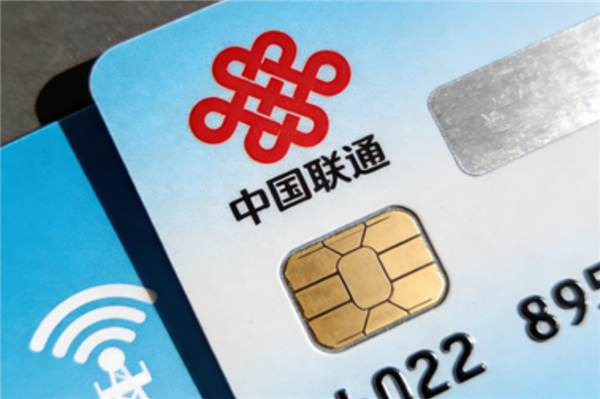
未满24岁都算低龄用户?联通办卡新规惹争议
Xin Lang Ke Ji· 2026-01-14 15:31
Group 1 - Ningxia Unicom has implemented a policy requiring users under 24 years old to present a stamped application form to obtain a mobile plan, citing concerns over potential fraud involving young users [1][2][3] - The initial definition of "under 24 years old" as "low-age users" has been updated to "ages 16-23," and the requirement for a stamped application form now only applies to users applying for a second phone number [2][3] - The customer service representative indicated that the majority of users in this age group are students who may lack social experience and legal awareness, making them vulnerable to scams [3] Group 2 - Experts have criticized the policy, arguing that labeling users under 24 as "low-age users" and imposing additional requirements constitutes age discrimination and lacks sufficient justification [4] - The expert noted that international practices typically only classify minors (under 18) as needing special protection, suggesting that the current approach is inconsistent with industry norms [4] - While the intention to prevent fraud is acknowledged, the expert argues that the measures taken may not be proportionate or necessary, as existing regulations already address most risk scenarios [4]


大学生又开始用现金了?透露出什么信号?部分学生讲出了“内情”
Xin Lang Cai Jing· 2025-12-27 12:25
Core Insights - The use of cash among university students is increasing, with approximately 42% of students reporting frequent cash usage, up from 26.4% in 2022 [1][2] - Cash payments are particularly prevalent in specific settings, such as campus canteens and convenience stores, where the cash payment rate can reach 57% [1] Group 1: Reasons for Increased Cash Usage - Cash helps students control their spending, as they can physically see the amount of cash they have left, which encourages them to manage their expenses better [4][6] - In certain situations, cash is necessary due to limitations of mobile payment methods, such as poor network signals or device malfunctions, making cash a reliable backup [7][9] - Privacy concerns drive students to prefer cash payments, as mobile payment platforms can track personal spending habits and potentially expose sensitive information [10][12] - Cash payments are seen as a safeguard against various forms of financial fraud, with students opting for cash to avoid the risks associated with sharing bank details online [13][15] Group 2: Future Outlook - The trend indicates that while cash usage is rising among university students, mobile payments will not disappear but will coexist with cash payments in daily transactions [15]