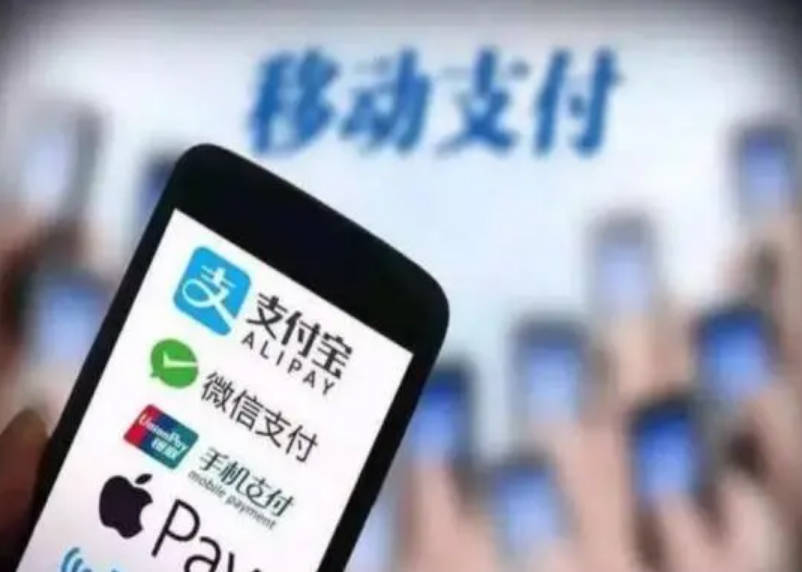
消费支出控制

Search documents
大学生又开始用现金了?透露出什么信号?部分学生讲出了“内情”
Xin Lang Cai Jing· 2025-12-27 12:25
Core Insights - The use of cash among university students is increasing, with approximately 42% of students reporting frequent cash usage, up from 26.4% in 2022 [1][2] - Cash payments are particularly prevalent in specific settings, such as campus canteens and convenience stores, where the cash payment rate can reach 57% [1] Group 1: Reasons for Increased Cash Usage - Cash helps students control their spending, as they can physically see the amount of cash they have left, which encourages them to manage their expenses better [4][6] - In certain situations, cash is necessary due to limitations of mobile payment methods, such as poor network signals or device malfunctions, making cash a reliable backup [7][9] - Privacy concerns drive students to prefer cash payments, as mobile payment platforms can track personal spending habits and potentially expose sensitive information [10][12] - Cash payments are seen as a safeguard against various forms of financial fraud, with students opting for cash to avoid the risks associated with sharing bank details online [13][15] Group 2: Future Outlook - The trend indicates that while cash usage is rising among university students, mobile payments will not disappear but will coexist with cash payments in daily transactions [15]

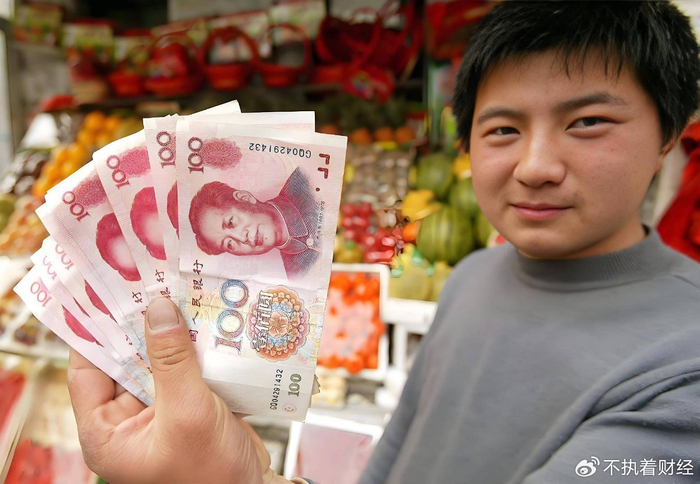
10月起,建议大家开始使用现金支付,5大原因,说出背后实情
Sou Hu Cai Jing· 2025-10-13 14:02
Core Viewpoint - The increasing prevalence of mobile payments is evident, with a projected 98.7% adoption rate by Q2 2025 in China, yet cash payments remain irreplaceable in certain scenarios [1][3]. Group 1: Mobile Payment Trends - Mobile payment usage is on the rise, with daily transaction volumes exceeding 1 trillion yuan [1]. - Predictions suggest that mobile payments will completely replace cash payments within the next 20 years [1]. Group 2: Cash Payment Advantages - Cash payments enhance payment stability, especially in situations where mobile payment systems fail due to technical issues or poor network coverage [5][6]. - Cash payments help consumers control spending, as physically seeing cash diminish encourages more mindful spending habits [6][8]. - Cash payments protect personal privacy, as they do not leave a digital footprint that can be tracked by payment platforms [8]. - Cash is essential during emergencies, such as natural disasters or urgent medical situations, where electronic payment systems may be unavailable [8][9]. - A significant portion of the elderly population prefers cash transactions, necessitating cash availability for interactions with this demographic [10].