
电动自行车新标准

Search documents
电动自行车新标准引讨论 为啥限速?带来哪些积极影响?
Zhong Guo Xin Wen Wang· 2025-12-11 01:51
Core Viewpoint - The new standard for electric bicycles, effective from December 1, limits the maximum speed to 25 km/h to enhance traffic safety and reduce accidents [1][2]. Group 1: Speed Regulation - The new standard maintains the maximum design speed of 25 km/h, which was also present in the 2018 version, and adds a requirement that the motor must stop providing power if the speed exceeds this limit [1]. - Many currently used electric bicycles exceed this speed due to the performance capacity of their motors, allowing for illegal modifications [1]. Group 2: Safety Considerations - The speed limit aims to reduce traffic accident risks by ensuring that vehicles cannot exceed the speed limit, thereby shortening braking distances and lowering collision risks [2]. - The new standard includes technical requirements such as the motor's no-load back electromotive force and inductance value difference coefficient to ensure compliance with the speed limit [1]. Group 3: Anti-Tampering Measures - The standard introduces measures to prevent illegal modifications, including improved anti-tampering technical indicators and testing methods, which raise the threshold for modifications [2]. - The implementation of a "one vehicle, one pool, one charge, one code" system is expected to significantly reduce or eliminate modification behaviors [2].
工信部回应“个别电动自行车不够人性化”:推动企业不断优化产品设计
Zhong Guo Jing Ying Bao· 2025-12-05 13:37
Core Viewpoint - The new mandatory national standard for electric bicycles (GB 17761—2024) has been implemented, aiming to reduce safety hazards and improve functionality, but some products are not meeting consumer needs effectively [1][2] Group 1: Standard Implementation - The transition period for the new electric bicycle standard ended on November 30, 2025, with compliant products being gradually introduced to the market [1] - Over 100 companies have had more than 600 models certified under the new standard, with most meeting consumer demands [2] Group 2: Consumer Feedback and Product Design - Some companies have not fully understood or accurately implemented the new standard, leading to products that do not adequately consider consumer needs and usability [2] - The Consumer Goods Industry Department is guiding companies to optimize product designs and accelerate the production of satisfactory electric bicycles [2] Group 3: Industry Self-Regulation - The China Bicycle Association is urged to enhance industry self-regulation and promote the new standard among member companies [2] - The Consumer Goods Industry Department will continue to monitor consumer feedback and encourage manufacturers to improve product development and increase the supply of new standard models [2]
电动自行车新标准起草单位:电动自行车门店大面积关闭传闻不实
Xin Hua Cai Jing· 2025-12-05 13:24
Core Viewpoint - The newly revised mandatory national standard for electric bicycles, GB 17761—2024, has been implemented, and the transition period has officially ended, with compliant electric bicycles being launched in the market. Concerns regarding widespread store closures and safety issues related to the new standard have been addressed by the China Electronics Standardization Institute, clarifying that these concerns are unfounded [1][2]. Group 1: Market Impact - The new standard was officially implemented on September 1, and since then, production of old standard vehicles has ceased, with over 400 models from more than 30 mainstream brands already certified under the new standard [1]. - Most electric bicycle sales stores are operating normally, with available stock to meet consumer demand, and only a few stores in certain regions have temporarily closed, likely due to strategic adjustments rather than supply issues [1]. Group 2: Safety Regulations - The new standard maintains the maximum speed limit of 25 km/h and introduces a requirement for the motor to stop providing power when this speed is exceeded, which is based on extensive experimental data to ensure safety and smooth riding [1][2]. - The implementation of the new standard does not lead to sudden braking during normal operation, as the motor will not assist when the speed exceeds 25 km/h, allowing riders to control speed through braking [2]. Group 3: Design Considerations - The new standard does not change the previous regulation regarding the length of the seat, which should not exceed 350 mm, to prevent illegal carrying of adults on electric bicycles [2]. - The standard encourages the installation of rearview mirrors and allows for the measurement of vehicle height and width without including the dimensions of mirrors and connecting rods, providing flexibility for design and installation [2].
事关电动自行车,工信部、中国自行车协会发声
2 1 Shi Ji Jing Ji Bao Dao· 2025-12-05 05:07
Core Viewpoint - The implementation of the new mandatory national standard for electric bicycles (GB 17761—2024) aims to enhance safety, functionality, and user experience while addressing consumer needs and concerns [1][2][3]. Group 1: New Standard Implementation - The transition period for the new electric bicycle safety standard officially ended on December 1, 2025, with compliant products gradually entering the market [1][3]. - Over 100 companies have certified more than 600 models under the new standard, with most meeting consumer needs effectively [2][4]. Group 2: Safety and User Experience Enhancements - The revised standard aims to reduce fire hazards and traffic accidents while improving product diversity, comfort, and usability [2][3]. - Key improvements include enhanced fire resistance, shorter braking distances, and better design to prevent tampering, which collectively lower safety risks [3][4]. Group 3: Industry Response and Consumer Concerns - Some companies have struggled to fully understand and implement the new standards, leading to products that do not meet consumer expectations [2][4]. - The industry acknowledges the need for better communication and education regarding the new standards to prevent misunderstandings among consumers [4][6]. Group 4: Collaborative Efforts for Industry Improvement - The China Bicycle Association calls for collaboration across the industry to ensure compliance with the new standards and to enhance product offerings [7][8]. - There is an emphasis on the importance of consumer feedback in driving product design and improvements, with a commitment to addressing concerns raised by users [6][8].
工信部回应“个别电动车不够人性化”
证券时报· 2025-12-05 04:45
Core Viewpoint - The article discusses the implementation of the new mandatory national standard for electric bicycles, aiming to enhance safety and consumer satisfaction while addressing concerns regarding product design and functionality [1][2]. Group 1: New Standards and Industry Response - The new mandatory national standard GB 17761—2024 for electric bicycles has been implemented, with a transition period ending on November 30, 2025 [1]. - The purpose of the new standard is to reduce safety hazards such as fires and traffic accidents while improving functionality, diversity, comfort, and convenience of electric bicycles [2]. - Over 100 companies have certified more than 600 models under the new standard, with most meeting consumer needs effectively [2]. Group 2: Consumer Concerns and Misunderstandings - There are concerns from consumers regarding certain product features, such as the design of seats and the ability to carry children, which have been misinterpreted due to inadequate communication from some manufacturers [3]. - The "iron seat" issue is clarified, stating that most mainstream models use foam materials that meet safety standards and provide comfort, with the "iron seat" being an exception from a few companies [3]. - Regarding the ability to carry children, over 70% of new standard models include rear racks, catering to family needs, while some models are designed for single riders [3]. Group 3: Clarifications on Product Features - The new standard does not prohibit the installation of rearview mirrors; instead, it encourages their installation, with most vehicles coming equipped with them [4]. - The new models do not engage in emergency braking when reaching the speed limit of 25 km/h, ensuring a smooth riding experience [3].

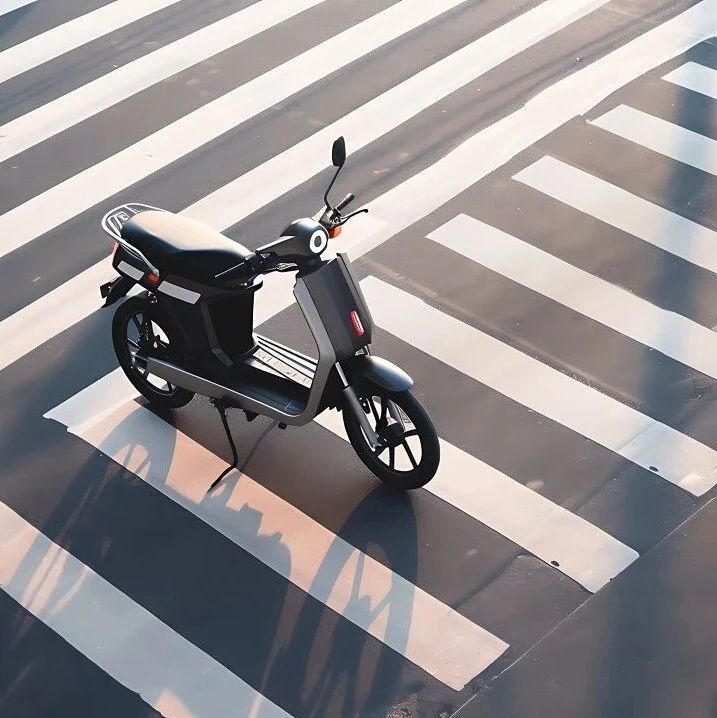
工信部:优化设计,生产消费者满意的电动自行车新品
Xin Lang Cai Jing· 2025-12-05 03:45
Core Viewpoint - The new mandatory national standard for electric bicycles, GB 17761—2024, aims to enhance safety and usability while addressing consumer needs, with the transition period officially ending on November 30, 2025 [1][2][3] Group 1: New Standard Implementation - The transition period for the new electric bicycle safety standard has ended, and compliant products are being introduced to the market [1] - Over 100 companies have certified more than 600 models under the new standard, with most meeting consumer demands effectively [2][3] Group 2: Industry Response and Guidance - Some companies have struggled to fully understand and implement the new standards, particularly in product design, leading to consumer dissatisfaction [2][3] - The Consumer Goods Industry Department is guiding companies to optimize product designs and accelerate the production of satisfactory electric bicycles [2][3] - The China Bicycle Association is urged to enhance industry self-regulation and promote the new standards among member companies [2][3] Group 3: Future Actions - The Consumer Goods Industry Department will continue to monitor consumer feedback on electric bicycles and encourage manufacturers to improve product design and increase the supply of new standard models [2][3]
工信部回应“个别电动车不够人性化”:将推动生产企业优化产品
Di Yi Cai Jing· 2025-12-05 01:33
Core Viewpoint - The implementation of the new mandatory national standard for electric bicycles, GB 17761—2024, aims to enhance safety and usability while addressing consumer needs, despite some initial product shortcomings [1][2] Group 1: New Standard Implementation - The transition period for the new electric bicycle safety technical specification ended on November 30, 2025, with compliant models being gradually introduced to the market [1] - Over 100 companies have had more than 600 models certified under the new standard, with most meeting consumer demands effectively [1] Group 2: Consumer Feedback and Product Design - Some products have been criticized for not adequately addressing consumer needs in design aspects such as seats, rear racks, and mirrors, indicating a lack of comprehensive understanding of the new standard by certain manufacturers [1] - The Consumer Goods Industry Department is guiding companies to optimize product designs and accelerate the production of satisfactory electric bicycles [1][2] Group 3: Industry Self-Regulation - The China Bicycle Association is urged to strengthen industry self-regulation and enhance the promotion of the new standard, ensuring accurate implementation by member companies [1]
工信部回应“个别电动车不够人性化”;电动自行车“不能带小孩”“超速会急刹”……中国自行车协会发声
Mei Ri Jing Ji Xin Wen· 2025-12-05 01:17
Core Viewpoint - The implementation of the new mandatory national standard for electric bicycles (GB 17761—2024) aims to enhance safety, functionality, and user experience while addressing consumer needs and concerns regarding product design and usability [1][4][5]. Group 1: New Standard Implementation - The transition period for the new electric bicycle safety standard officially ended on November 30, 2025, with over 100 companies and 600 models certified and entering the market [1][4]. - The new standard focuses on reducing fire hazards and traffic accidents while improving product diversity, comfort, and convenience for users [1][4]. Group 2: Consumer Concerns and Industry Response - Some new products have been criticized for not meeting consumer needs, particularly in areas like seat design and usability, prompting the industry to optimize product designs [1][2]. - The China Bicycle Association has addressed public concerns, emphasizing that the new standard enhances safety and reduces risks associated with electric bicycles [4][5]. Group 3: Industry Collaboration and Future Directions - The association calls for collaboration across the industry to ensure compliance with the new standards, improve product offerings, and enhance consumer education [7][8]. - There is a commitment to ongoing consumer feedback to drive product development and ensure that new models meet market demands effectively [2][8].
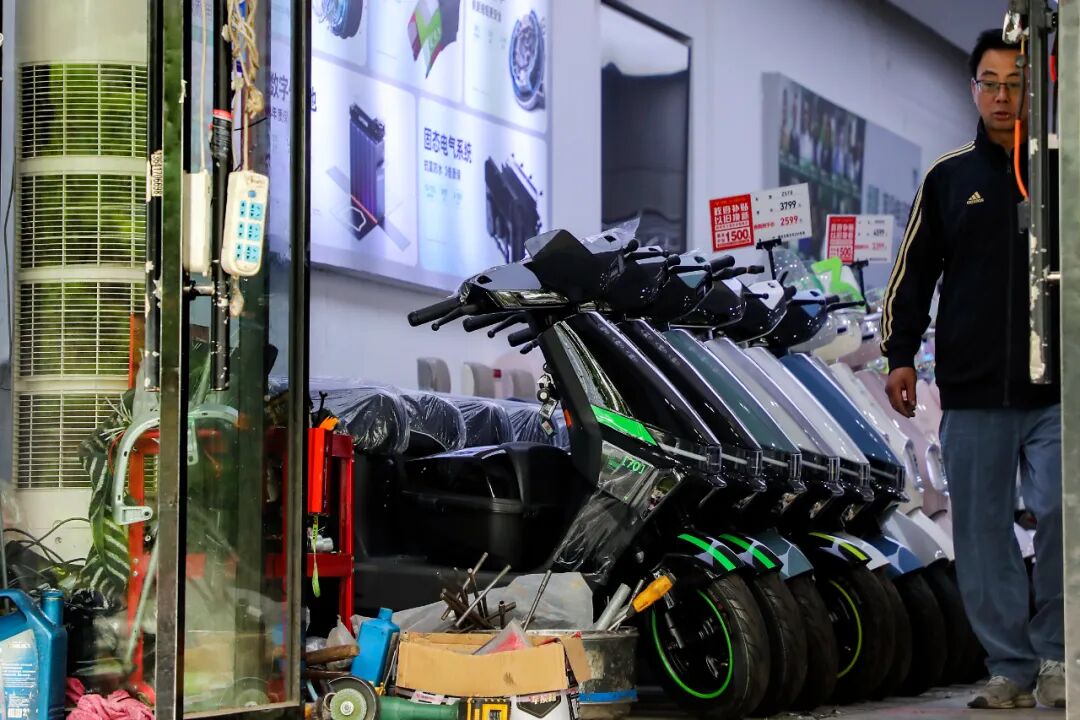
工信部回应“个别电动车不够人性化”
第一财经· 2025-12-04 23:56
Core Viewpoint - The new mandatory national standard for electric bicycles, GB 17761 — 2024, aims to reduce safety hazards such as fires and traffic accidents while enhancing functionality, diversity, comfort, and convenience for consumers [2]. Group 1 - The transition period for the new electric bicycle standard ended on November 30, 2025, and compliant products are being introduced to the market [1]. - Over 100 companies have had more than 600 models pass CCC certification, with most meeting consumer needs effectively [2]. - Some companies have struggled to fully understand and implement the new standards, particularly in product design, leading to consumer dissatisfaction with certain features [2]. Group 2 - The Consumer Goods Industry Department is guiding companies to optimize product designs and accelerate the production of satisfactory electric bicycles [2]. - The China Bicycle Association is urged to enhance industry self-discipline and promote the new standards among member companies [2]. - The department will continue to monitor consumer feedback on electric bicycle products to encourage ongoing improvements in product development and increase the market supply of new standard models [2].

工信部:指导企业加快生产令消费者满意的新标准电动自行车产品
Zhong Guo Xin Wen Wang· 2025-12-04 23:28
Core Viewpoint - The Ministry of Industry and Information Technology (MIIT) is guiding companies to accelerate the production of new standard electric bicycles that meet consumer satisfaction, following the transition period for the new mandatory national standard GB 17761—2024, which ended on November 30, 2025 [1][2]. Group 1 - The revised standard aims to reduce and eliminate safety hazards related to electric bicycles, such as fire risks and traffic accidents, while enhancing functionality, product diversity, riding comfort, and ease of use [2]. - Over 100 companies have had more than 600 models certified under the CCC, and most of these products meet consumer needs well [2]. - Some companies have not fully understood or accurately implemented the new standards, particularly in product design, leading to complaints about user experience [2]. Group 2 - The MIIT has instructed relevant companies to optimize product design and accelerate the production of electric bicycles that satisfy consumers [2]. - The China Bicycle Association is required to strengthen industry self-discipline, enhance the promotion of the new standards, and ensure member companies fully and accurately implement the new standards [2]. - The MIIT will continue to monitor consumer feedback on electric bicycle products and encourage manufacturers to improve product development and increase the market supply of new standard models [2].