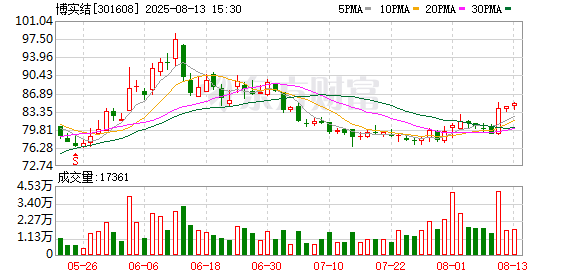
电动自行车智能化

Search documents
机构:电动自行车行业景气度提升 需求结构性增长显著
Zheng Quan Shi Bao Wang· 2025-12-03 00:32
Core Viewpoint - The implementation of the new mandatory national standard for electric bicycles starting December 1 will significantly impact the market, leading to structural growth in demand and an improvement in industry conditions [1] Group 1: Industry Outlook - The electric bicycle industry is expected to see a substantial improvement in market conditions due to the new national standard and other supportive policies [1] - The new standard will accelerate the elimination of outdated production capacity, creating opportunities for restructuring within the industry [1] - The trend of smart electric bicycles is gaining traction, expanding the customer base and increasing market size beyond mere replacement of old models [1] Group 2: Market Demand - The implementation of the new standard will necessitate the replacement of a large number of non-compliant existing vehicles, which, along with local "trade-in" subsidy policies, will stimulate market demand [1] - Higher and stricter safety requirements for vehicles and batteries under the new standard will require manufacturers to invest additional resources for compliance, leading to the exit of some small and medium-sized brands from the market [1] Group 3: Competitive Landscape - Leading companies in the electric two-wheeler sector are likely to gain market share and enhance profitability due to their brand advantages, economies of scale, and R&D capabilities in the wake of the new standard [1]
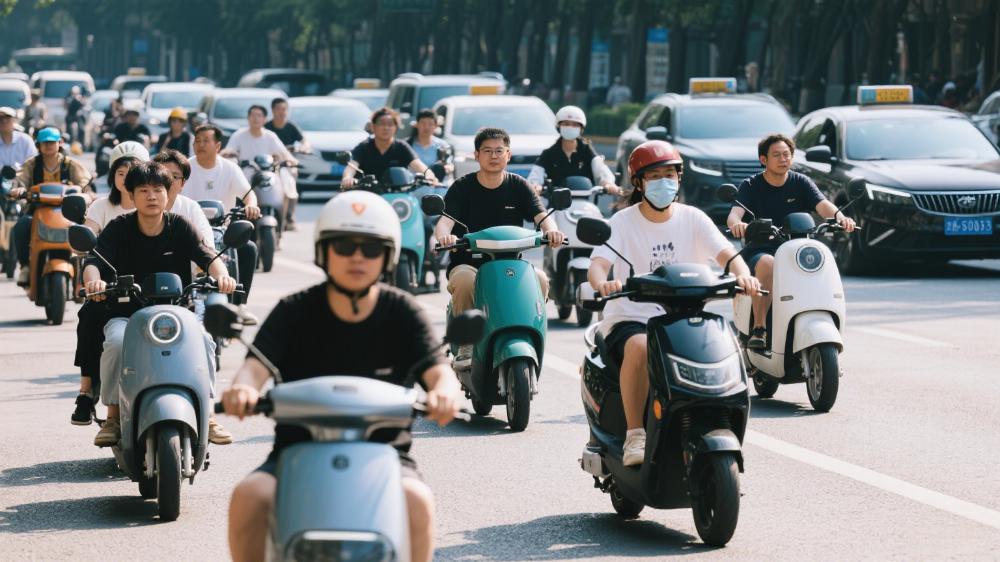
电动自行车:中国式制霸
3 6 Ke· 2025-08-14 14:14
Core Viewpoint - The article discusses the decline of the motorcycle industry in China due to the implementation of motorcycle bans, which has led to the rise of electric bicycles as the dominant mode of personal transportation in the country. Group 1: Motorcycle Industry Overview - In Southeast Asian countries like India, Indonesia, and Vietnam, motorcycles are prevalent, with ownership numbers reaching 221 million, 112 million, and 45 million respectively. In contrast, China has 123 million motorcycles but 350 million electric bicycles, indicating a shift in transportation preferences [2][4]. - The motorcycle industry in China was once thriving, with annual production exceeding 20 million units from the 1990s to 2005, accounting for 60% of global output [2][4]. Group 2: Impact of Motorcycle Bans - The motorcycle ban in China began in 1985 and expanded to cover 185 cities by 2019, primarily due to high accident rates, pollution, and security issues associated with motorcycles [9][7]. - In 2024, motorcycle-related traffic accidents resulted in 16,532 deaths, making up 28.7% of total motor vehicle fatalities, highlighting the safety concerns that prompted the bans [9]. Group 3: Rise of Electric Bicycles - The electric bicycle market in China saw explosive growth, with sales jumping from 29,000 units in 2000 to 4 million in 2003, driven by the motorcycle bans and changing consumer preferences [10][9]. - By 2010, electric bicycle sales approached 30 million units, peaking at 36.95 million in 2013, indicating a strong market demand for this mode of transportation [17]. Group 4: Key Players in the Electric Bicycle Market - Major players in the electric bicycle market include Yadea, Aima, and Ninebot, with Yadea leading in sales, reaching 282.36 billion yuan in revenue in 2024 [29][30]. - Ninebot has shown significant growth, with revenue increasing from 4.32 billion yuan in 2020 to an estimated 72.11 billion yuan in 2024, driven by an expanding sales network [25][26]. Group 5: Future Opportunities - The introduction of new national standards for electric bicycles in 2018 and 2024 is expected to phase out non-compliant products, creating opportunities for compliant brands like Ninebot and Xiaomi to capture market share [21][31]. - The recent policy changes allowing motorcycles to operate in urban areas and the push for electric motorcycles present new growth avenues for companies in the electric two-wheeler market [31][32].

电动自行车:中国称霸全球
Hu Xiu· 2025-08-14 11:39
Core Insights - The article discusses the significant shift in the transportation landscape in China, where electric bicycles have overtaken motorcycles in popularity due to regulatory changes and market dynamics [1][4][10]. Group 1: Market Overview - In Southeast Asia, countries like India, Indonesia, and Vietnam have high motorcycle ownership, with Vietnam having 2.21 million motorcycles for a population of less than 100 million [1][2]. - In contrast, China has 3.5 billion electric bicycles and 1.23 billion motorcycles, indicating a preference for electric vehicles [1][3]. - The motorcycle industry in China peaked in the early 2000s, producing over 20 million units annually, but has since declined due to the implementation of motorcycle bans in major cities [2][8]. Group 2: Regulatory Impact - The motorcycle ban, which began in Beijing in 1985 and expanded nationwide, was driven by high accident rates, pollution concerns, and security issues [9][10][12]. - The ban has led to a rapid increase in the electric bicycle market, which saw sales jump from 29,000 units in 2000 to 400,000 units in 2003 [13][18]. Group 3: Company Developments - Companies like Yadea and Aima have emerged as leaders in the electric bicycle market, with Yadea selling 430,000 electric motorcycles in countries like Cambodia and Pakistan in 2024 [3][37]. - The article highlights the rise of new players like Ninebot, which has focused on high-end electric bicycles and has seen significant revenue growth, reaching 72.11 billion yuan in 2024 [32][37]. Group 4: Future Opportunities - The introduction of new national standards for electric bicycles in 2018 has created opportunities for companies to innovate and improve safety and performance [27][39]. - The recent policy changes allowing motorcycles in urban areas and the push for electric motorcycles present new market opportunities for companies like Ninebot and Niu Technologies [40][41].
博实结:电动自行车领域产品主要包括智能蓝牙仪表盘等
Zheng Quan Ri Bao· 2025-08-13 11:40
Group 1 - The core viewpoint of the article highlights that the introduction of the "Electric Bicycle Safety Technical Specifications" will promote the intelligence of electric bicycles, positively impacting the company's business [2] - The company’s product offerings in the electric bicycle sector include smart Bluetooth instrument panels, smart helmet lock components, and electric bicycle central control products [2] Group 2 - The company responded to investor inquiries on August 13, indicating its commitment to the electric bicycle market [2] - The new regulations are expected to drive innovation and enhance safety features in the electric bicycle industry [2]