电子战革命

Search documents
特朗普宣布“控制”委内瑞拉总统,石油人民币结算遇阻?S-300为何“失明”?
Sou Hu Cai Jing· 2026-01-04 09:01
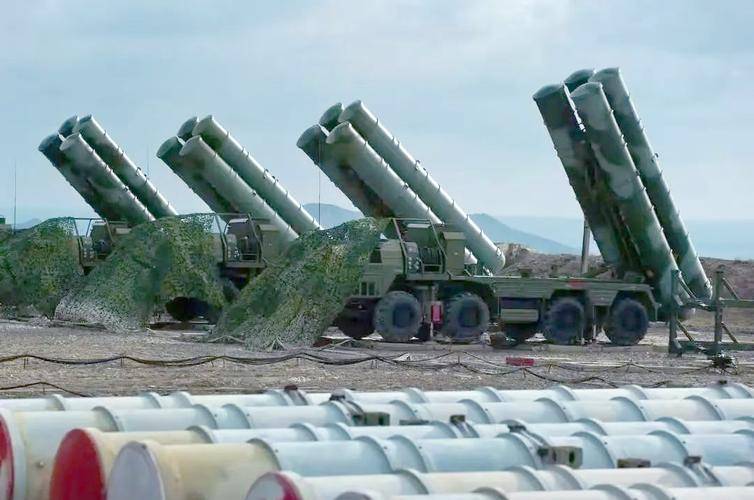
Group 1 - The U.S. military operation in Venezuela, named "Operation Justice Mission," signifies a shift in the geopolitical landscape of Latin America and highlights the U.S. strategies in energy dominance, monetary systems, and military technology [2] - Venezuela, holding approximately 300 billion barrels of oil, has seen its oil production plummet to under 1 million barrels per day due to U.S. sanctions, which has severely impacted its economy and energy sector [2] - The U.S. plans to take control of Venezuela's oil industry and revert to a dollar-based settlement system, potentially nullifying existing agreements with China and jeopardizing China's investments in Venezuela [2] Group 2 - The failure of the Russian S-300 air defense system during the U.S. operation underscores the vulnerabilities of traditional military systems in modern electronic warfare, as the system became inoperable under U.S. electronic jamming [2] - The S-300's operational readiness was only 60% due to a lack of Russian technical support, which has been exacerbated by U.S. sanctions, revealing the critical need for countries to develop independent electronic warfare capabilities [2] - The incident reflects a broader trend where smaller nations without robust military technology face significant challenges against technologically advanced adversaries [2] Group 3 - The U.S. actions in Venezuela indicate a growing anxiety regarding its control over the "Global South," with potential repercussions for leftist regimes in the region and an acceleration of de-dollarization efforts in countries like Brazil and Argentina [2] - The crisis may lead to increased cooperation among China, Russia, and Iran, emphasizing the resilience of non-Western alliances and the potential for a shift in global power dynamics [2] - Following the Venezuelan incident, shipping insurance costs in the Caribbean surged by 300%, prompting some shipowners to switch to renminbi settlements, which could further undermine the credibility of the dollar system [3] Group 4 - China is advised to diversify its energy security, expand the reach of its cross-border payment system (CIPS), and enhance its military technology capabilities in response to the dual pressures from the U.S. and the evolving geopolitical landscape [3] - The Venezuelan crisis presents both challenges and opportunities for China to reform and potentially lead a consensus for a "de-hegemonization" movement among Global South nations, paving the way for a multipolar order [3] - The U.S. operation is characterized as a preventive strike to maintain its hegemonic status, yet it may inadvertently accelerate the fragmentation of global power structures [3]