
疏堵结合

Search documents
去年全年受理办件366万余件
Xin Lang Cai Jing· 2026-01-21 17:29
Core Insights - The 12345 Haikou Citizen Service Smart Interaction Platform has effectively addressed governance challenges, with a total of over 3.66 million cases handled in the past year, reflecting a year-on-year decrease of 6.34% in case acceptance [1][2] - The platform has implemented a systematic governance approach to tackle persistent issues such as the illegal parking of electric bicycles on Nanlian Road, significantly improving traffic order and reducing public complaints [2][3] Group 1 - The governance strategy emphasizes a "combination of diversion and blockage," with the establishment of free non-motor vehicle parking areas to alleviate parking resource shortages in the old city [2] - The area has been integrated into a grid management system, with regular inspections and public awareness campaigns to encourage proper parking behavior among residents and businesses [2][3] - The hotline's efficiency has improved, with over 11,000 cases processed by the hotline's handling units in 2025, marking a year-on-year increase of 42.22%, while the number of returned cases decreased by 26.93% [2] Group 2 - The platform has focused on addressing public concerns and governance difficulties, producing 429 reports and 31 specialized analysis reports, with significant attention given to noise pollution and the renovation of old neighborhoods [3] - The "one-click car relocation" service has expanded its coverage from Haikou license plates to national plates, handling over 1,000 cases daily, which constitutes 10%-20% of the total cases [3] - The platform has established a dual-driven service system to efficiently resolve urgent issues faced by enterprises and the public, with nearly 134,000 enterprise-related cases processed in 2025 [4]
“私摊”为何“屡禁不绝”
Xin Lang Cai Jing· 2026-01-08 16:56
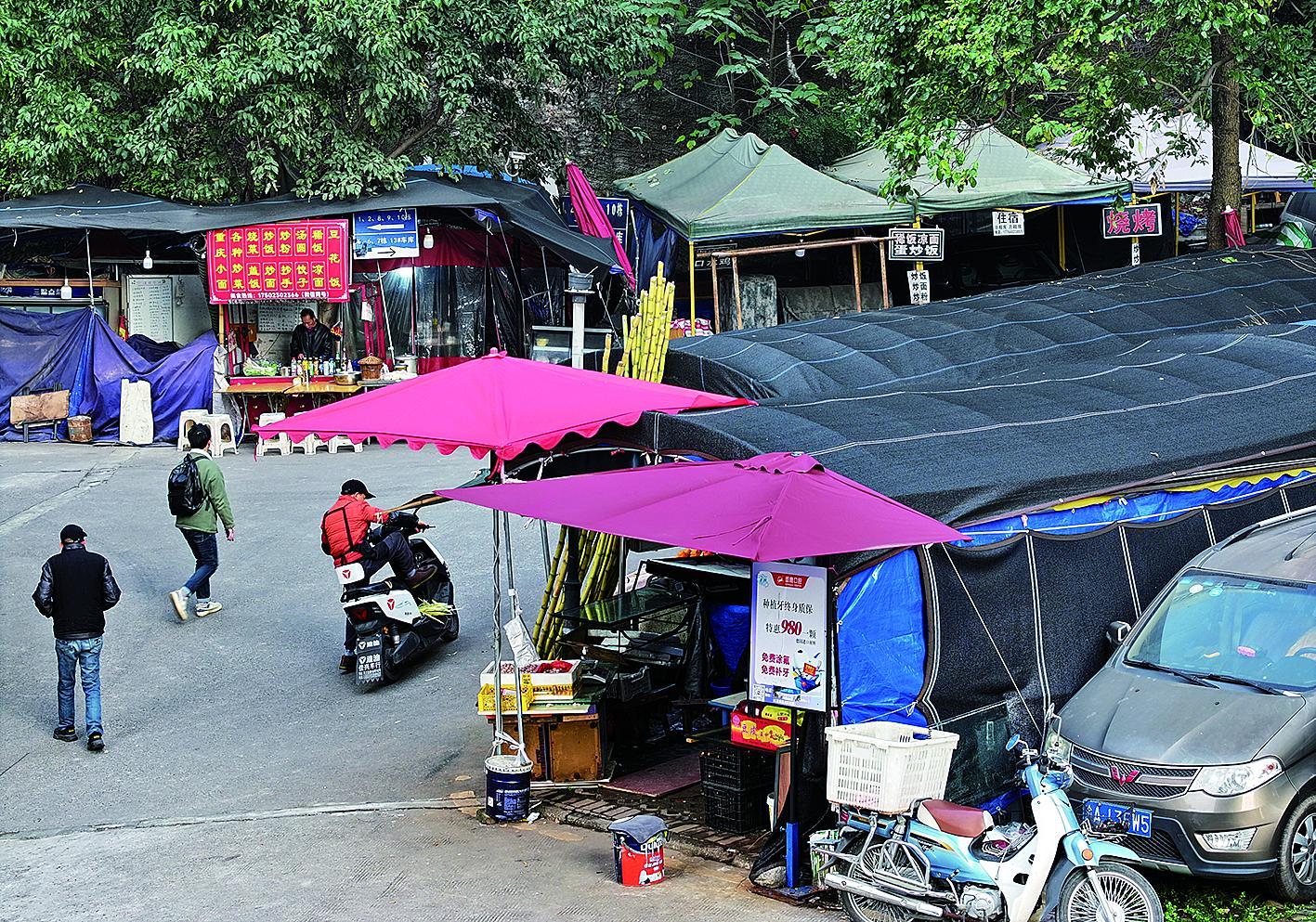
这些临时摊位为何让居民苦不堪言?1月6日,记者前往该小区展开实地调查。 占道摊点包围三岔路口周边 畔山桃园小区的占道摆摊种种乱象 "清早出门上班,车子在小区里就堵得挪不动窝;半夜回家,烧烤油烟直钻窗户,刚洗过晾干的衣服都带着一股油烟味!"连日来,沙坪坝区重庆西站金桥路 附近的畔山桃园小区居民,纷纷向记者吐槽生活中的烦心事。而这一切的根源,正是小区内十多个占道搭建的临时经营摊位。 占道经营 添堵滋扰居民喊苦 畔山桃园小区依陡峭山坡而建,10栋居民楼错落分布,全靠盘旋而上的小区公路连接。6日上午,记者来到小区第一层平台。这里不仅是三四栋居民的居住 区域,更是一个大型露天停车场,数十个车位停满私家车。 作为整个小区的交通枢纽,第一层平台的三岔路口是小区居民私家车进出的必经之路,也是小区车流、人流最密集的区域。然而,记者在现场看到,十多个 由钢管、木板、遮阳棚、塑料布等简易材料搭建的临时摊位,不仅霸占了本就紧张的停车位,更将三岔路口团团围住。原本不宽敞的行车道愈发狭窄,车辆 通行不得不减速慢行。 "早晚高峰最恼火!进出的车子多,道路直接堵得水泄不通。有时早上开车出门,光在这儿就得堵小半个小时!"小区居民王先生无奈地说 ...

事关网约车,武汉站正式启用
Chang Jiang Ri Bao· 2025-12-18 00:42
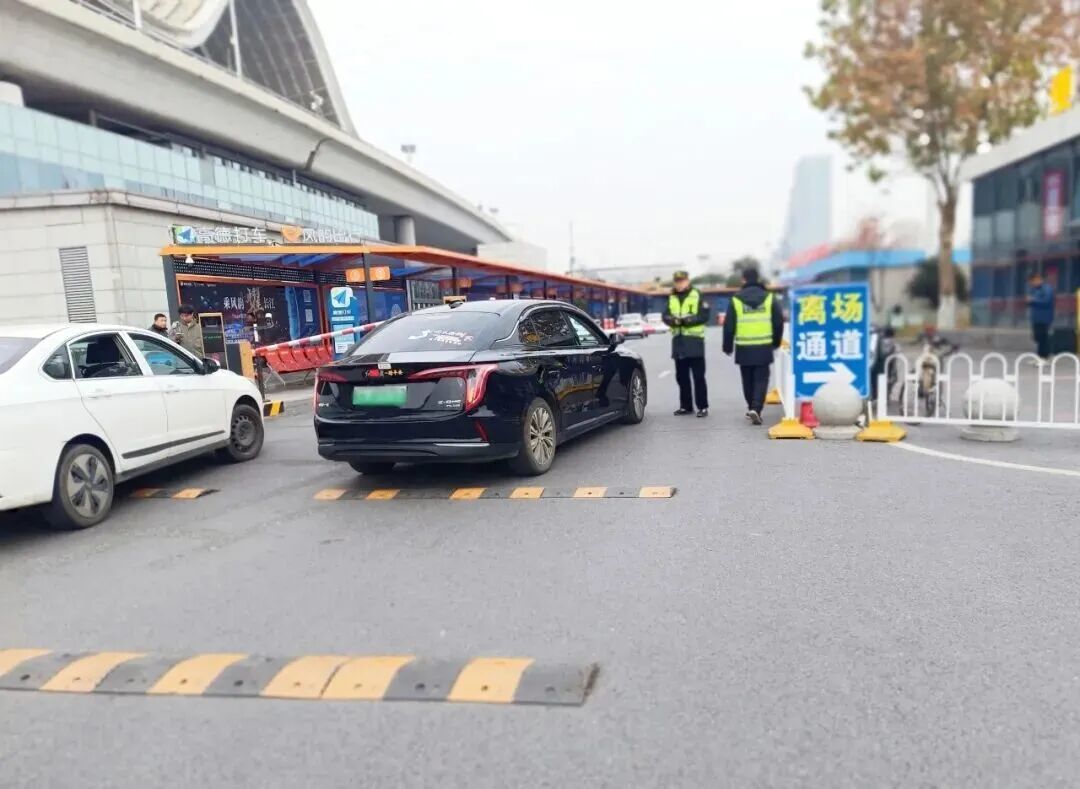
Core Viewpoint - The implementation of a new management system for ride-hailing services at Wuhan Railway Station aims to address long-standing issues of disorderly queuing and traffic congestion in the area, enhancing the efficiency of both drivers and passengers [1][3]. Group 1: New Regulations and Implementation - Starting from December 15, a designated waiting area and a "order acceptance access" management system have been officially launched in the ride-hailing zone around Wuhan Railway Station [1]. - The new regulations have led to orderly queuing for drivers and quicker boarding for passengers, resulting in smoother traffic flow in the station area [1][3]. - The governance plan focuses on "remote vehicle waiting and precise passenger pickup," designating three specific waiting areas for ride-hailing vehicles [3][4]. Group 2: Technology and Compliance - An intelligent barrier system has been integrated with major ride-hailing platforms to ensure that only vehicles with real-time orders can enter the designated pickup area [3][4]. - Compliance measures include allowing only vehicles with valid ride-hailing transport and driver certificates to access the waiting zones, thereby reinforcing industry regulations [4]. - A joint inspection team has been established to strictly monitor and penalize unlicensed operations and platform violations, ensuring adherence to industry standards [4]. Group 3: Future Optimizations - The management office plans to continuously optimize the layout and service support based on operational data and feedback from drivers and passengers, aiming to create a more organized travel environment [4].
管住“吵吵吵”需要疏堵结合
Zhong Guo Huan Jing Bao· 2025-08-20 03:28
Core Viewpoint - Urban noise pollution, particularly from life-source noise, is a significant environmental issue affecting the quality of life, necessitating a balanced approach to governance that combines both mitigation and management strategies [1] Group 1: Current Challenges in Noise Management - The governance of life-source noise faces three main contradictions: unclear management responsibilities leading to evasion, the difficulty of balancing diverse demands with one-size-fits-all regulations, and the discrepancy between noise monitoring data and residents' subjective experiences [1] - The "one-size-fits-all" approach often fails to address the cultural and entertainment needs of the community, potentially exacerbating conflicts [1] - The phenomenon of "compliant disturbance" highlights the shortcomings in governance, where some noise levels meet technical standards yet still provoke resident complaints, indicating a gap between technical metrics and personal perceptions [1] Group 2: Proposed Solutions for Noise Management - On the "soft" side, the focus should be on meeting public needs by providing legitimate outlets for reasonable demands, such as creating night cultural squares and designating areas for street vendors [2] - Government departments are encouraged to take proactive measures, including legal education and collaborative site selection, to foster transparency and community involvement in environmental governance [2] - On the "hard" side, establishing stringent noise control measures at the source is essential, such as integrating noise assessments into business licensing processes to prevent non-compliant projects [2] - The adoption of digital regulatory tools, like "inspection codes," is recommended for comprehensive lifecycle management of noise-producing venues, ensuring effective oversight without unnecessary interference [2] - Technological innovation is crucial for addressing the "compliant disturbance" issue, with examples like directional sound systems that limit sound spread to minimize disturbance to nearby residents [2] - In the restaurant sector, implementing modifications such as soundproofing and vibration dampening can help bridge the gap between monitored noise levels and human experience, enhancing the precision and empathy of governance through technology [2]