痛风性关节炎

Search documents
我国患者已超1亿人!当心头号致残性疾病关节炎
Xin Lang Cai Jing· 2026-02-21 16:12
Core Viewpoint - Arthritis is a chronic disease and the leading cause of disability, with over 100 types, the most common being osteoarthritis. In China, the prevalence of osteoarthritis is 15%, affecting over 100 million people, with an increasing trend of incidence with age [1][6]. Group 1: Osteoarthritis - Osteoarthritis is characterized by joint pain and stiffness, often exacerbated by weight-bearing activities such as climbing stairs or squatting. As the disease progresses, even walking on flat surfaces can cause significant pain [5][10]. - Factors contributing to osteoarthritis include obesity, joint cartilage damage, knee joint deformities, and prolonged exposure to cold and damp environments. The likelihood of developing the disease increases with age, and women are 2 to 3 times more likely to be affected than men. There is a noticeable trend of younger individuals developing osteoarthritis [6][8]. - Treatment options for osteoarthritis include exercise, physical therapy, medication, and surgery. Joint replacement surgery, particularly for weight-bearing joints like the knee and hip, has become more affordable, with costs potentially reduced to half of previous prices [10]. Group 2: Rheumatoid Arthritis - Rheumatoid arthritis is a common autoimmune disease that primarily affects peripheral joints, such as fingers and toes. If inflammation is not controlled, it can lead to damage of joint cartilage, bone, and joint capsules, resulting in deformities and loss of function [11][13]. - The exact causes of rheumatoid arthritis are unclear but are believed to involve multiple factors, including repeated infections, cold exposure, fatigue, genetics, and hormonal imbalances. Advances in treatment have made it possible to prevent and manage the disease effectively [15][17]. Group 3: Gouty Arthritis - Gouty arthritis is closely related to dietary habits, with a higher prevalence in men and a trend towards younger patients. Factors such as excessive alcohol consumption, high-purine diets, and lack of sleep are significant contributors [19][21]. - Gout is characterized by sudden onset of joint inflammation, often peaking within 12 hours, with common symptoms including redness, swelling, and tenderness in affected joints. Preventive measures include dietary control, adequate hydration, and avoiding triggers like late-night activities and intense exercise [21].

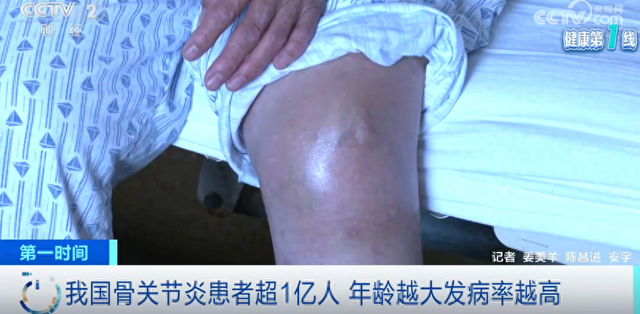
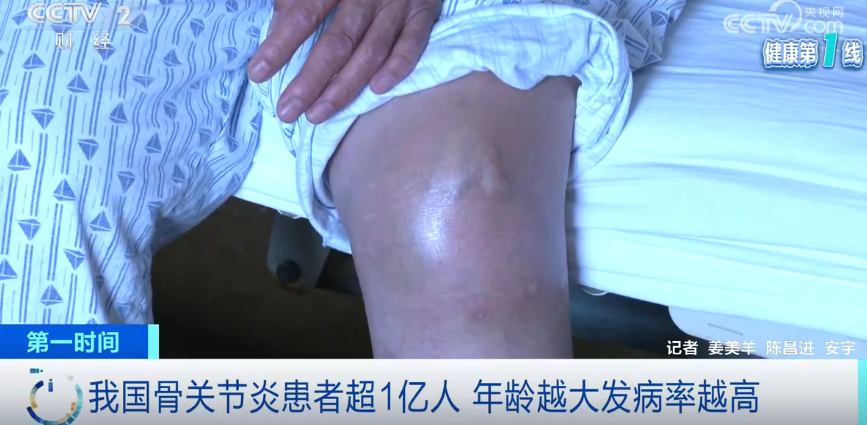
我国骨关节炎患者已超1亿人!头号致残性疾病,医生提醒
Xin Lang Cai Jing· 2026-01-22 23:18
Core Viewpoint - Osteoarthritis is a chronic disease with a prevalence rate of 15% in China, affecting over 100 million people, with an increasing incidence among older populations [1][3]. Group 1: Osteoarthritis Overview - Osteoarthritis is the most common type of arthritis, characterized by joint pain and stiffness due to cartilage damage [3]. - The early symptoms include pain during weight-bearing activities, which can progress to pain even while walking on flat surfaces as the disease advances [5]. - Factors contributing to osteoarthritis include obesity, cartilage damage, joint deformities, and prolonged exposure to cold and damp environments [5]. Group 2: Demographics and Trends - The likelihood of developing osteoarthritis increases with age, and women are 2 to 3 times more likely to be affected than men [5]. - There is a notable trend of younger individuals developing osteoarthritis, attributed to lack of care during physical activities and sports injuries [7]. Group 3: Treatment Options - Treatment methods for osteoarthritis include exercise, physical therapy, medication, and surgery, with joint replacement being a common procedure for weight-bearing joints like the knee and hip [9]. - The cost of joint replacement surgery has decreased significantly, with current self-pay costs potentially being half of what they were previously, around 50,000 to 60,000 yuan [9]. Group 4: Rheumatoid Arthritis - Rheumatoid arthritis, affecting over 5 million people in China, is an autoimmune disease that primarily damages peripheral joints [11]. - If inflammation from rheumatoid arthritis is not controlled, it can lead to complications affecting internal organs, such as lung and kidney issues [11][13]. - Treatment for rheumatoid arthritis often involves immunosuppressants and targeted therapies, which have seen rapid advancements [15]. Group 5: Gouty Arthritis - Gouty arthritis is closely linked to dietary habits, with a higher prevalence in men and a trend towards younger patients [17]. - Factors such as excessive alcohol consumption, high-purine diets, and lack of sleep are significant contributors to the onset of gout [17]. - Prevention strategies include dietary control, adequate hydration, and avoiding triggers like late-night activities and intense exercise [19].
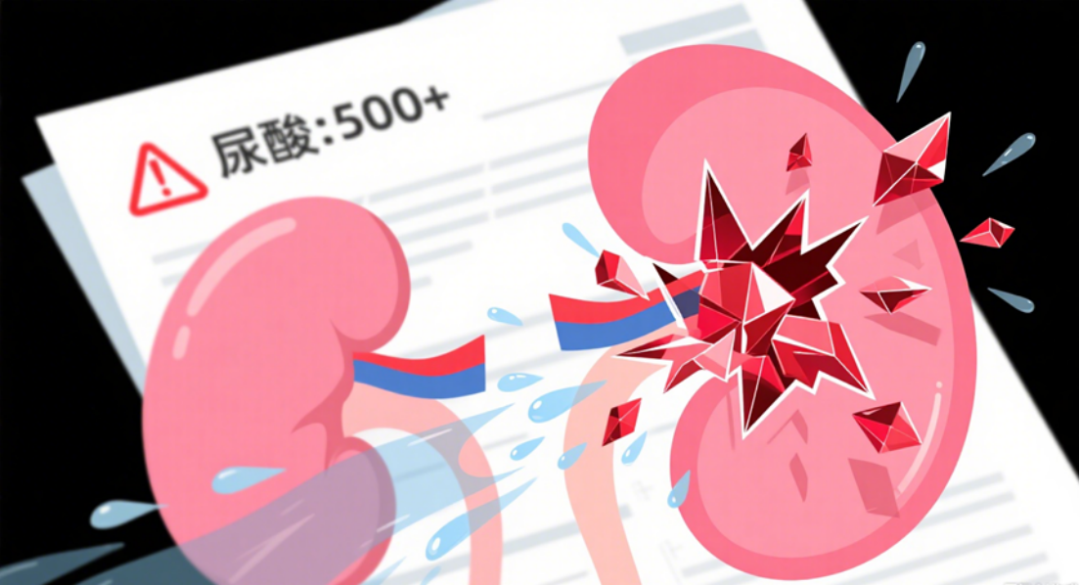
尿酸500+没症状?你的肾脏可能正在被“玻璃渣”祸害!
Yang Shi Xin Wen· 2025-11-16 21:26
Core Insights - High uric acid levels (500+ µmol/L) can lead to serious health issues, even in the absence of symptoms, indicating a "silent disaster" within the body [1][2] - Uric acid crystallization occurs when the concentration exceeds the solubility limit, leading to potential kidney damage and chronic conditions [5][6] Health Implications - Elevated uric acid can cause kidney damage over time, leading to chronic urate nephropathy due to the accumulation of uric acid crystals [5] - Uric acid crystals can also deposit in joints, causing gout attacks triggered by certain dietary choices or physical stress [6] Preventive Measures - Lifestyle management is crucial for controlling high uric acid levels and protecting kidney health [7] - Dietary recommendations include avoiding high-purine foods (red light foods), consuming moderate amounts of certain meats and fish (yellow light foods), and freely eating most vegetables and fruits (green light foods) [7][8] - Sugary drinks, particularly those containing fructose, should be avoided as they significantly raise uric acid levels [10] Exercise and Hydration - Engaging in moderate aerobic exercise is recommended, while avoiding excessive sweating that could trigger gout [11] - Adequate hydration is essential for diluting uric acid and aiding kidney function [12] Medical Guidance - Regular medical check-ups are advised for individuals with high uric acid levels, even if asymptomatic, to monitor kidney function and adjust treatment as necessary [17] - Weight management should be gradual, as rapid weight loss can increase uric acid levels [15]
痛风性关节炎呈年轻化趋势,如何正确预防?医生支招→
Sou Hu Cai Jing· 2025-10-12 09:30
Core Viewpoint - Gouty arthritis is a common disease closely related to dietary habits, with a higher prevalence in males and a trend towards younger patients [1] Group 1: Disease Overview - Gouty arthritis is characterized by high uric acid levels leading to joint inflammation, commonly affecting males and often starting suddenly with severe pain [5][7] - Symptoms typically peak within 12 hours and may resolve within days or weeks, with over 50% of initial cases occurring in the first metatarsophalangeal joint [5] Group 2: Risk Factors - Key risk factors for gout include excessive alcohol consumption, high-purine diets, and lack of sleep, with sugary drinks particularly harmful for children [5] - Chronic conditions such as chronic gouty nephropathy can arise from uric acid deposits in the kidneys, and high uric acid levels may accelerate atherosclerosis, increasing cardiovascular disease risk [7] Group 3: Prevention and Treatment - Prevention strategies include dietary control, limiting seafood intake, ensuring daily water intake exceeds 2000 milliliters, and avoiding triggers like late nights and intense exercise [9] - During acute attacks, treatment focuses on anti-inflammatory and pain relief methods, while recurrent cases may require long-term uric acid-lowering therapy [9]