高度近视

Search documents
高度近视的防护攻略
Xin Lang Cai Jing· 2026-02-25 17:54
Core Viewpoint - The article emphasizes the necessity of annual professional eye examinations for individuals with high myopia to prevent vision loss due to potential retinal complications [1][4][6] Group 1: High Myopia Risks - High myopia is defined as a refractive error of -600 degrees or more, leading to elongated eyeball shape and increased risk of retinal thinning and detachment [2] - The risk of developing retinal detachment is significant, as small damages can lead to severe vision loss [2] - High myopia can also lead to increased intraocular pressure, resulting in open-angle glaucoma, which often goes unnoticed until significant vision loss occurs [2] Group 2: Macular Region Vulnerability - The macular region, crucial for detail and color perception, is under excessive strain in elongated eyeballs, making it a hotspot for retinal diseases [3] - Individuals with high myopia are at a risk of macular degeneration that is several times higher than that of the general population, often going undetected until symptoms manifest [3] Group 3: Importance of Regular Check-ups - Many high myopia patients delay or refuse eye examinations due to misconceptions, risking late-stage diagnosis and treatment [4] - A comprehensive eye examination system, including retinal photography and optical coherence tomography, can detect 99% of potential issues [4] - Early treatment of retinal issues is often straightforward, while late-stage complications require complex surgeries with less favorable outcomes [4][5] Group 4: Expert Commentary - The article serves as an informative piece highlighting the importance of regular eye checks for high myopia patients, aiming to prevent irreversible vision damage due to common misconceptions [6]
女子近视超千度又患上白内障,竟和佩戴隐形眼镜的不良习惯有关
Xin Lang Cai Jing· 2026-01-05 13:31
Core Viewpoint - The article discusses the case of a patient, Ms. Chen, who developed cataracts at an early age due to high myopia and poor contact lens habits, highlighting the increased risk of cataracts in high myopia patients and the importance of proper eye care [1][3][4]. Group 1: Patient Case and Diagnosis - Ms. Chen experienced worsening vision and was diagnosed with cataracts and corneal opacity at Shanghai's Tenth People's Hospital, despite her belief that her vision issues were due to worsening myopia or presbyopia [1][3]. - High myopia patients have a 2-3 times higher risk of developing cataracts compared to those with normal vision, primarily due to changes in the lens shape and metabolic disturbances caused by elongated eye axes [3][4]. Group 2: Surgical Procedure and Challenges - The surgical team, led by Dr. Zou Jun, developed a two-step surgical plan for Ms. Chen, starting with the right eye, which had less corneal opacity, using femtosecond laser-assisted cataract surgery [4][5]. - The surgery involved precise steps to minimize operational errors, successfully implanting an artificial lens, and significantly improving Ms. Chen's vision in the right eye [5]. Group 3: Recommendations and Precautions - Dr. Zou emphasized the need for annual eye examinations for high myopia patients to detect potential issues like cataracts, glaucoma, and retinal diseases early [5]. - Proper care for contact lenses, including regular cleaning and avoiding prolonged wear, is crucial to prevent complications such as corneal damage and inflammation that can trigger cataracts [4][5].

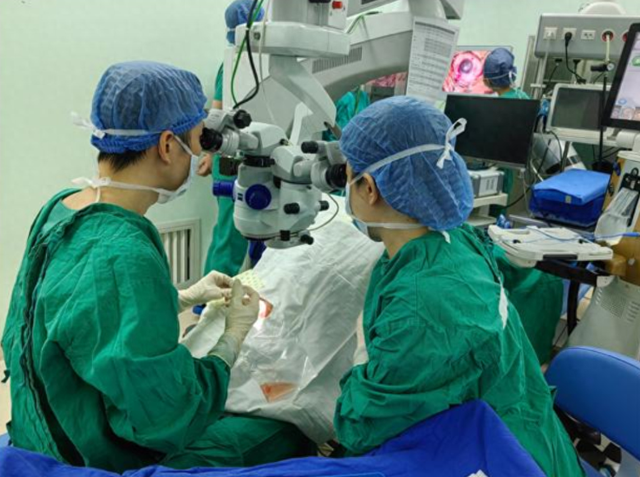
突然眼前“一片黑”!宁波25岁小伙中招后悔惨了:以为只是用眼过度……
Xin Lang Cai Jing· 2026-01-04 05:31
Core Viewpoint - The article highlights the increasing incidence of retinal detachment among young individuals, particularly those with high myopia, emphasizing the importance of regular eye examinations to prevent severe vision loss [1][7]. Group 1: Retinal Detachment in Young Patients - Young patients often exhibit no obvious symptoms in the early stages of retinal detachment, leading to delayed intervention and potentially severe outcomes [1][7]. - A case study of a 25-year-old male with 700 degrees of myopia illustrates how neglecting eye health can result in irreversible vision damage, requiring complex surgical procedures [4][6]. - The article stresses that early detection through routine eye exams can allow for simple laser treatments to prevent the progression to retinal detachment [7][8]. Group 2: Risk Factors and Prevention - High myopia, defined as exceeding 600 degrees, is identified as a significant risk factor for retinal detachment, with the condition being likened to a balloon that stretches and thins the retina [6][7]. - The article provides recommendations for eye care, particularly for high myopia patients, including annual dilated eye exams and immediate consultation if symptoms like sudden vision changes occur [9][10]. - The importance of comprehensive eye examinations is emphasized, as standard vision tests may not detect underlying retinal issues [9].
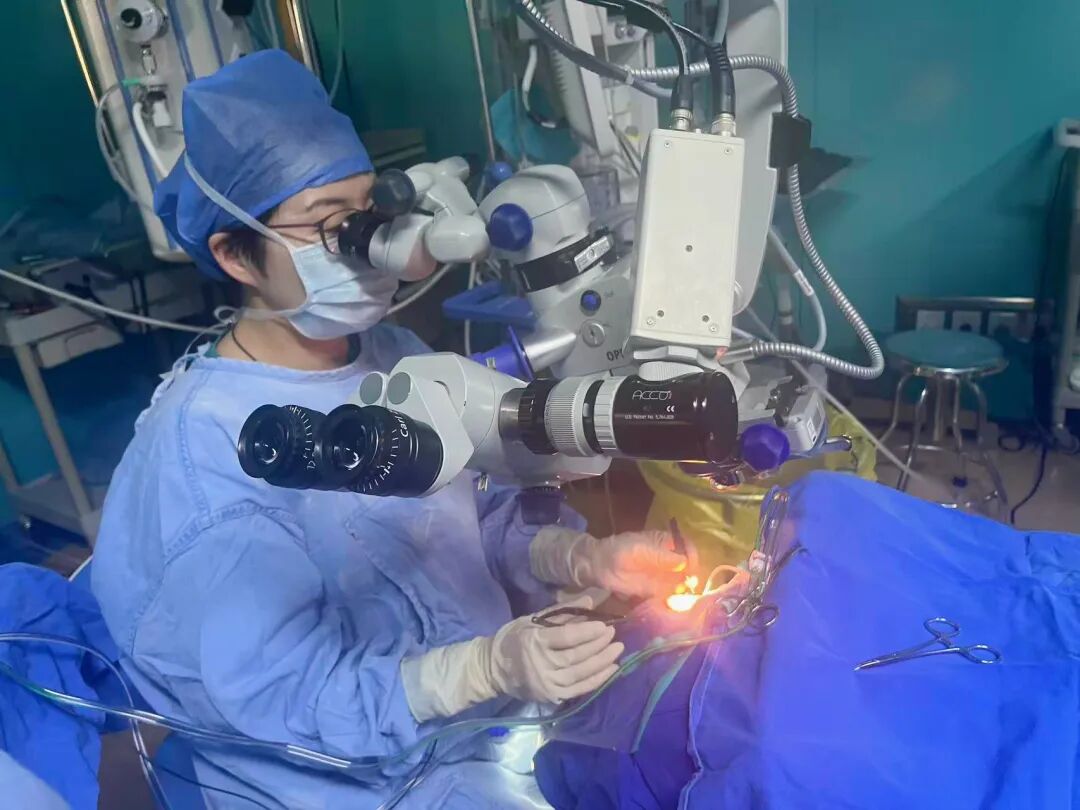
近视50度需要配镜吗?@家长们 孩子近视要了解这些事
Yang Shi Wang· 2025-08-16 01:30
Group 1 - The article defines myopia levels: low myopia is classified as 50 to 300 degrees, with 50 to 100 degrees being the lower range of low myopia [1] - For individuals with a naked eye vision of 0.8 or above, it is suggested to avoid glasses temporarily if daily activities, such as viewing a blackboard, are not affected, but vision should be rechecked every three months [1] - Moderate myopia ranges from 300 to 600 degrees, while high myopia is classified as over 600 degrees [1] Group 2 - Doctors recommend that individuals with moderate to high myopia wear frame glasses throughout the day to prevent eye strain caused by blurred vision, which can lead to excessive eye axis elongation and increased myopia [1]
罗岩:屈光手术助力摘镜,干眼症患者关注科学评估与术后管理
Ren Min Wang· 2025-06-12 02:32
Group 1 - The "2025 National Vision Health Popularization Action" was officially launched in Beijing, focusing on building an eye health ecosystem through multi-party collaboration [1] - Dr. Luo Yan from Peking Union Medical College Hospital emphasized the importance of comprehensive pre-operative assessments and scientific post-operative care for adult myopia correction surgeries [1][3] - The two main types of adult myopia correction surgeries are corneal laser surgery and intraocular lens surgery, with the latter offering a wider correction range and higher safety [3] Group 2 - For patients with high myopia, post-operative eye care is crucial to prevent further deterioration and retinal diseases, with recommendations for regular eye examinations every 3-5 years [3] - Patients with dry eye syndrome should select surgical methods based on the severity of their condition, with mild cases being less impactful on surgery outcomes [3] - Dr. Luo highlighted that patients with moderate to severe dry eye may benefit more from intraocular lens implantation, which has less impact on the cornea and faster vision recovery [3]