
白酒互联网渗透率

Search documents
电商低价促销知名白酒常态化,酒商担忧“没有最低,只有更低”
第一财经· 2025-10-09 09:09
Core Viewpoint - The ongoing price conflict between e-commerce platforms and liquor companies is intensifying, with promotional prices for major liquor brands falling below wholesale prices, putting pressure on offline channels [3][4]. Group 1: Price Dynamics - Major liquor brands are offering significant discounts, with prices for products like Feitian Moutai dropping from a market retail price of approximately 1900 RMB to 1700 RMB, while the wholesale price is around 1780 RMB [3]. - Wuliangye's core product, Pu Wuliang, is being sold at a promotional price of 769 RMB, compared to a wholesale price of 840 RMB [3]. - The trend of lower prices is not limited to top brands; other well-known brands like Shanxi Fenjiu and Jian Nan Chun are also selling below wholesale prices [3]. Group 2: Impact on Distribution Channels - Due to price fluctuations, offline distributors are hesitant to stock up, affecting the sales rhythm of distributors [3]. - Traditionally, liquor prices would rise before major holidays, but this year has seen no increase, with expectations of further price declines post-holiday [3][4]. Group 3: E-commerce Influence - The rise of e-commerce has disrupted the traditional pricing control that liquor companies had, leading to a significant increase in online price competition [4]. - The internet penetration rate for liquor sales has increased from under 10% to around 20% due to recent e-commerce promotions, with projections suggesting it could reach 50% in the next five years [4][5]. Group 4: Future Outlook - The shift towards online sales necessitates changes in the sales model for liquor companies, as e-commerce now offers traceability and lower prices [5]. - Analysts predict that within three years, half of the traditional offline liquor stores may exit the market, prompting liquor companies to rethink their strategies [5].




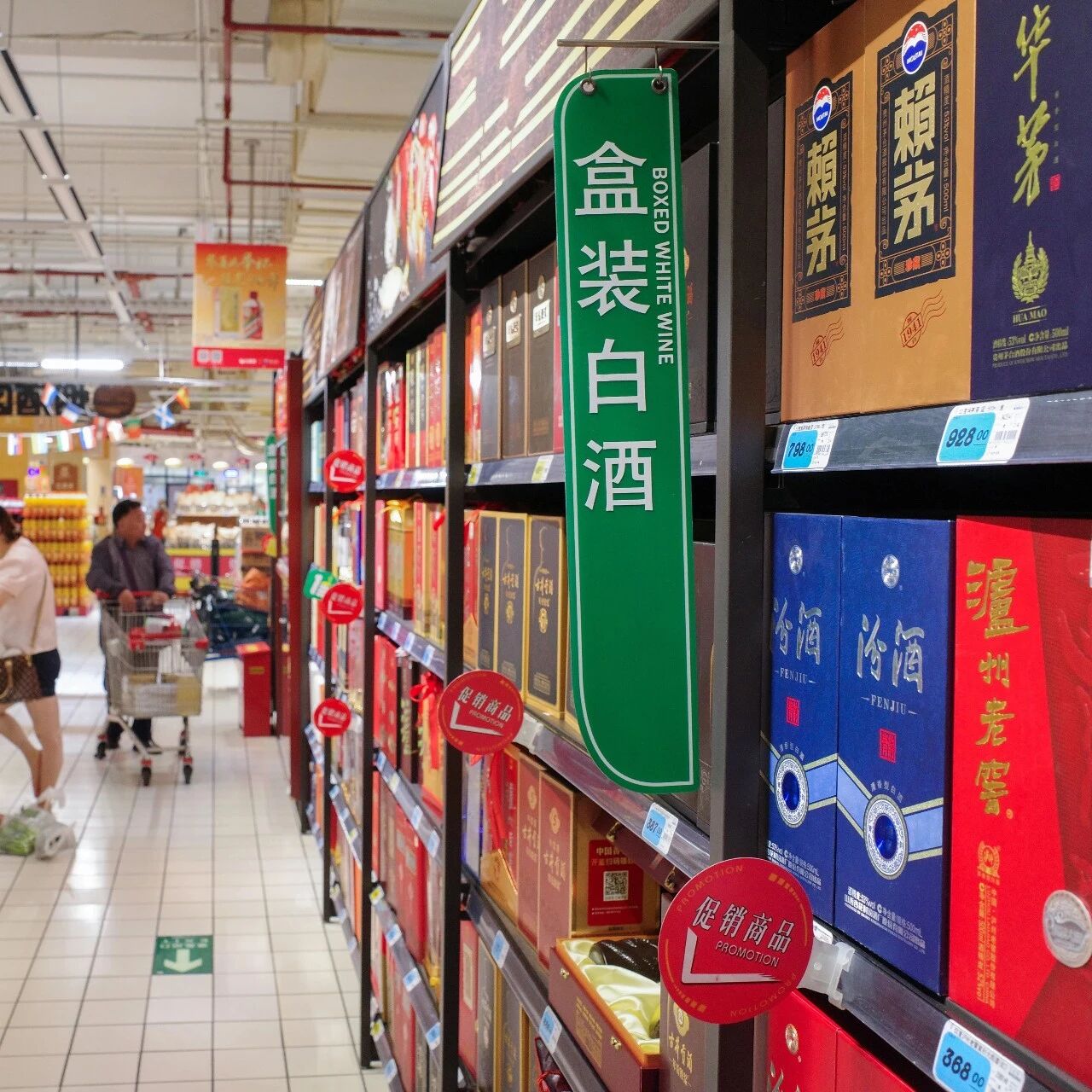
电商低价促销知名白酒常态化 酒商担忧“没有最低,只有更低”
Di Yi Cai Jing· 2025-10-08 02:18
Core Viewpoint - The ongoing price conflict between e-commerce platforms and liquor companies is intensifying, with promotional prices for major liquor brands falling below wholesale prices, putting pressure on offline channels [2][3]. Group 1: Price Dynamics - Major liquor brands are offering significant discounts, with prices for products like Feitian Moutai dropping from a market retail price of approximately 1900 RMB to 1700 RMB, while the wholesale price is around 1780 RMB [2]. - Wuliangye's core product, Pu Wuliang, is being sold at a promotional price of 769 RMB, compared to a wholesale price of 840 RMB [2]. - Other well-known brands, including Shanxi Fenjiu and Jian Nan Chun, are also selling below wholesale prices [2]. Group 2: Impact on Offline Channels - Due to price fluctuations, offline retailers are cautious about stocking inventory, affecting the sales rhythm of distributors [2]. - Traditionally, liquor prices would rise before major holidays, but this year there has been no increase, with expectations of further price declines post-holiday [2]. Group 3: E-commerce Influence - E-commerce platforms are increasingly offering lower prices, leading to a shift in consumer behavior towards online price comparisons, which pressures offline sales [3]. - The normalization of low-price promotions on e-commerce platforms is raising concerns among distributors about future profitability [3]. - The liquor industry is undergoing a deep adjustment phase, with companies struggling to control e-commerce pricing [3]. Group 4: Internet Penetration and Future Trends - The internet penetration rate for liquor sales has increased from under 10% to around 20% due to recent e-commerce promotions, with expectations to reach 50% in the next five years [3]. - The shift towards online sales necessitates changes in the sales model, as e-commerce now offers traceability and lower prices, potentially leading to the exit of many traditional offline liquor retailers [4].
中秋前酒市动销乍暖还寒,新一轮渠道整合正悄然发生
Di Yi Cai Jing· 2025-09-19 01:27
Core Viewpoint - The Chinese liquor market is showing signs of recovery after a difficult second quarter, but overall market conditions remain weak, with a potential industry adjustment lasting 3-5 more years [1][4]. Group 1: Market Conditions - Sales in August and September have shown a month-on-month increase, but many liquor merchants still report a generally weak market [1][2]. - The impact of the off-season from May to July and budget constraints from customers are significant challenges for the market [2][3]. - The performance of liquor circulation companies has declined, with companies like Huazhi Liquor and Jiubianli reporting double-digit decreases in revenue and net profit [2]. Group 2: Industry Dynamics - The traditional "strong manufacturer, weak distributor" model in the liquor industry is shifting due to market adjustments and increased inventory levels [4][5]. - The internet penetration rate in the liquor industry has increased from under 10% to around 20%, with expectations to reach 50% in the next five years [4]. - The emergence of liquor merchant alliances in major liquor-producing provinces aims to enhance bargaining power and reduce costs [5]. Group 3: New Business Models - Jiuxian Group plans to open 10,000 Jiuxian Super Stores in three years, adopting a hard discount model to attract consumers directly [6]. - The new store model contrasts with traditional group purchasing methods, which are becoming less appealing due to high costs and consumer price sensitivity [6]. - The success of the Jiuxian Super Store model will depend on the sustainability of low-price strategies and the sales performance of proprietary products [6].
假日经济|中秋前酒市动销乍暖还寒 新一轮渠道整合正悄然发生
Di Yi Cai Jing· 2025-09-18 11:26
Core Insights - The liquor market in China is showing signs of recovery in August and September after a difficult second quarter, but overall market conditions remain weak [1][2][3] - Many liquor merchants report a slight increase in sales compared to previous months, but profitability is declining due to intense price competition, particularly from online platforms [2][3] - The industry is undergoing a deep adjustment that may last another 3-5 years, with significant changes in market dynamics and consumer behavior [1][4][6] Market Conditions - Sales during the Mid-Autumn Festival are expected to be challenging, with merchants expressing uncertainty about surpassing last year's performance due to budget constraints and the impact of previous "alcohol bans" [2][3] - The traditional gift-giving demand for liquor is being squeezed by the rising popularity of health-related products, leading to a more cautious approach from retailers [2][4] Industry Dynamics - The liquor distribution landscape is shifting, with a notable increase in the bargaining power of distributors as the market adjusts [4][5] - The internet penetration rate in the liquor industry has increased from under 10% to around 20%, with projections suggesting it could reach 50% in the next five years due to aggressive pricing strategies from e-commerce platforms [4][5] Company Strategies - JiuXian Group plans to open 10,000 new "super stores" over the next three years, adopting a hard discount model to attract consumers directly [5][6] - The new store model aims to provide lower prices by leveraging supply chain advantages and targeting lower-tier markets where demand is strong and operational costs are lower [6][7] - The traditional group purchasing model is losing appeal as consumers become more price-sensitive, leading to potential challenges for many distributors and liquor stores [6][7]