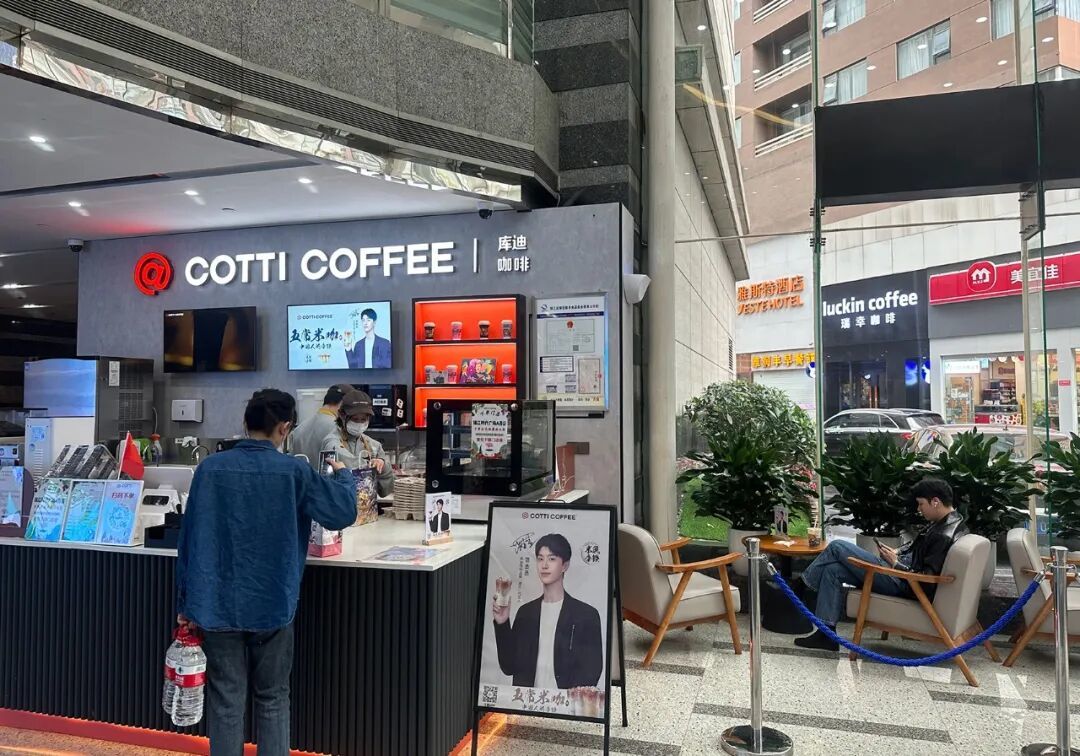
盈利结构调整

Search documents
库迪宣布取消全场9.9元,公司回应:肯德基、麦当劳、瑞幸此前已经涨价
Mei Ri Jing Ji Xin Wen· 2026-01-31 07:08
Group 1 - Kudi Coffee will end its "all products at 9.9 yuan unlimited" promotion on January 31, 2026, with some products continuing at the same price in a special section starting February 1, 2026 [1] - New store promotions will adjust from 6.9 yuan to 8.8 yuan for drink vouchers, and new user rewards will change from 8.8 yuan to 9.9 yuan vouchers [1][3] - Kudi Coffee's brand store count has exceeded 18,000, attributed to the success of the 9.9 yuan promotion launched in February 2023 [3] Group 2 - KFC has adjusted delivery prices for some products, with an average increase of 0.8 yuan, while dine-in prices remain unchanged [3] - McDonald's announced a price increase of 0.5 to 1 yuan for some menu items starting December 15, 2025, to maintain quality and value [4] - Other brands like Nayuki and Luckin Coffee have also raised prices in response to rising costs and reduced subsidies [4][5] Group 3 - The recent price increases in the food and beverage sector are primarily driven by rising upstream costs, particularly for raw materials like fruits and tea [5] - For example, the average wholesale price of lemons reached 14.87 yuan per kilogram in September 2025, nearly double from the previous year [5] - The Consumer Price Index (CPI) rose by 0.8% year-on-year in December 2025, with fresh fruit prices increasing by 4.4% [5] Group 4 - The brands experiencing price increases are primarily fast-food brands that are well-suited for delivery, indicating a direct impact on profits from delivery channel growth [6] - Adjusting profit structures has become crucial for these companies, especially as subsidies decrease and prices need to return to sustainable levels for healthy operations [6]

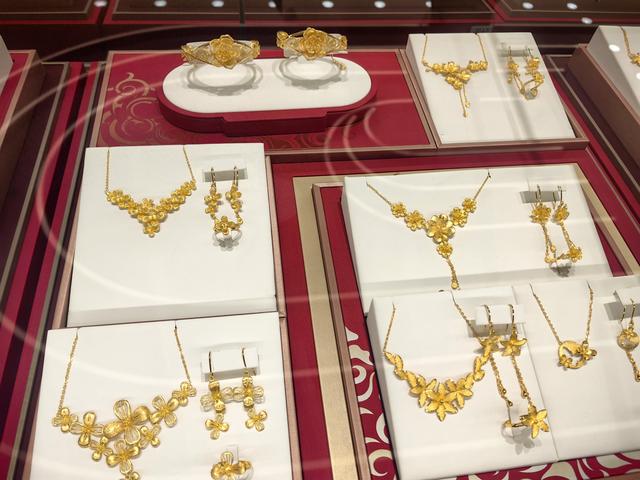
黄金税改引爆市场,大众购金成本普涨
Huan Qiu Wang· 2025-12-19 10:24
Core Viewpoint - The Chinese gold market is undergoing a significant restructuring, driven by a new tax policy that is shifting the focus from price competition to value and brand competition [1][3]. Group 1: Price Adjustments - Leading brands like Chow Tai Fook have announced price increases, with some gold jewelry seeing price hikes of up to 15% [1][3]. - The price increase is not merely a cost pass-through but a strategic adjustment aimed at optimizing product structure and enhancing profit margins [3]. Group 2: Market Changes - The Shenzhen Shui Bei market has ceased to offer "investment gold prices," now displaying higher "jewelry gold prices" that reflect tax-inclusive rates, with increases of approximately 11% to 13% compared to previous investment prices [3][4]. - The new tax policy, effective from November 1, categorizes gold into investment and non-investment types, leading to significant tax adjustments for non-investment jewelry [4]. Group 3: Strategic Shifts - The Shui Bei market is transitioning from a price competition model to a value competition model, with businesses increasing R&D investments to enhance product design and craftsmanship [4]. - Innovative business models such as "old for new" and "processing services" are emerging as new growth points, allowing merchants to navigate tax impacts while leveraging existing gold inventory [4]. - Diversification is becoming a trend, with many small and medium-sized businesses introducing non-gold products like silver, diamonds, and jade to meet diverse consumer demands and mitigate risks [4].