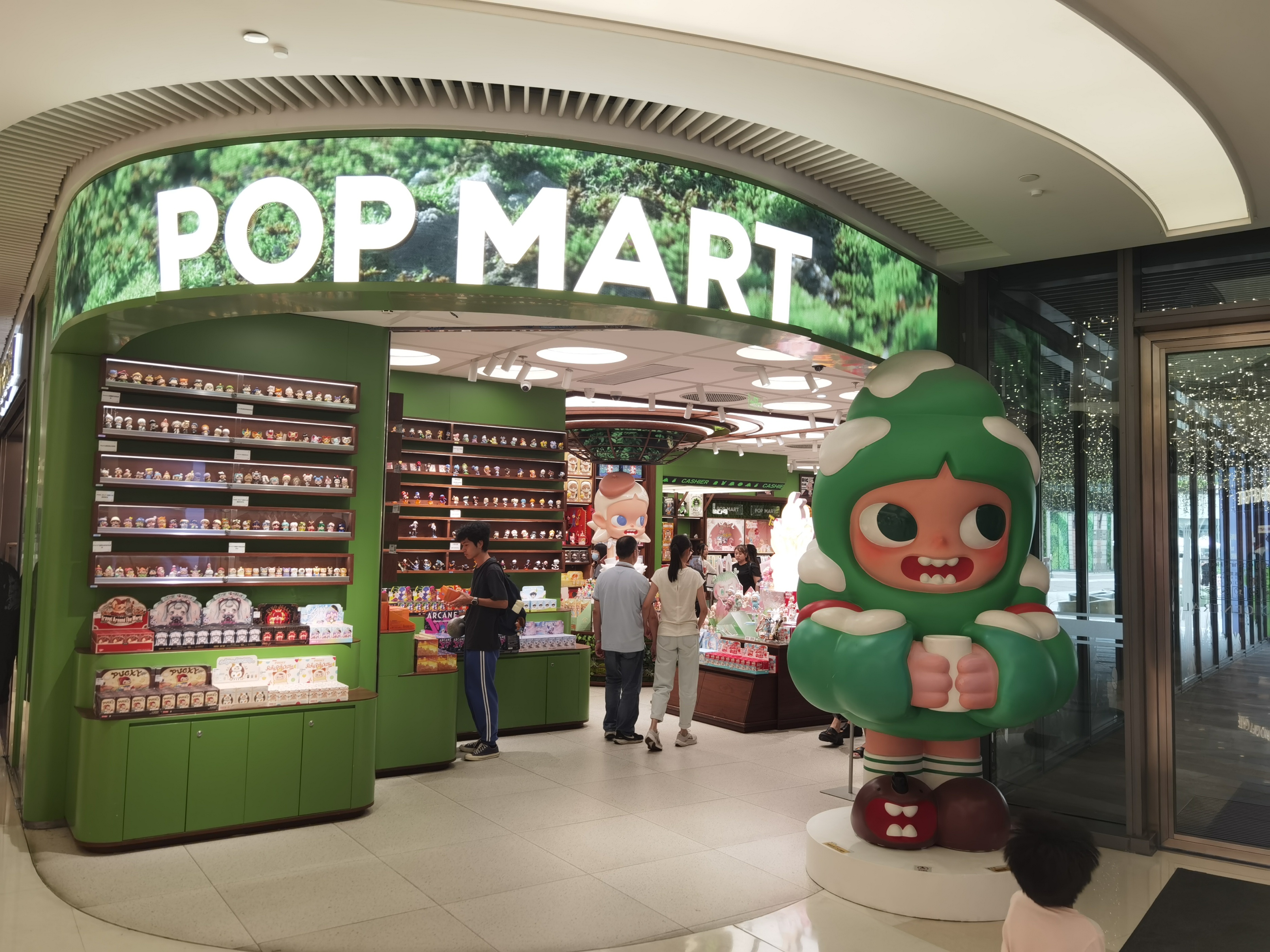
盲盒+IP模式

Search documents
分析| 108万元LABUBU背后:泡泡玛特的破圈密码
3 6 Ke· 2025-06-16 02:45
Core Viewpoint - The article discusses the remarkable rise of Pop Mart, particularly focusing on the success of its LABUBU character, which has significantly boosted the company's market value and brand recognition in the collectible toy industry [3][6][9]. Company Overview - Pop Mart was founded in 2010, initially starting as a trendy goods store in Beijing, and has since transformed into a billion-dollar IP empire [6][9]. - The company has successfully developed a diverse IP matrix, including popular characters like Molly and LABUBU, which have contributed to its financial success [6][7]. LABUBU's Popularity - LABUBU, a character created by Hong Kong illustrator Long Jia Sheng, has gained immense popularity due to its unique design and "ugly-cute" appeal, leading to high resale prices on platforms like Dewu [3][4]. - The character's rise to fame has been amplified by endorsements from global celebrities such as BLACKPINK's Lisa and Rihanna, which has increased its visibility and desirability [5][6]. Business Model - Pop Mart's innovative "IP + blind box" model has been a key driver of its success, leveraging consumer curiosity and the thrill of surprise to encourage repeat purchases [8]. - The company has cultivated a vibrant community around its products, where consumers engage in sharing experiences and trading collectibles, enhancing brand loyalty [8]. Financial Performance - In 2024, Pop Mart's revenue reached 13.04 billion yuan, marking a 106.9% year-on-year growth, with net profit increasing by 185.9% to 3.4 billion yuan [9][10]. - The company's self-owned IP revenue accounted for 85.3% of total income, with LABUBU's series generating 3.04 billion yuan, reflecting a staggering 726.6% growth [7][9]. Market Dynamics - The collectible toy industry in China is projected to grow from approximately 60 billion yuan in 2023 to 110.1 billion yuan by 2026, indicating a robust annual growth rate of over 20% [9][10]. - Despite its success, Pop Mart faces increasing competition from new entrants in the market, which poses risks to its market share and customer retention [9][10].