直播电商去中心化

Search documents
辛选降薪、裁员、转型!月薪1万元以上降薪3%至20%?员工:工资低的降得少
Mei Ri Jing Ji Xin Wen· 2025-12-19 06:51
Core Viewpoint - The company is undergoing significant changes following the departure of its founder, Xin Ba, with salary cuts and restructuring being implemented as it transitions to a more market-oriented model in the live-streaming e-commerce industry [1][5][6]. Group 1: Company Changes - Xin Ba announced his exit from company management in August 2023, transferring control to his wife, Chu Ruixue, who is now the chairman of Xin Xuan Group [2][3]. - Following Xin Ba's departure, there have been reports of salary reductions for employees earning over 10,000 yuan, with cuts ranging from 3% to 20% [1][3]. - The company has initiated a restructuring process, moving from a signing system for streamers to a partnership model, and diversifying resources away from top-tier streamers [3][5]. Group 2: Industry Context - The live-streaming e-commerce sector is entering a phase of compliance, with a shift from a focus on individual influencers to a more regulated and diversified approach [5][7]. - The industry is experiencing a decline in growth, with major influencers like Xin Ba reducing their activity and signaling a potential exit from the market [5][6]. - The rise of mid-tier streamers and a decentralized flow of traffic are changing the competitive landscape, necessitating adjustments in resource allocation and management within companies like Xin Xuan [7]. Group 3: Performance Metrics - Xin Ba and his team achieved a GMV of 50 billion yuan in 2022, with similar performance expected in 2023, indicating a strong market presence prior to the recent changes [5][6]. - The first independent live stream by a former top streamer, Dan Dan, after leaving Xin Xuan, reportedly generated significant sales, showcasing the potential for success outside the original company structure [4].
辛选降薪、裁员、转型!月薪1万元以上降薪3%至20%?员工:工资低的降得少!初瑞雪称主播将从签约制变合伙制
Mei Ri Jing Ji Xin Wen· 2025-12-19 05:47
Core Viewpoint - The company XinXuan is undergoing significant changes following the departure of its founder XinBa, with reports of salary cuts and layoffs affecting employees, particularly those earning over 10,000 yuan per month, as the company transitions under the leadership of XinBa's wife, Chu Ruixue [1][4][3]. Group 1: Company Changes - XinBa announced his exit from company management in August 2023, citing personal health and the need for a balance in the company's long-term development [3]. - Following XinBa's departure, there have been reports of salary reductions ranging from 3% to 20% for employees earning over 10,000 yuan per month, with the option for dissatisfied employees to leave with compensation [1][4]. - The company is also undergoing a restructuring process, shifting from a signing system for hosts to a partnership model, and diversifying its focus from top-tier hosts to a broader range of streamers [4][10]. Group 2: Industry Context - The live-streaming e-commerce industry is transitioning towards a more regulated environment, moving away from the previously dominant family-style and mentor-mentee management structures [2][9]. - The industry is experiencing a decline in growth as the initial traffic bonuses fade, leading to a normalization of performance and a need for adaptation among live-streaming institutions [7][11]. - The competitive landscape is shifting, with a rise in mid-tier hosts and a decrease in the monopolistic influence of super top-tier hosts, necessitating a more balanced resource allocation within companies [10][12].

辛巴第五次宣布永久退网 健康危机与行业转型引关注
Cai Jing Wang· 2025-08-22 06:40
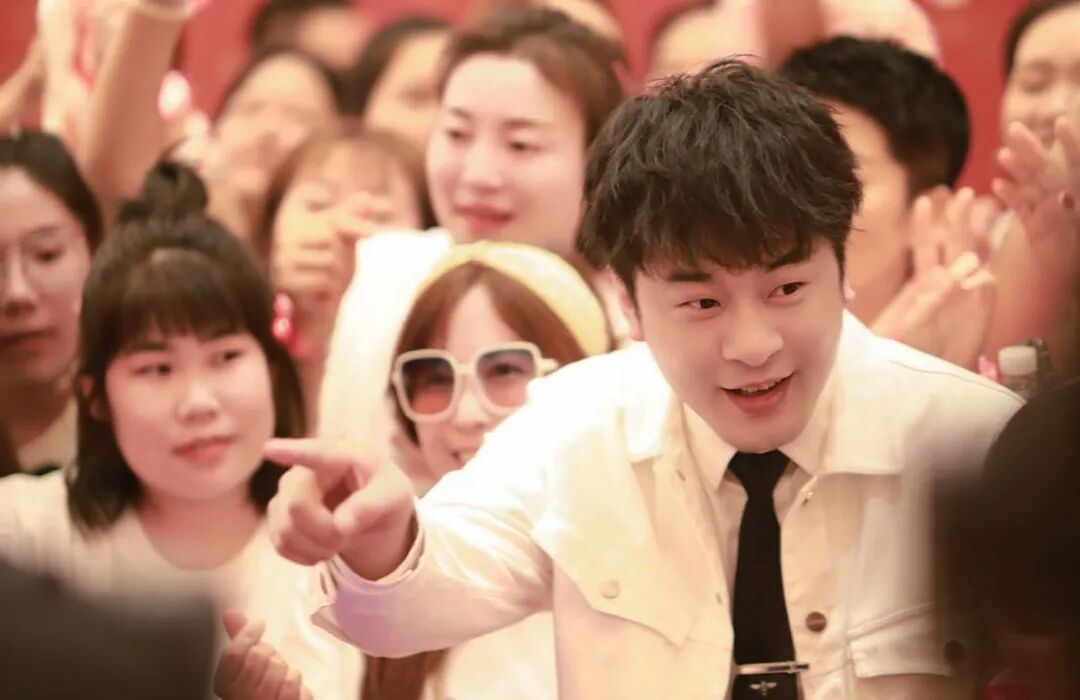
Core Viewpoint - Kuaishou's top streamer Xinba announced his permanent exit from the live streaming industry due to severe lung health issues, coinciding with his brand "Mian Mima" facing a health controversy, highlighting the uncontrollable risks and decentralization trends in the live streaming sector [1][4]. Group 1: Xinba's Exit Announcement - Xinba, a controversial figure in China's e-commerce, created the "818" shopping festival, which generated over 2.7 billion yuan in sales last year [2]. - This year, during the "818" live stream, Xinba did not promote any products and instead shared his emotional farewell, contrasting sharply with previous years' promotional efforts [2]. - This marks Xinba's first transfer of management rights to his wife, signaling a potential genuine exit from the industry [3]. Group 2: Health Concerns - Xinba revealed that his lung health has severely deteriorated, with doctors warning that his lung condition resembles that of a 95-year-old, indicating a serious health crisis [3]. - The incident raises alarms about the sustainability of the high-pressure work environment for live streamers, prompting a need for industry-wide reflection on health management practices [3]. Group 3: Brand Controversy - Xinba's brand "Mian Mima" is embroiled in a health scandal involving high levels of a carcinogenic substance in its sanitary products, leading to consumer complaints [4]. - The brand has responded by asserting compliance with national standards and emphasizing product safety, while industry experts have defended its reliability [4]. Group 4: Industry Implications - Xinba's exit could lead to a short-term decline in Kuaishou's GMV, as he previously accounted for 30-40% of the platform's live commerce sales [5]. - Kuaishou is adapting its strategy by supporting mid-tier streamers and launching initiatives to enhance their visibility and sales performance [6]. Group 5: Decentralization Trends - The live streaming industry is experiencing a shift towards decentralization, with a growing number of controversies surrounding top influencers, prompting platforms to reduce reliance on them [7]. - Future trends in the industry are expected to focus on decentralization, brand quality, and technology-driven content, moving away from the heavy reliance on star streamers [8][9].

静悄悄的618,李佳琦们为何集体“隐身”?
商业洞察· 2025-06-18 09:18
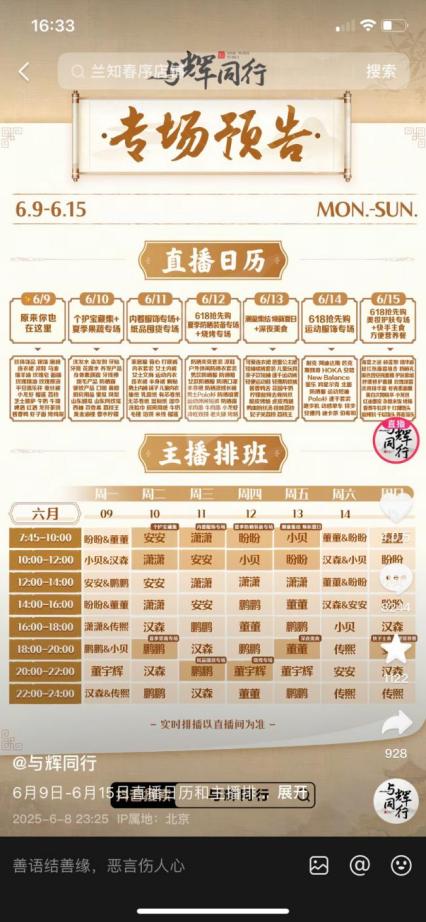
Core Viewpoint - The 618 shopping festival this year has seen a significant decline in excitement and participation, with major live-streaming hosts becoming less active and shifting their focus away from traditional sales methods [2][3][20]. Group 1: Changes in Live-Streaming Hosts - Major live-streaming hosts, such as Li Jiaqi and Dong Yuhui, are reducing their appearances and focusing on building teams rather than relying solely on personal brands [3][5][12]. - Li Jiaqi has created multiple accounts to diversify his sales approach, targeting different demographics, including a new account aimed at middle-aged consumers [11][9]. - Dong Yuhui's team has successfully generated significant sales even in his absence, indicating a shift towards a more decentralized model of live-streaming sales [12][13]. Group 2: Industry Dynamics - The decline in the prominence of top hosts is a response to the risks associated with relying heavily on individual influencers, as seen in past controversies [15][16]. - Platforms are now promoting mid-tier hosts and diversifying traffic sources to mitigate risks, with data showing that the contribution of top influencers to sales has decreased significantly [15][17]. - Brands are increasingly opting for self-operated live-streaming channels to reduce dependency on top hosts, as the costs associated with hiring them can erode profit margins [17][18]. Group 3: Consumer Behavior and Regulatory Environment - Consumers are becoming more discerning, moving away from blindly following top hosts to seeking expertise and authenticity in product recommendations [18][19]. - The industry is facing stricter regulations, which has led to a more cautious approach from top hosts, contributing to the overall decline in sales growth [19][20]. - The total sales during the 2024 618 festival saw a 7% decline year-on-year, marking the first negative growth in 16 years, highlighting the challenges faced by the industry [20][23]. Group 4: Future Trends - The future of live-streaming sales may see a rise in niche influencers who specialize in specific categories, as consumers seek more knowledgeable and trustworthy recommendations [25][26]. - Technological advancements are expected to reshape the live-streaming landscape, enhancing efficiency and potentially reducing the reliance on human hosts [26][27]. - The core competitive advantage for future influencers will likely shift from personal charisma to supply chain management and product quality, emphasizing the importance of backend capabilities [27][28].

静悄悄的618,李佳琦们为何集体“隐身”?
创业邦· 2025-06-16 03:29
Core Viewpoint - The collective low profile of top live-streaming hosts reflects a significant shift in the e-commerce landscape, moving from a reliance on individual influencers to a more decentralized approach that emphasizes team systems and professional expertise [5][19][30]. Group 1: Changes in Live-streaming Hosts - This year's 618 shopping festival has seen a noticeable decline in the activity of top live-streaming hosts, with many reducing their appearances and focusing on team-based strategies [4][6][12]. - Influencers like Li Jiaqi and Dong Yuhui are adopting a more low-key approach, with Li Jiaqi participating less frequently and Dong Yuhui's team achieving significant sales without his constant presence [7][16]. - The trend indicates a shift from a reliance on individual star power to a more sustainable model where teams can operate independently, reducing the risk associated with over-dependence on a single host [17][28]. Group 2: E-commerce Platform Strategies - E-commerce platforms are moving towards decentralization, supporting mid-tier hosts to mitigate risks associated with top influencers, as seen in the decline of GMV contributions from top hosts [19][20]. - Platforms like Douyin and Taobao are implementing policies to promote mid-tier influencers, with Douyin's top hosts now contributing only 9% of total GMV [20][22]. - Brands are increasingly opting for self-operated live-streaming channels to reduce reliance on top hosts, as the costs associated with top influencers can significantly erode profit margins [21][22]. Group 3: Consumer Behavior and Market Dynamics - Consumers are becoming more discerning, moving away from blindly following top influencers to seeking professional content and genuine endorsements [22][23]. - The e-commerce industry is experiencing a slowdown, with a reported 7% decline in total sales during this year's 618 festival, marking the first negative growth in 16 years [24][27]. - Regulatory pressures and a more cautious consumer base are contributing to the shift in dynamics, as the industry moves towards greater compliance and transparency [23][24]. Group 4: Future Trends in Live-streaming E-commerce - The future of live-streaming hosts will likely focus on niche markets, with specialized influencers gaining traction as consumers seek expertise over generalist approaches [30][31]. - Technological advancements are expected to reshape the live-streaming landscape, enhancing efficiency and enabling new formats such as AI-driven hosts [31][32]. - The competitive edge for future influencers will hinge on their ability to manage supply chains effectively, as the focus shifts from mere promotion to comprehensive control over product quality and pricing [33][34].

静悄悄的618,李佳琦们为何集体“隐身”?
3 6 Ke· 2025-06-15 23:57
Core Insights - The 618 shopping festival has been significantly quieter this year, with major e-commerce platforms showing less promotional enthusiasm and consumer interest declining [1][8] - Top livestreaming hosts are becoming less prominent, with figures like Li Jiaqi and Luo Yonghao reducing their appearances and focusing on other ventures [1][4][5] - The shift towards decentralization in e-commerce is evident, as platforms and brands seek to reduce reliance on top influencers and cultivate a broader range of hosts [9][11] Group 1: Changes in Livestreaming Hosts - Li Jiaqi, once a leading figure, has decreased his presence significantly during the 618 festival, focusing only on key sales days [1][8] - Dong Yuhui, now a prominent figure on Douyin, achieved a record sales figure of 176 million yuan in a single session but maintains a low-key approach with limited appearances [2][8] - Luo Yonghao has transitioned to a smaller platform, Baidu, where his sales figures are considerably lower compared to previous performances on larger platforms [4][8] Group 2: Industry Trends and Shifts - The trend of top influencers stepping back is a response to the need for platforms to decentralize risk, as reliance on a few key figures can lead to significant losses if they fail [9][10] - Brands are increasingly opting for self-operated livestreams and developing their own hosts to reduce dependency on top influencers, as evidenced by the rising GMV from brand-operated streams [13][14] - The overall sales during the 618 festival have seen a decline, with a 7% drop in total sales compared to previous years, marking the first negative growth in 16 years [16][18] Group 3: Future Directions in E-commerce - The future of livestreaming may see a rise in niche influencers who focus on specific categories, as consumers shift their preferences towards expertise and trust [20][21] - Technological advancements are expected to reshape the livestreaming landscape, enhancing efficiency and potentially introducing virtual hosts [21][22] - The competitive edge for future influencers will likely hinge on their ability to manage supply chains effectively, moving from a commission-based model to one that emphasizes control over product quality and pricing [22][23]