真

Search documents
一出方言话剧的导演自述
Xin Lang Cai Jing· 2026-02-22 06:37
Core Perspective - The production aims to create a unique theatrical style that combines cinematic fluidity with stage expressiveness, anchored in the fundamental concept of "truth" [1] Group 1: Story and Themes - The original script was adapted from the detective novel "The Maltese Falcon," but was transformed to resonate with contemporary Chinese audiences by setting it in the context of the Yuanmingyuan's horse head, making it relevant to the current year of the horse [1] - The narrative is set in 1930s Shanghai, a period rich in conflict and diverse characters, which serves as a backdrop for themes of modernity, desire, power, and transaction [1] - The story revolves around the journey of a "fake horse head," symbolizing the intersection of material civilization and the emergence of lies, greed, and desire, ultimately questioning moral boundaries [2] Group 2: Artistic Direction - The production is characterized as a "comedic style suspense drama," where the absurdity of the plot stems from the characters' intense desires surrounding a false object, reflecting the complexities of human nature [2] - The visual and auditory style is rooted in the Art Deco aesthetic of 1930s Shanghai, capturing the historical essence of the city while creating a dreamlike atmosphere suitable for suspense [3] - The music incorporates jazz and old Shanghai tunes, emphasizing rhythmic percussion to maintain a tight narrative pace throughout the performance [3] Group 3: Performance Philosophy - The foundation of the performance is the concept of "truth," where every action on stage must stem from genuine motivations, ensuring that characters are believable and relatable [4] - Actors are encouraged to discover and embody their roles authentically, allowing for a natural growth of character that resonates with the audience [4] - The performance style aims for a cinematic narrative flow, requiring actors to transition seamlessly between scenes, thus enhancing the overall emotional impact of the production [3][4]
当年轻人跨城追舞剧,他们在追什么
Xin Lang Cai Jing· 2026-01-11 15:08
Core Insights - The report from the China Performance Industry Association highlights a significant trend where young people are increasingly traveling across cities to attend large-scale performances, with an average cross-city attendance rate of 60% among this demographic, particularly those under 25 years old [1][3]. Group 1: Audience Engagement - Young audiences are not merely seeking beauty in performances but are looking for genuine emotional experiences that allow them to slow down and reflect [3][5]. - The performances, such as "Dream of the Red Chamber" and "The Peony Pavilion," resonate with young viewers by reflecting their personal growth and emotional complexities, allowing them to see themselves in the characters [5][6]. Group 2: Social Dynamics - Attending performances has evolved into a social activity, where young people engage in ticket-buying strategies, travel arrangements, and post-show discussions, fostering a sense of community among attendees [6][8]. - The concept of "ticket root economy" emphasizes that the experience surrounding the performance—such as dining and exploring the city—adds value to the event, making it a more meaningful experience [8]. Group 3: Emotional Connection - The art of dance provides a unique way for young audiences to connect with their emotions, as the subtleties of movement convey feelings that are often lost in fast-paced modern communication [3][5]. - The act of attending performances allows young people to explore deeper emotional connections and develop a more nuanced understanding of their desires and identities [5][6].

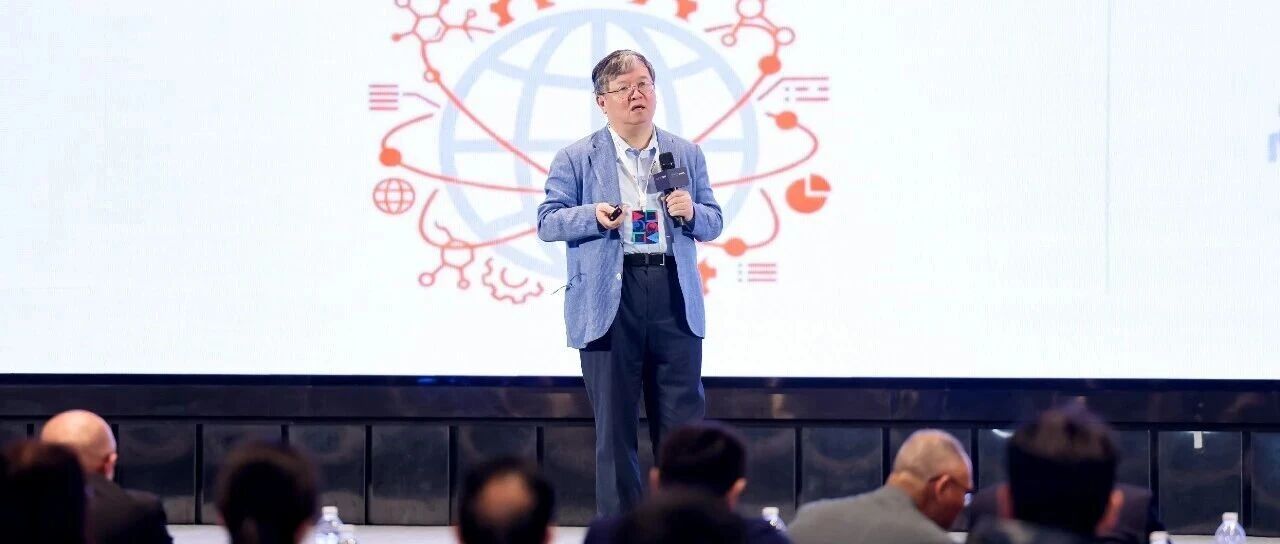
郭毅可院士:AI带来「知识通胀」,击碎了传统教育的「前提假设」丨GAIR 2025
雷峰网· 2025-12-17 00:38
Core Viewpoints - The GAIR Global AI and Robotics Conference emphasizes the transformative impact of large language models on traditional education, suggesting a paradigm shift in how knowledge is perceived and taught [2][5][8]. Group 1: Impact of AI on Education - The traditional assumption of knowledge scarcity in education is challenged by the advent of large language models, leading to a phenomenon termed "knowledge inflation" [5][11][12]. - AI's ability to model objective realities is surpassing human capabilities, presenting a new challenge for education [21][22]. - The focus of education should shift from knowledge transmission to fostering skills such as curiosity, critical thinking, and the ability to discern the truth of information provided by AI [6][30][33]. Group 2: Future Educational Paradigms - Education should evolve from standardized methods to personalized learning experiences, recognizing that each student has unique ways of acquiring and applying knowledge [33][36]. - The role of educators is transitioning from information providers to facilitators of collaborative learning, where students engage with AI and each other [36][37]. - The future of education must prioritize the development of values, self-reflection, and judgment skills, rather than mere knowledge acquisition [7][9][49]. Group 3: AI as a Tool for Learning - AI is not merely a tool but a revolutionary force that can enhance human intelligence, creating a positive feedback loop where smarter humans develop smarter AI [10][62]. - The integration of AI into educational practices necessitates a reevaluation of assessment methods to ensure they align with the capabilities of AI [61][62]. - The potential dangers of AI, such as the lack of moral judgment, highlight the need for education to instill ethical reasoning and aesthetic appreciation in students [7][55].