真实世界研究

Search documents
三星手表接入研究平台:消费电子正在成为医疗数据入口
思宇MedTech· 2026-03-16 06:38
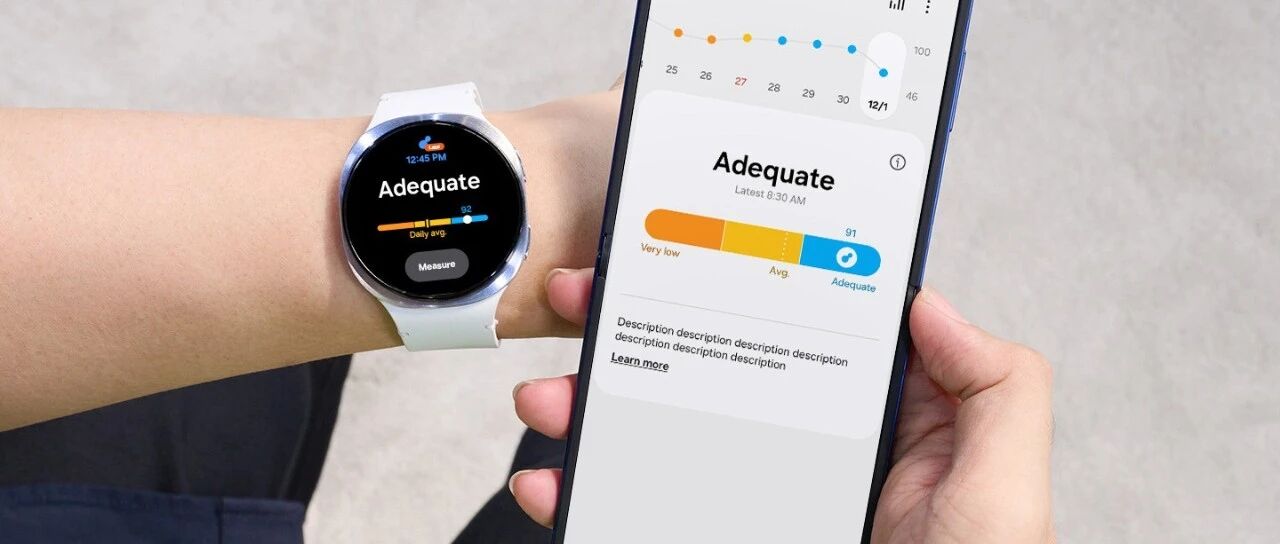
Core Insights - The collaboration between Verily Life Sciences and Samsung Electronics America aims to integrate sensor data from Samsung Galaxy Watch 8 into Verily's precision health research platform, Pre, to support real-world research and clinical trial data collection [2][4] - This partnership highlights the growing trend of consumer-grade wearable devices becoming significant data sources for clinical research [2] Group 1: Collaboration Details - Verily Life Sciences, a subsidiary of Alphabet focused on life sciences and digital health, is integrating data from Samsung's wearable devices into its research platform [4] - The integration allows research institutions to consolidate data from various sources, enabling long-term health studies, such as analyzing the relationship between sleep, activity levels, and health outcomes [5] Group 2: Wearable Devices in Clinical Research - Historically, wearable devices were primarily used for consumer health management, but advancements in sensor capabilities have increased their medical value [7][9] - Wearable devices can continuously collect health data, expand the scale of research populations, and reduce research costs by minimizing the need for in-person visits [9][10] Group 3: Technology Companies in Medical Data Platforms - The collaboration reflects the entry of technology companies into the medical data platform space, with Samsung providing a large user base and Verily offering research capabilities [12] - The model of combining consumer devices for data sourcing with medical platforms for research capabilities is becoming more prevalent in the industry [14] Group 4: Implications for the Medical Device Industry - The partnership in digital health has implications for the medical device industry, emphasizing the rising importance of real-world data in drug and device development [15][16] - Data collected from wearable devices may play a larger role in regulatory approvals and efficacy assessments in the future [16]

警惕!2026年上海议价红线,或将调整至省级挂网最低价
Xin Lang Cai Jing· 2026-02-03 12:52
Core Viewpoint - The article discusses the governance of medical consumables pricing in Shanghai, outlining the tasks set by the National Medical Insurance Administration (NMI) for 2026, focusing on price monitoring, collaborative pricing, and the establishment of a pricing overview for medical consumables [1][2][5]. Group 1: Price Monitoring and Governance - The NMI will conduct a retrospective review of the prices established through previous national medical consumables procurement and will monitor compliance across provinces [1][2]. - Each province is required to self-examine the execution of the procurement results and the corresponding online pricing of medical consumables [1][2]. Group 2: Collaborative Pricing - The NMI emphasizes the need for price coordination among provinces, particularly for those not part of procurement alliances, to address unreasonable price discrepancies [2][11]. - Currently, over thirty procurement initiatives have been launched across provinces, but Shanghai has only implemented a few, indicating a significant workload ahead for 2026 [2][11]. Group 3: Pricing Overview and Tasks - The NMI aims to complete a pricing overview for orthopedic consumables by the end of March [3][12]. - There is a requirement to finalize a comprehensive pricing overview for all medical consumables throughout the year, which is considered a challenging task [5][14]. Group 4: High-Value Consumables Risk Management - The NMI plans to implement concentrated risk management for high-value consumables, with an expectation of six batches of governance actions [6][15]. - This initiative will focus on consumables with significant sales amounts, large regional price differences, and multiple distribution channels [6][15]. Group 5: Alignment with National Directories - Shanghai will align its existing four-level directory with the national three-level directory [7][16]. - Payment policies for new directory items will be clearly marked, indicating potential payment adjustments of 10% or 20% [7][17]. Group 6: Pricing Negotiation Rules - The NMI will enhance the rules for online pricing negotiations and improve the online pricing methods, potentially adjusting the negotiation baseline to the provincial minimum price [7][17]. Group 7: Real-World Research - The NMI has initiated a focus on real-world research, which is considered foundational for pricing strategies [8][18]. - Real-world research involves analyzing data collected from real clinical environments to assess the value and potential risks of medical products and policies [9][18].
生物医药下一个风口在哪?跨国药企湾区论道
Sou Hu Cai Jing· 2026-01-29 15:43
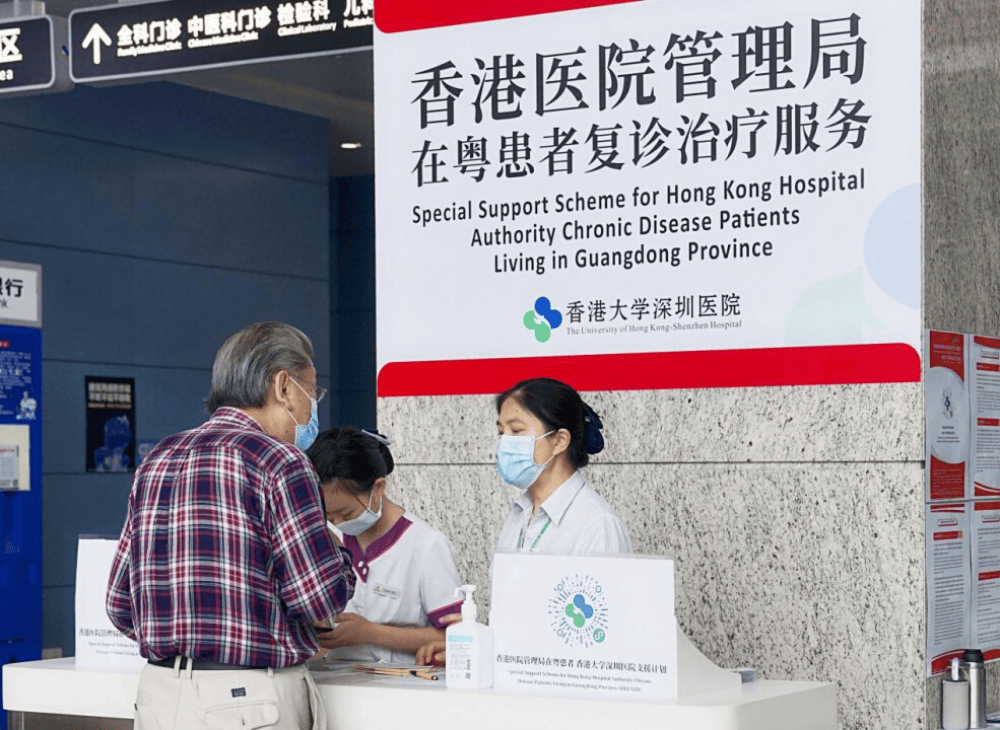
Core Insights - The gathering of over 40 executives from 15 multinational pharmaceutical companies in the Greater Bay Area (GBA) highlights the region's growing importance in the biopharmaceutical industry [1][3] - The event serves as a platform for dialogue between government and industry leaders to explore the GBA's advantages and future potential in biopharmaceutical development [1][3] Group 1: Investment and Development - Multinational pharmaceutical companies are increasingly establishing production bases and regional headquarters in the GBA, signaling strong confidence in the region's biopharmaceutical industry [3][4] - The GBA has been recognized for its favorable business environment, with Guangdong province leading in foreign investment and being rated as having the best business environment in China [4][6] Group 2: Market Potential and Resources - Guangdong's healthcare market is vast, with a basic medical insurance enrollment of 112 million people by the end of 2024, and it leads the nation in the scale of pharmaceutical circulation and the number of top-tier hospitals [4][9] - The integration of the Guangdong-Hong Kong-Macao markets is unlocking significant potential in the biopharmaceutical sector, with a focus on translating advantages into patient benefits [6][12] Group 3: Regulatory and Collaborative Framework - The "Hong Kong-Macao Drug and Medical Device Access" initiative has facilitated the approval of 149 drug and medical device varieties, enhancing patient access to innovative treatments [7][8] - The establishment of a provincial commercial health insurance platform aims to alleviate patient financial burdens, further promoting the use of innovative drugs [8][9] Group 4: Innovation and Research - The GBA is becoming a key innovation hub, with one-third of global biopharmaceutical research pipelines originating from China, and many multinational companies are shifting early-stage research to the region [9][11] - The region has seen a significant increase in the approval of innovative drugs and medical devices, with a 667% increase in first-class innovative drugs approved during the 14th Five-Year Plan compared to the previous period [9][10] Group 5: Future Directions and Challenges - The collaboration between Guangdong and Hong Kong is crucial for enhancing the accessibility of innovative drugs, with a focus on real-world data and joint research initiatives [12][16] - Challenges such as cross-border regulation, data flow, and talent mobility need to be addressed to optimize the biopharmaceutical industry's collaborative efforts in the GBA [16][17]


顾志冬:满足人民对优质医疗资源多层次、多方面的需求
Xin Lang Cai Jing· 2026-01-28 16:48
Core Viewpoint - Ruijin Hainan Hospital is the only public medical institution in the Boao Lecheng International Medical Tourism Pilot Zone, leveraging the "14th Five-Year Plan" policies to enhance its services and capabilities [1] Group 1: Hospital Development and Achievements - Ruijin Hainan Hospital has successfully transferred technology, talent, management, and brand from Shanghai Ruijin Hospital, implementing 212 new medical devices and technologies across various fields, including neurology, oncology, and rare diseases [1] - Among the 212 projects, 147 are the first of their kind in the country, serving over 40,000 patients nationwide and addressing the issue of "serious illnesses not requiring overseas treatment" [1] Group 2: Future Plans and Innovations - The hospital aims to establish a "Lecheng Template" for real-world research, promoting the clinical application of new biomedical technologies and special medical foods [1] - By 2025, the hospital plans to issue the first prescription for special medical foods in the country, filling a significant gap in the domestic market [1] - The hospital will continue to integrate the unique background of Hainan Free Trade Port with the pilot policies of Lecheng and the cultural heritage of Ruijin, focusing on the urgent needs and expectations of the public for high-quality medical resources [1]
2025年中国医药研发外包(CRO)行业政策分析 药审改革推动行业发展提速【组图】
Qian Zhan Wang· 2026-01-23 09:08
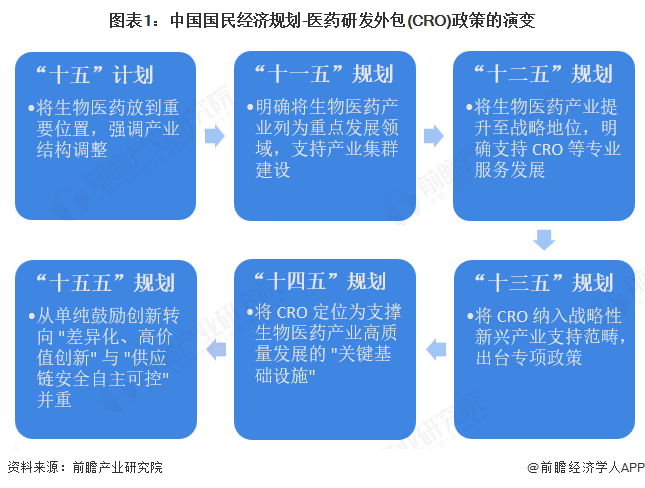
Core Viewpoint - The report highlights the significant growth and development of China's Contract Research Organization (CRO) industry, driven by a comprehensive policy framework and regulatory reforms that enhance innovation and operational efficiency in the pharmaceutical sector [1][3][9]. Group 1: Industry Overview - The main listed companies in China's CRO industry include WuXi AppTec (603259.SH), Kanglong Chemical (300759.SZ), Tigermed (300347.SZ), Kelaiying (002821.SZ), Zhaoyan New Drug (603127.SH), Jiuzhou Pharmaceutical (603456.SH), Haoyuan Pharmaceutical (688131.SH), Boteng Co., Ltd. (300363.SZ), Chengdu XianDao (688222.SH), and Yaoshi Technology (300725.SZ) [1]. - The CRO industry is recognized as a strategic emerging industry that supports pharmaceutical innovation, transitioning China from a major pharmaceutical market to a strong one [1]. Group 2: Policy Framework - The policy framework for the CRO industry is centered around the National Medical Products Administration (NMPA) and includes collaboration with other regulatory bodies such as the National Health Commission (NHC) and the Drug Administration (CDR) [3]. - Key regulatory measures include the Marketing Authorization Holder (MAH) system, implicit licensing for clinical trials, Good Laboratory Practice (GLP) and Good Clinical Practice (GCP) certifications, and priority review and approval processes [3]. Group 3: Industry Support Policies - National policies provide financial support through initiatives like the "Major New Drug Creation" program, tax reductions for high-tech enterprises, and increased deductions for R&D expenses, which lower operational costs for the industry [6]. - Local governments implement differentiated policies that align with regional industrial characteristics, including subsidies for innovative drug development and funding for CRO platform construction [6]. Group 4: Drug Review Reforms - Recent reforms in drug review processes have significantly improved approval efficiency, reducing the average clinical trial review time from 420 days to 30 days in pilot areas, and addressing a backlog of 22,000 cases [9][12]. - The definition of new drugs has shifted from "China New" to "Global New," aligning with international standards and enhancing the quality of innovation [12]. Group 5: Future Trends - The future of the CRO industry in China is expected to be driven by a robust policy framework, with trends including deeper collaboration in service models, increased application of AI and digital platforms, and a focus on specialized market segments [13]. - The competitive landscape is anticipated to evolve with the rise of domestic leaders and accelerated internationalization, benefiting from improved mechanisms for mutual recognition of clinical trial data [13].





真实世界研究如何可信?医保部门联合79家医院从三方面入手
2 1 Shi Ji Jing Ji Bao Dao· 2026-01-21 09:31
Group 1 - The National Healthcare Security Administration (NHSA) has included 79 hospitals in the national credible evaluation point network for real-world healthcare value assessment [2] - The NHSA aims to ensure the credibility of evaluations by involving credible evaluation points in three key areas: entry assessment, data verification, and quality assurance [2][3] - The NHSA emphasizes the importance of professional personnel from credible evaluation points to assist in reviewing evaluation proposals to ensure they meet scientific and clinical needs [2] Group 2 - The NHSA plans to enhance data authenticity by inviting credible evaluation points to participate in checks and verify original data, addressing any identified deficiencies [2] - The NHSA encourages credible evaluation points to engage in peer evaluations to maintain the quality of assessments and produce trustworthy evaluation reports [2] - The NHSA aims to establish an information-sharing mechanism among credible evaluation points to improve the efficiency and quality of healthcare evaluations [3]
欧康维视生物-B(01477):OT-703于海南博鰲进行的真实世界研究完成患者入组
智通财经网· 2026-01-19 23:36
Core Viewpoint - The company has successfully completed the enrollment of 195 patients in a real-world study for its product OT-703 (ILUVIEN), which is used to treat diabetic macular edema (DME) [1] Group 1: Product Information - OT-703 is an injectable, non-biodegradable fluocinolone acetonide intravitreal implant that provides continuous release of the drug for up to 36 months [2] - It is the only FDA-approved corticosteroid intravitreal implant for DME treatment that offers a sustained release for up to three years [2] - The product has been licensed exclusively for development and commercialization in Greater China, South Korea, and 11 Southeast Asian countries through an agreement with Alimera Sciences, Inc. [2] Group 2: Regulatory Approvals - OT-703 has received regulatory approval from the U.S. Food and Drug Administration (FDA) and is marketed under the brand name "ILUVIEN" [2] - In December 2023, OT-703 was approved by the Hong Kong Pharmacy and Poisons Board for registration as a pharmaceutical product under the Pharmacy and Poisons Ordinance [2]
国家医保局与79家医院签约,开展真实世界医保综合价值评价试点
Xin Lang Cai Jing· 2026-01-17 11:31
Core Viewpoint - The National Healthcare Security Administration (NHSA) has signed agreements with 79 hospitals to initiate a pilot program for real-world comprehensive value assessment of medical insurance, aiming to evaluate the effectiveness, safety, and economic value of pharmaceutical products post-market [1] Group 1: Real-World Research and Evaluation - Real-world research refers to the assessment of the effectiveness, safety, and economic value of medical products based on data generated from daily clinical practices [1] - The NHSA acknowledges that while a dynamic adjustment mechanism for the medical insurance catalog is in place, challenges remain in decision-making due to the idealized conditions of pre-market clinical trials [1][6] - The evaluation will incorporate patient experiences and satisfaction, addressing the discrepancies between clinical trial populations and the broader patient population [3] Group 2: Data Collection and Analysis - Comprehensive data collection will include patient demographics, treatment plans, clinical outcomes, and adverse effects of medications [5] - Real-world data can reveal complexities and uncertainties, such as the actual incidence of side effects that may differ from clinical trial results [8] - The use of real-world data will enable clearer insights into which medications genuinely improve patient quality of life and which medical services offer better cost-effectiveness [8] Group 3: Implications for Healthcare Funding - The real-world comprehensive value assessment is expected to enhance the efficiency of healthcare fund allocation, allowing for the identification and exclusion of high-cost, low-efficacy drugs [10] - This approach aims to create a more patient-centered healthcare system by prioritizing innovative technologies and services that meet actual patient needs [10]
国家医保局开展真实世界医保综合价值评价试点
Yang Guang Wang· 2026-01-17 02:11
Core Insights - The establishment of the National Credible Evaluation Point Network for Real-World Medical Insurance Comprehensive Value Assessment aims to scientifically evaluate the actual value of pharmaceutical products using real clinical data [1][2] - The initiative involves 79 leading medical institutions and is intended to support key decisions in medical insurance, including drug negotiations and pricing [1] - The network will provide objective evidence for the adjustment of the medical insurance catalog, ensuring that the benefits and cost-effectiveness of negotiated drugs are in line with initial expectations [1] Group 1 - The Real-World Research focuses on evaluating the effectiveness, safety, and economic value of pharmaceutical products based on data generated from daily clinical practices [1] - The National Healthcare Security Administration (NHSA) emphasizes the importance of real-world research as a foundational work for medical insurance decision-making [1] - The NHSA plans to conduct evaluations every two years for negotiated drugs to ensure their benefits align with expectations [1] Group 2 - The NHSA aims for each credible evaluation point to participate in at least one real-world comprehensive value assessment of a drug, consumable, or medical service by 2026 [2] - The initiative is expected to generate demonstrable results that can withstand scrutiny and be applied in practical scenarios [2]
2025年医疗保障领域10大热词,点击查看——
Sou Hu Cai Jing· 2026-01-02 12:40
Core Insights - The year 2025 marks significant advancements in China's healthcare security system, showcasing resilience and a focus on people's health amidst modernization efforts [1] Group 1: Multi-layered Medical Security System - The "1+3+N" framework emphasizes a multi-layered medical security system, including a unified medical insurance information platform, basic medical insurance, major illness insurance, and support for commercial health insurance [2] - Reimbursement rates for inpatient expenses under employee and resident medical insurance have reached approximately 80% and 70%, respectively, with improvements in outpatient services [2] Group 2: Dual Drug Catalogs - The introduction of the "dual catalog" system for basic medical insurance and commercial health insurance marks a significant step in defining the boundaries of coverage, facilitating access to innovative drugs [3] - In 2025, the basic medical insurance catalog added 114 new drugs, with 50 being innovative drugs, achieving a negotiation success rate of 88% [3] Group 3: Provincial Coordination - The push for provincial coordination in basic medical insurance aims to enhance fairness and sustainability, with 20 provinces already advancing this initiative [5] - The focus is on optimizing fund management and ensuring uniform policy implementation across regions [5] Group 4: Anti-Competition Measures - The "anti-involution" strategy aims to stabilize drug pricing and maintain quality by preventing irrational price competition in the pharmaceutical industry [6][7] - Mechanisms have been introduced to ensure fair pricing and enhance clinical selection in drug procurement [7] Group 5: Real-World Research - Real-world research (RWS) has been established as a key tool for evaluating the comprehensive value of drugs and medical technologies, aiming to support sustainable fund management [8] - The National Medical Insurance Administration is developing a nationwide evaluation system to integrate real-world data into decision-making processes [8] Group 6: Long-term Care Professionals - The introduction of long-term care professionals aims to strengthen the workforce for long-term care services, with over 3,500 candidates participating in certification exams across multiple provinces [10] - The long-term care insurance system has expanded to cover nearly 300 million people, benefiting over 3.3 million individuals with disabilities [10] Group 7: Maternity Insurance System - The maternity insurance system aims for "no out-of-pocket" expenses for childbirth within policy coverage, with 2.55 billion people enrolled in the program [11] - Efforts are underway to include more demographics, such as flexible workers and migrant workers, into the maternity insurance coverage [11] Group 8: Drug Traceability Codes - The implementation of drug traceability codes has led to the collection of 39.885 billion codes, enhancing consumer protection and combating counterfeit drugs [13] - By July 2025, all medical institutions will be required to implement full traceability for drug sales [13] Group 9: Three-Settlement Reform - The "three-settlement" reform aims to streamline payment processes in the healthcare sector, significantly reducing the payment cycle for pharmaceutical companies [14] - The initiative includes immediate, direct, and synchronized settlements to enhance service efficiency for patients [14] Group 10: Medical Service Pricing Guidelines - The establishment of national medical service pricing guidelines aims to standardize pricing across provinces, addressing discrepancies and improving service quality [16] - The National Medical Insurance Administration has issued 36 batches of guidelines, with plans to complete 40 by 2026 [16]