石油美元回流机制

Search documents
这一次不一样!股市反应迟钝,央行迟早QE,而黄金难以对冲
华尔街见闻· 2026-03-22 09:55
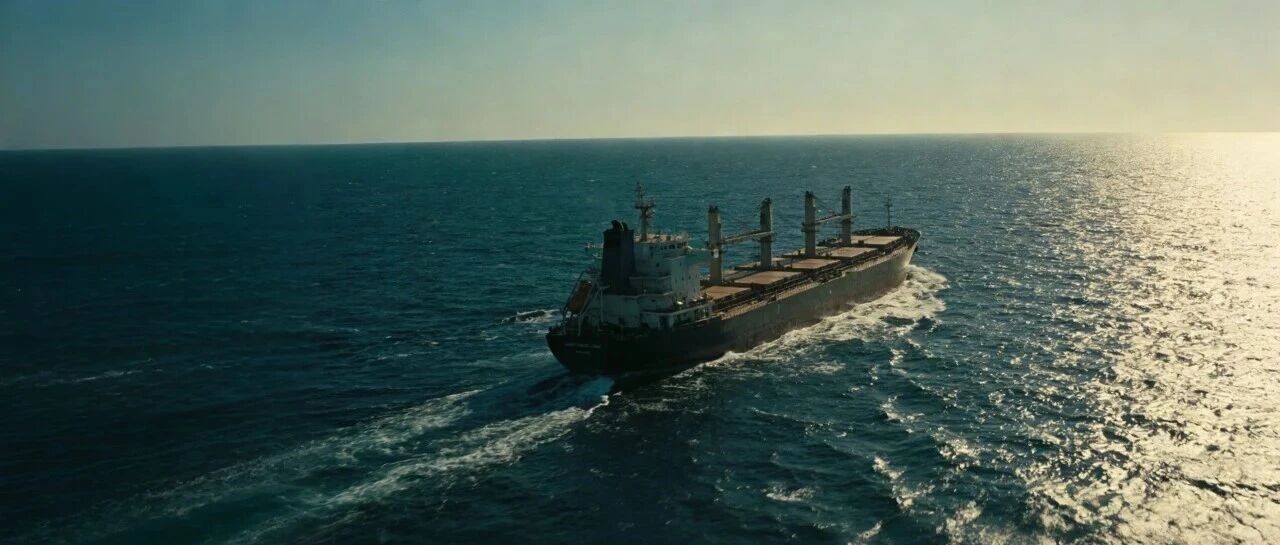
Core Viewpoint - The blockade of the Strait of Hormuz is creating a supply crisis that the market has significantly underestimated, with the usual risk-averse logic potentially failing this time [1][2]. Group 1: Market Reaction and Supply Crisis - Financial markets are currently in a state of collective denial regarding the supply shock, with stock market reactions lagging significantly [2][6]. - The closure of the Strait of Hormuz is expected to last until at least the end of March, with an estimated loss of around 450 million barrels of oil supply, which will be permanently lost [3][10]. - The U.S. stock market's potential impact from this crisis is asymmetric, with energy companies valued at approximately $2 trillion, while sectors benefiting from low oil prices are valued over $30 trillion, indicating a significant short opportunity [6]. Group 2: Central Bank Dilemma - Central banks face a challenging situation with simultaneous inflation and recession risks, leading to a likely shift towards quantitative easing (QE) [7][8]. - The historical context suggests that following inflation with interest rate hikes could worsen the situation, reinforcing the likelihood of QE as a necessary response [8][9]. Group 3: Gold as a Hedge - Gold is currently not seen as an ideal hedge against geopolitical risks and inflation, facing selling pressure rather than buying interest before QE is implemented [3][12]. - The logic behind this is that during liquidity crises, gold is often sold off to meet financing needs, as evidenced by Poland's recent decision to sell part of its gold reserves [12]. - The optimal strategy is to short gold until QE is announced, after which it can be included in a long position [13][15]. Group 4: Broader Commodity Outlook - Other commodities such as Brent crude oil and copper are viewed more favorably compared to gold, with Brent crude expected to benefit directly from supply disruptions [13][16]. - The current situation is seen as a structural shift rather than a temporary shock, with a long-term impact on global energy supply chains and asset performance [14]. Group 5: Investment Strategy - The recommended investment strategy includes going long on high-volatility assets and diversifying across commodity exposures, particularly in Brent crude and copper, while shorting airline stocks [15][16].