
研究型审计

Search documents
赵一德在省委审计委员会会议上强调充分发挥审计独特监督作用 为实现“十五五”良好开局提供坚实保障
Shan Xi Ri Bao· 2026-02-27 23:54
Core Viewpoint - The meeting of the Provincial Audit Committee emphasized the importance of implementing Xi Jinping's important discourse on audit work and the deployment of the national audit work conference, focusing on the responsibilities and effectiveness of audit work for the year 2026 [1][2]. Group 1: Audit Work Progress and Responsibilities - The provincial audit agencies have effectively implemented the decisions and requirements of the central government and the provincial party committee, achieving new progress and results in audit work over the past year [2]. - The year 2023 marks the beginning of the "14th Five-Year Plan," making the responsibilities of audit work particularly significant [2]. - The focus will be on consolidating and deepening the reform of the audit management system, promoting comprehensive audit coverage, and ensuring the authoritative and efficient use of audit results [2][3]. Group 2: Key Areas of Audit Supervision - Audit supervision will be strengthened around major decisions of the central government and provincial initiatives, including the "Three-Year" activities and the "Eight Hard Battles" [3]. - Attention will be given to the use of fiscal funds, technological and industrial innovation, deepening reforms, improving people's livelihoods, environmental protection, risk prevention, and the regulation of power operations [3]. - The aim is to identify and address major, key, and typical issues in a timely manner [3]. Group 3: Audit Improvement and Team Building - The meeting highlighted the need to consolidate and expand the achievements of the "Scientific Normative Improvement Year" initiative and to actively engage in "smart auditing" [3]. - There will be a focus on comprehensive rectification of issues raised in audits, with an emphasis on central audit feedback and rigorous management [3]. - Strengthening the leadership of the party throughout the audit process and enhancing the audit team's capabilities are also priorities [3].
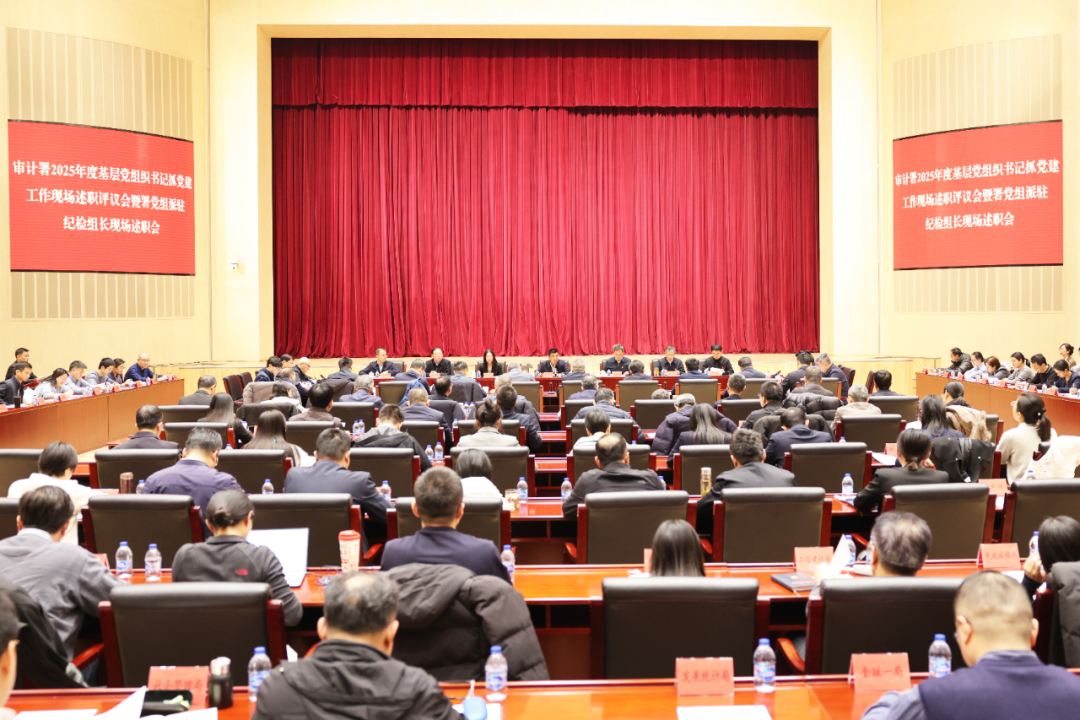
审计署召开2025年度基层党组织书记抓党建工作现场述职评议会暨署党组派驻纪检组长现场述职会
Xin Lang Cai Jing· 2026-01-14 11:24
Group 1 - The meeting emphasized the importance of conducting performance evaluations for grassroots party organization secretaries as a means to strengthen the responsibility for comprehensive and strict governance of the Party [2] - The evaluations highlighted the achievements and experiences of 16 representatives from various units, focusing on their commitment to the "two safeguards," deepening theoretical education, and reinforcing grassroots foundations [2] - The meeting underscored the need for the integration of Party building with auditing work to promote high-quality development in both areas [3] Group 2 - In 2026, grassroots party organizations and members are expected to adhere to Xi Jinping's thoughts to enhance unity and focus on their primary responsibilities [3] - The meeting called for a continuous effort to eliminate corruption and maintain a vigilant stance against potential issues within the organization [3] - There was a strong emphasis on the responsibility of Party building as a key performance indicator, urging leaders to actively engage in planning and improving their capabilities [3]

荣成审计局“五环联动”系统谋划2026年度审计立项
Qi Lu Wan Bao· 2026-01-14 10:47
Group 1 - The core viewpoint emphasizes the importance of research-oriented auditing in promoting the 2026 audit project planning in Rongcheng City, Shandong Province [1] - The audit bureau focuses on systematic planning and precise strategies around five key links to enhance the quality of project selection [1] - The bureau aims to align audit project initiation with the central work of the Party and government, ensuring that audit services resonate with broader economic supervision [1] Group 2 - Responsibilities are clearly defined among various departments, which propose audit project suggestions in areas such as financial auditing, investment auditing, and environmental auditing [2] - The organization fosters collaboration and coordination between different levels and external entities to create a unified approach to auditing [2] - The emphasis is placed on collecting input from higher audit authorities and committee members to strengthen the overall audit framework [2]
中国信达审计部业务二处:深化研究型审计实践 科技赋能提质增效
Xin Lang Cai Jing· 2026-01-04 12:26
Core Insights - The company is actively implementing a centralized internal audit system and exploring the application of advanced technologies like artificial intelligence in the audit field, aiming to build a research-oriented audit team and enhance the transformation of theoretical research into practice [2][9]. Group 1: Audit Performance - In 2024, the audit team completed 23 audit projects, conducted 21 on-site audits across 11 units, and accumulated 275 days of travel, demonstrating high efficiency in fulfilling audit tasks [2][9]. - The team produced 166 audit work papers and emphasized the transformation of audit results by leading the compilation of a case study on asset quality research audits [2][9]. Group 2: Research and Innovation - The audit department has integrated research concepts into audit practices, optimizing workflows and methods, and successfully established a multi-dimensional pre-audit risk assessment system [3][10]. - This risk assessment system effectively guided the formulation of audit plans and work hour allocation, enhancing the efficiency and quality of audit work [3][10]. Group 3: Youth Development - The department has launched a "Five Ones" initiative to enhance the capabilities of young employees, promoting a research-oriented audit philosophy [4][10]. - The initiative includes reading influential books, focusing on industry-specific audits, skill enhancement through practical training, team collaboration on audit case studies, and project execution to develop dynamic audit models [5][6][12][14].
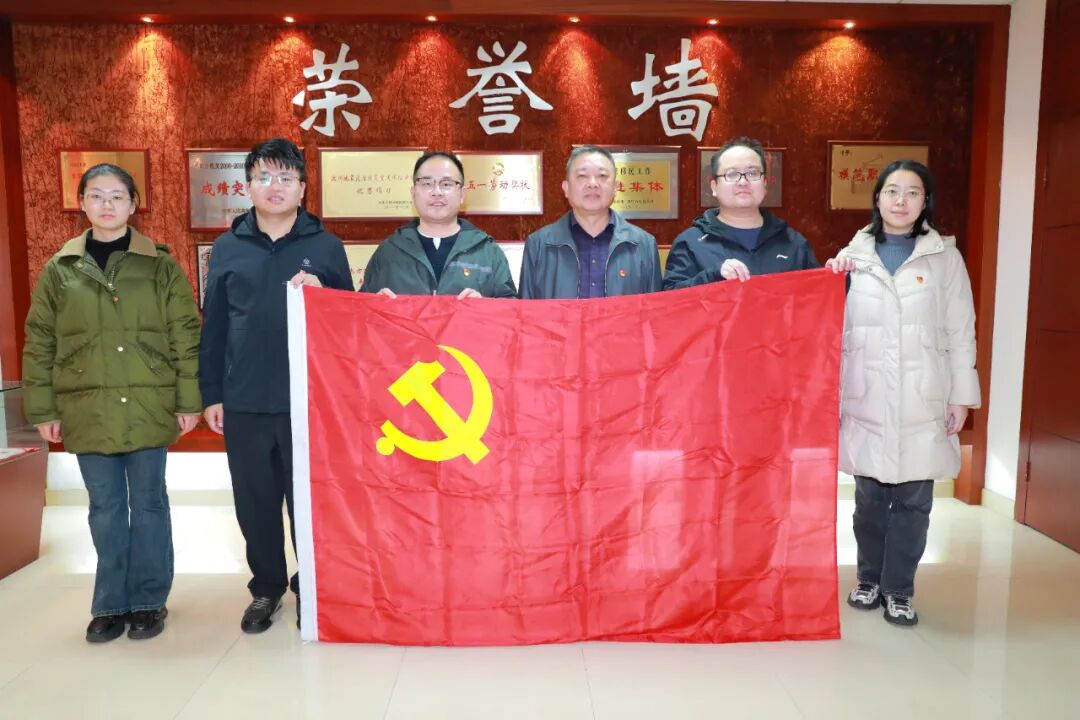
“四强”党支部丨党建领航强审计 “四强”筑基守初心
Xin Lang Cai Jing· 2025-12-24 06:29
Core Viewpoint - The article emphasizes the integration of political functions within the auditing process, highlighting the importance of aligning audit work with the directives of the Communist Party of China to enhance governance and accountability in public investment management [2][3][10]. Group 1: Political Function and Direction - The auditing body is positioned as a crucial component of the national supervision system, aimed at modernizing governance capabilities [2]. - A "three-level linkage" learning system is established to enhance political loyalty among party members, focusing on the study of Xi Jinping's thoughts and relevant regulations [2][3]. - The party branch implements a mechanism to ensure that audit work aligns with national development strategies, enhancing the ability to assess audit issues from a political perspective [3]. Group 2: Strengthening the Party Branch - The party branch focuses on building a strong committee to lead by example in audit practices, emphasizing the importance of discipline and accountability [4][7]. - A "supporting mentorship" program is initiated to pair experienced members with younger auditors, facilitating knowledge transfer and practical training [7][8]. - The party branch actively engages in auditing key projects, utilizing big data analysis to identify potential issues and report findings to higher authorities [4][8]. Group 3: Enhancing Professional Capability - The auditing process incorporates a "policy research—on-site verification—results transformation" closed-loop mechanism to improve precision in audits [8]. - A "five checks and five looks" methodology is developed to address common challenges in public project audits, ensuring compliance and quality [8]. - The establishment of a "big data audit task force" aims to tackle the complexities of large investment projects through advanced data analysis techniques [8]. Group 4: Commitment to Public Welfare - The auditing body prioritizes public satisfaction as a measure of its effectiveness, focusing on the impact of projects on community welfare [10]. - Specific audits are conducted to ensure that public funds are utilized effectively and that projects meet the needs of the local population [10]. - The party branch recognizes that strong political functions, leadership, skilled personnel, and a commitment to public service are essential for successful auditing [10].
淮安市审计局:以强研究提质效护航高质量发展
Xin Hua Ri Bao· 2025-12-18 21:47
Core Viewpoint - The Huai'an Audit Bureau has implemented a series of measures to enhance audit quality and efficiency, aligning with provincial directives to support economic and social development while maintaining a focus on public satisfaction [1]. Group 1: Audit Quality and Efficiency - The bureau has established comprehensive audit procedures and optimized business processes, introducing guidelines to ensure scientific and precise operational standards [2]. - A total of 45 audit items were integrated throughout the year, reducing on-site personnel by over 1,000 and cutting down document submissions by more than 500, thereby alleviating the burden on grassroots officials [2]. - The bureau conducted 29 audit projects related to agricultural integration, medical insurance funds, and public service initiatives, resulting in over 140 audit recommendations and 37 special reports submitted to municipal leadership [2]. Group 2: Policy Implementation and Financial Management - The bureau focused on tracking the implementation of major central and provincial policies, conducting in-depth audits on 11 drainage projects with a total investment of 1.734 billion yuan, which led to the acceleration of over 30 million yuan in overdue payments [3]. - Special audits on state-owned enterprise reforms and the clearance of overdue accounts resulted in the recovery of 430 million yuan in debts, contributing to a better business environment [3]. - The bureau enhanced its audit efforts on public service funding, facilitating the timely allocation of over 30 million yuan and addressing issues in 198 community service locations [3]. Group 3: Audit Rectification and Governance - The bureau emphasized responsibility in audit rectification, leading to the establishment of a clear process for addressing audit findings, resulting in the rectification of 463 million yuan in identified issues [4]. - A total of 942 problems were documented with specific rectification targets and timelines, with quarterly progress reviews conducted to ensure accountability [4]. - The bureau compiled a report on 43 representative cases from the past five years to guide departments in improving internal management and risk prevention [5].
荣成市审计局清单赋能研审协同推动研究型审计落地见效
Qi Lu Wan Bao· 2025-12-17 09:26
Group 1 - The core viewpoint of the article emphasizes the implementation of a "research-based audit checklist" mechanism to enhance audit quality through systematic management and proactive research [1] - The audit process is transformed from reactive problem-solving to proactive assessment, ensuring alignment with central tasks and macro decision-making [1] - The establishment of various checklists, including "superior deployment checklist" and "local policy checklist," aims to consolidate political attributes and policy support for audit work [1] Group 2 - The article highlights the importance of a closed-loop management mechanism that follows the "politics—policy—project—funding" line to ensure orderly implementation of checklist construction [1] - The focus is on researching policies, projects, and funding introduced since 2025, with departments responsible for summarizing, reviewing, and guiding rectifications to ensure checklist quality [1] - A shared platform is created to form a comprehensive knowledge base of checklists, facilitating knowledge sharing and collaborative research through keyword searches [1] Group 3 - The practical value of the checklist is realized through the identification of high-risk and significant areas, which serve as important bases for audit project initiation [2] - The content of the checklist allows for precise targeting of audit focuses, effectively improving the efficiency of problem detection [2] - Regular and institutionalized checklist submissions and discussions enhance the capabilities of audit personnel in policy research, data analysis, and macro thinking, supporting high-quality development of audit work [2]
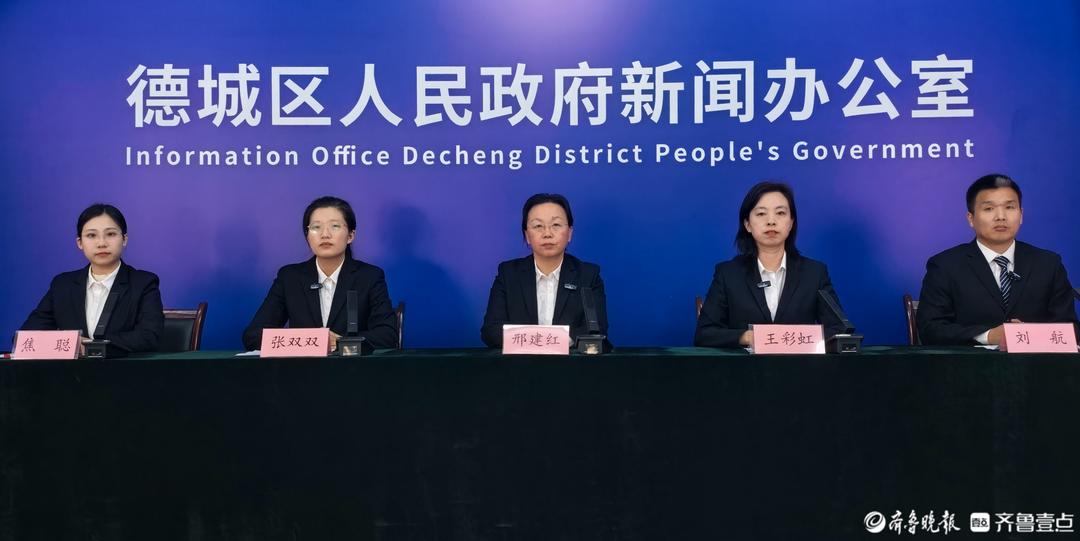
从“项目计划”到“成果专报”,德城审计全链条规范提升监督效能
Qi Lu Wan Bao· 2025-12-04 13:01
Core Viewpoint - The Decheng District Audit Bureau is implementing a "Scientific and Normative Improvement Year" initiative to enhance audit quality and efficiency, supporting high-quality economic development in the region [3][5]. Group 1: Audit Planning and Implementation - The audit bureau has adopted a systematic approach to improve audit project selection, focusing on key government priorities and sectors, and has developed an annual audit plan accordingly [3]. - The bureau has divided audit projects into four batches, with 3 to 5 projects being implemented simultaneously to optimize resource allocation [3]. - A dynamic management system has been established to oversee seven critical time nodes in the audit process, ensuring quality control while maintaining project timelines [4]. Group 2: Technological Integration - The bureau is enhancing its audit processes through the application of smart auditing technologies, including the local deployment of the DeepSeek-R1-14B language model to efficiently process nearly 3,000 pieces of unstructured data [4]. - An "Audit Procedure Control Assistant" has been introduced to provide real-time risk alerts and facilitate online collaboration among audit team members, addressing challenges encountered during audits [4]. Group 3: Research and Reporting - The bureau promotes a research-oriented audit philosophy, producing specialized reports for each audit project to distill key findings and support informed decision-making by district leadership [4]. - Audit results are systematically transformed into governance effectiveness, providing substantial support for scientific decision-making by the district committee and government [4]. Group 4: Team Development - The bureau emphasizes the importance of political quality alongside professional skills, conducting over ten collective learning sessions and multiple specialized lectures to strengthen discipline and awareness among audit personnel [5]. - Continuous learning initiatives are in place to cultivate a robust audit team capable of meeting high standards in audit supervision [5].
荣成市审计局聚焦“三个维度” 做实财政审计审前调查
Qi Lu Wan Bao· 2025-06-03 21:11
Group 1 - The core idea of the article is the implementation of a pre-audit investigation for the 2024 fiscal budget execution by the Rongcheng City Audit Bureau, focusing on a research-oriented audit approach that emphasizes "policy," "public opinion," and "data" [1][2] Group 2 - From the "policy" perspective, the audit bureau has compiled a comprehensive policy list that includes over a hundred policies related to "green low-carbon high-quality development," benefiting the public and agriculture, and has identified key aspects such as policy goals, execution measures, and fund allocation [1] - The bureau has conducted pre-audit communications with relevant departments to identify weaknesses and risks in policy execution, providing guidance for subsequent audits [1] Group 3 - From the "public opinion" perspective, the bureau has focused on the execution of livelihood policies and the distribution of subsidies, conducting in-depth research on key subsidy items such as urban and rural minimum living guarantees and support for special families [1] - The bureau has utilized platforms like the People's Heart Network and the 12345 hotline to gather public complaints related to livelihood issues, aiming to pinpoint audit breakthroughs in this area [1] Group 4 - From the "data" perspective, the bureau has initiated comprehensive data collection and analysis to determine audit priorities, including the aggregation of approximately 1.32 million payment records from the "One Card for People's Livelihood Subsidy System" [2] - A standardized data warehouse has been established to support subsequent analysis, and a comparative data analysis model has been constructed to evaluate the budget execution status of various budget units [2]
凝聚江苏审计高质量发展新动能
Xin Hua Ri Bao· 2025-04-28 21:34
Core Viewpoint - The article emphasizes the importance of auditing and its rectification as a key component of the national supervision system, highlighting the need for Jiangsu Province to effectively implement the "14th Five-Year Plan" development goals through robust auditing practices [1][2]. Group 1: Mechanism Improvement - The establishment of a new audit rectification framework through institutional innovation is crucial, focusing on comprehensive, special, and key supervision to transition from phased to normalized rectification [2]. - A "research-oriented" mindset is essential, aligning with the central government's decisions on enhancing audit rectification and ensuring that audit services support high-quality economic and social development [2][3]. - The implementation of a "closed-loop" management system for audit rectification is being prioritized, ensuring that all stages of the audit process are interconnected and that rectification efforts are systematically monitored and reported [2][3]. Group 2: Resource Integration - A collaborative audit rectification model is being developed, moving from isolated efforts to a system-integrated approach that enhances the overall effectiveness of rectification [3]. - The government is taking a leading role in audit rectification, with regular meetings to address issues identified in audits and incorporating rectification into the provincial government's oversight mechanisms [3]. - Continuous monitoring and follow-up on unresolved issues are being emphasized, ensuring that audit findings are addressed thoroughly and effectively [3]. Group 3: Technological Empowerment - The integration of technology in audit processes is being pursued to enhance efficiency, with the development of a comprehensive audit results utilization system that streamlines management and improves accessibility [4]. - A systematic approach to managing audit resources is being implemented, addressing challenges related to fragmented information and ensuring a cohesive workflow from audit initiation to rectification [4]. - The establishment of a standardized problem database and multi-dimensional query functions is aimed at facilitating effective analysis of audit findings and trends, thereby improving governance and decision-making [4][5].