未涉及

Search documents
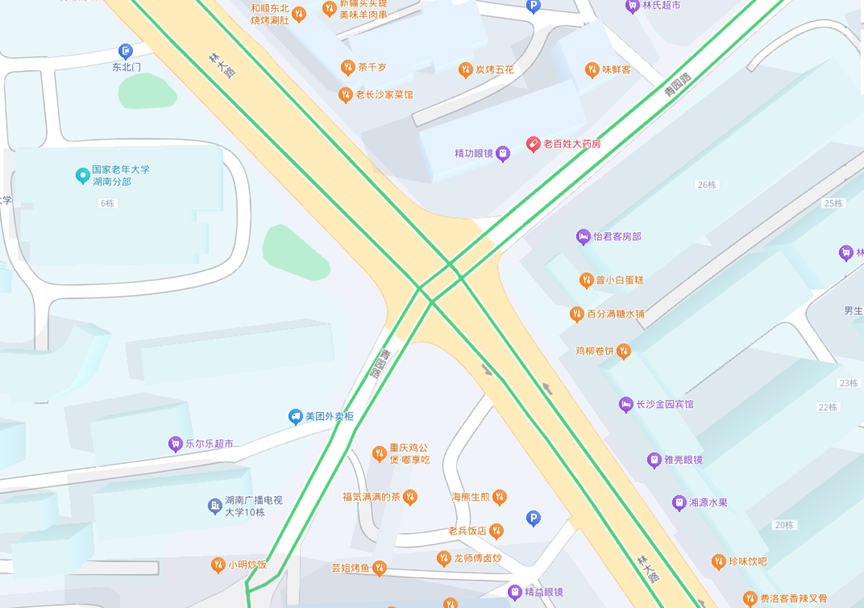
3月2日起,长沙这一路口禁止左转!
Chang Sha Wan Bao· 2026-02-28 03:43
Group 1 - The article discusses traffic restrictions in the Tianxin District of Changsha due to construction work on the drainage improvement project [1] - Starting from March 2, vehicles will be prohibited from making left turns at the intersection of Lin Da Road and Qingyuan Road, and straight travel will be banned on Qingyuan Road in both directions [1] - The traffic management authority will issue further announcements if there are any adjustments to the traffic restrictions during the construction period [3] Group 2 - Drivers are reminded to comply with traffic regulations and follow the instructions of traffic management personnel for safe and orderly travel [3]

年初三的合肥街头,她抱着孩子敲响了岗亭的门……
Xin Lang Cai Jing· 2026-02-22 02:33
Group 1 - A young mother lost her phone while traveling with her 10-month-old baby during the Chinese New Year and sought help from the police [3][4][6] - The police quickly located the ride-hailing driver and confirmed the phone was still in the vehicle, leading to its return [4][6][7] - The mother expressed her gratitude, highlighting the police's role in providing support during the holiday season [7] Group 2 - An elderly man named Liu lost his household registration book and received immediate assistance from the police, who expedited the process to issue a new one [9][10] - Liu expressed his appreciation for the police's efficient service, indicating a high level of satisfaction [9][10] Group 3 - On New Year's Eve, police helped a driver whose vehicle was stuck in mud due to inclement weather, demonstrating community support [14] - The police worked collaboratively with the public to resolve the situation, emphasizing their commitment to public safety [14] Group 4 - Police responded promptly to an elderly man who fell and injured himself, ensuring he received medical attention [16] - The officers stayed with the elderly man until his family arrived, showcasing their dedication to community welfare [16] Group 5 - On the first day of the Lunar New Year, police assisted a lost child in reuniting with his mother, emphasizing the importance of vigilance during holiday outings [17] - The police reminded the public to keep an eye on children and elderly family members during festive activities [17] Group 6 - Police officers created a green channel for a family in need of urgent medical assistance, successfully navigating through heavy traffic to reach the hospital [20] - This incident highlighted the efficiency and responsiveness of the police in emergency situations [20]

出台生态环境违法行为举报奖励办法
Xin Lang Cai Jing· 2026-02-02 18:02
Core Points - The government of Haixi Mongolian and Tibetan Autonomous Prefecture has issued the "Reward Measures for Reporting Environmental Violations (Trial)" to encourage public participation in environmental protection supervision and to legally punish various environmental violations [1][2] - The measures include a tiered reward system for reporting environmental violations, with rewards ranging from 100 yuan to 300,000 yuan based on the severity of the violation and the value of the information provided [1][2] - The measures also provide for double rewards for internal employees who report significant environmental violations with valid evidence [1] Reporting Channels and Protections - The measures establish multiple reporting channels, including a government hotline, national environmental complaint platforms, and social media, ensuring anonymity and confidentiality for whistleblowers [2] - Strict confidentiality protocols are in place to protect the identity of reporters, with legal consequences for any unauthorized disclosure of their information [2] - The reward distribution process has been optimized to ensure timely and full payment of rewards, allowing reporters to participate without concerns [2] Implementation Timeline - The measures were officially issued on January 12, 2026, with a public notice period of 30 days, and will take effect on February 10, 2026 [3]
兵团持续筑牢林草生态安全防线
Xin Lang Cai Jing· 2026-01-16 18:01
Group 1 - The core viewpoint of the articles emphasizes the commitment of the Xinjiang Production and Construction Corps (XPCC) to strengthen the protection and management of natural forest resources and national public welfare forests, adopting a "zero tolerance" approach towards illegal activities related to forestry and grassland [1] - Since the beginning of the 14th Five-Year Plan, the XPCC has handled over 1,600 cases related to forestry and grassland law enforcement, effectively reinforcing the ecological safety of forest and grassland [1] - The XPCC has implemented strict controls on land use and forest land management, establishing a parallel approval mechanism for land, forest, and grassland use, and has achieved a balance between ecological protection and economic development [1] Group 2 - The XPCC has improved its disaster prevention capabilities in forestry and grassland over the past five years, with no major forest or grassland fires reported, and an average annual forest fire damage rate maintained below 0.4% [1] - The ecological protection efforts include the establishment of an integrated monitoring system utilizing drones and smart monitoring technologies to enhance the precision and efficiency of ecological supervision [1] - The XPCC is committed to maintaining safety standards for forest and grassland fire prevention, pest control, and flood prevention, while promoting ecological protection and restoration as part of its 15th Five-Year ecological planning [2]
深港共治结硕果,大鹏湾全域获评“美丽海湾优秀案例”——首个跨境协同治理的高品质美丽海湾典范建成
Zhong Guo Huan Jing Bao· 2026-01-07 00:42
Core Viewpoint - The Dapeng Bay, spanning both Shenzhen and Hong Kong, has been recognized as a model for cross-border environmental governance, marking the establishment of China's first high-quality "Beautiful Bay" through collaborative efforts between the two regions [2][12]. Group 1: Mechanism Coordination - The key to cross-border bay governance lies in collaboration, with Shenzhen and Hong Kong breaking down administrative barriers to create a multi-layered cooperation network [3]. - Since 2006, both regions have focused on marine environmental protection in Dapeng Bay through various cooperative platforms, leading to the signing of the "Comprehensive Deepening of Ecological and Environmental Protection Cooperation Agreement" in 2024 [3]. - Joint initiatives include the establishment of volunteer groups for coastal clean-up and the creation of an ecological protection public welfare fund, promoting a new ecological governance model [3]. Group 2: Precision Pollution Control - Shenzhen and Hong Kong have developed an integrated pollution control system to address land-based pollution and marine debris, enhancing water quality monitoring and wastewater treatment [6][7]. - A data-sharing mechanism has been established to regularly exchange water quality data, improving the efficiency of pollution control measures [6]. - Advanced technologies such as drones and AI are utilized for real-time monitoring and response to environmental incidents, ensuring effective cross-border pollution management [7]. Group 3: Ecological Restoration - Both regions are committed to ecological restoration, implementing various protective measures for marine ecosystems, including coral reefs and mangroves [8][9]. - Hong Kong has established coastal parks and regulations to protect marine biodiversity, while Shenzhen focuses on enhancing coastal wetlands [8]. - Joint efforts include the deployment of artificial reefs and the promotion of marine species conservation, contributing to the overall health of marine ecosystems [9]. Group 4: Shared Benefits - The development of high-quality coastal spaces aims to translate ecological value into tangible benefits for the public, enhancing access to natural environments [10]. - Cross-border eco-tourism initiatives connect natural resources from both regions, providing unique experiences for visitors and promoting cultural heritage [10]. - Dapeng Bay has seen over 10 million visitors, reflecting the success of these initiatives in fostering public engagement with the environment [10]. Group 5: Public Participation - Public involvement is crucial for the long-term health of the bay, with initiatives designed to instill ecological awareness among citizens [11]. - Educational programs and volunteer opportunities have engaged over 3 million participants in marine conservation activities [11]. - Collaborative volunteer clean-up events are planned for 2025, aiming to attract over 5,000 volunteers, reinforcing the community's role in environmental stewardship [11].

吉林大学发表最新Science论文
生物世界· 2025-12-20 10:00
Core Insights - The article discusses the complex evolutionary history of cattle in East Asia, highlighting multiple diffusion events and extensive genetic mixing [2][8] - A recent study published in the journal Science provides a comprehensive genetic map of the origins and migration of East Asian cattle, offering new perspectives on prehistoric human migrations and ancient civilization exchanges [3][5] Group 1: Research Findings - The research team analyzed 166 ancient cattle samples from various archaeological sites, spanning from 10,000 years ago to 200 years ago, resulting in the largest and most complete dataset of ancient East Asian cattle genomes to date [5] - The study indicates that the primary source of East Asian cattle during the Holocene was a lineage from Northern Asian wild cattle, mixed with approximately 15% Western wild cattle ancestry [6] - The genetic composition of cattle from the Yellow River basin during the late Neolithic to Bronze Age formed a homogenous group, originating from Western Eurasian cattle with about 10% local wild cattle gene input, followed by a significant population bottleneck [6] Group 2: Genetic Mixing Events - The research reveals four significant fusion events in the genetic history of East Asian cattle, challenging the traditional view of a single origin and highlighting a gradual process of multiple external inputs and deep local population integration [8] - The findings suggest that the Eurasian steppe and Central Asia were key corridors for the early diffusion of cattle into East Asia, emphasizing these regions as important priorities for future ancient genomics research [9]

西安碑林法院 | 八年欠款终追回,一面锦旗照亮司法为民初心
Xin Lang Cai Jing· 2025-12-19 11:15
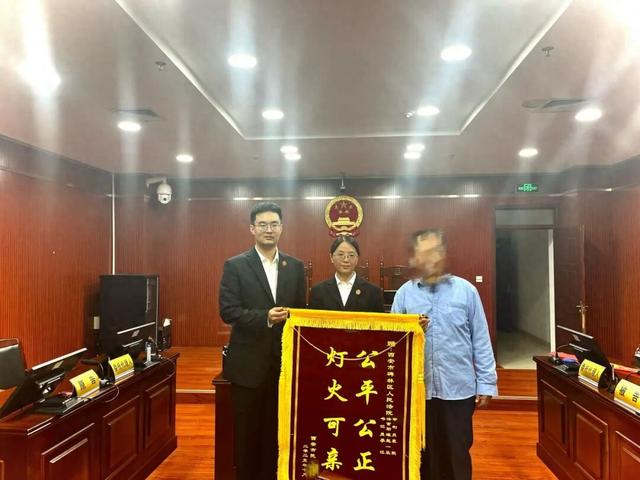
Core Viewpoint - A long-standing contract dispute lasting eight years has been resolved in favor of the plaintiff, highlighting the importance of evidence in legal proceedings and the commitment of the judiciary to uphold justice [2][5][6]. Group 1: Background of the Dispute - The dispute originated in 2016 when the plaintiff began supplying goods to the defendant based on mutual trust, which deteriorated after the defendant issued a promissory note for unpaid debts [2]. - Over the years, the plaintiff made numerous attempts to collect the debt, which grew significantly, leading to a legal battle over a total amount exceeding 30,000 yuan [2]. Group 2: Court Proceedings - The defendant did not appear in court, prompting the judge to emphasize the need for evidence to clarify the facts of the case [3]. - The court meticulously examined the authenticity of the promissory note, the completeness of the WeChat chat records, and the relevance of transfer receipts, with the acknowledgment of the debt in the chat records being crucial for establishing a factual contract relationship [3][5]. Group 3: Court Judgment - The court concluded that despite the absence of a written contract, sufficient evidence existed to confirm a de facto sales contract, with the defendant found liable for breach of contract due to prolonged non-payment [5]. - The court ordered the defendant to pay the overdue amount of 32,376 yuan along with interest calculated from November 2017, reflecting the value of time and the judiciary's commitment to uphold integrity in transactions [5]. Group 4: Community Impact - The plaintiff expressed gratitude towards the court's fair judgment by presenting a banner, symbolizing recognition of the court's dedication to serving the public and addressing community concerns [6]. - The court aims to continue its mission of "people-centered" justice, ensuring that citizens experience fairness and justice in every legal case [6].
自然资源法治宣传教育月 | 陕西略阳局:绘就法治建设新画卷
Zhong Guo Zi Ran Zi Yuan Bao· 2025-12-06 12:41
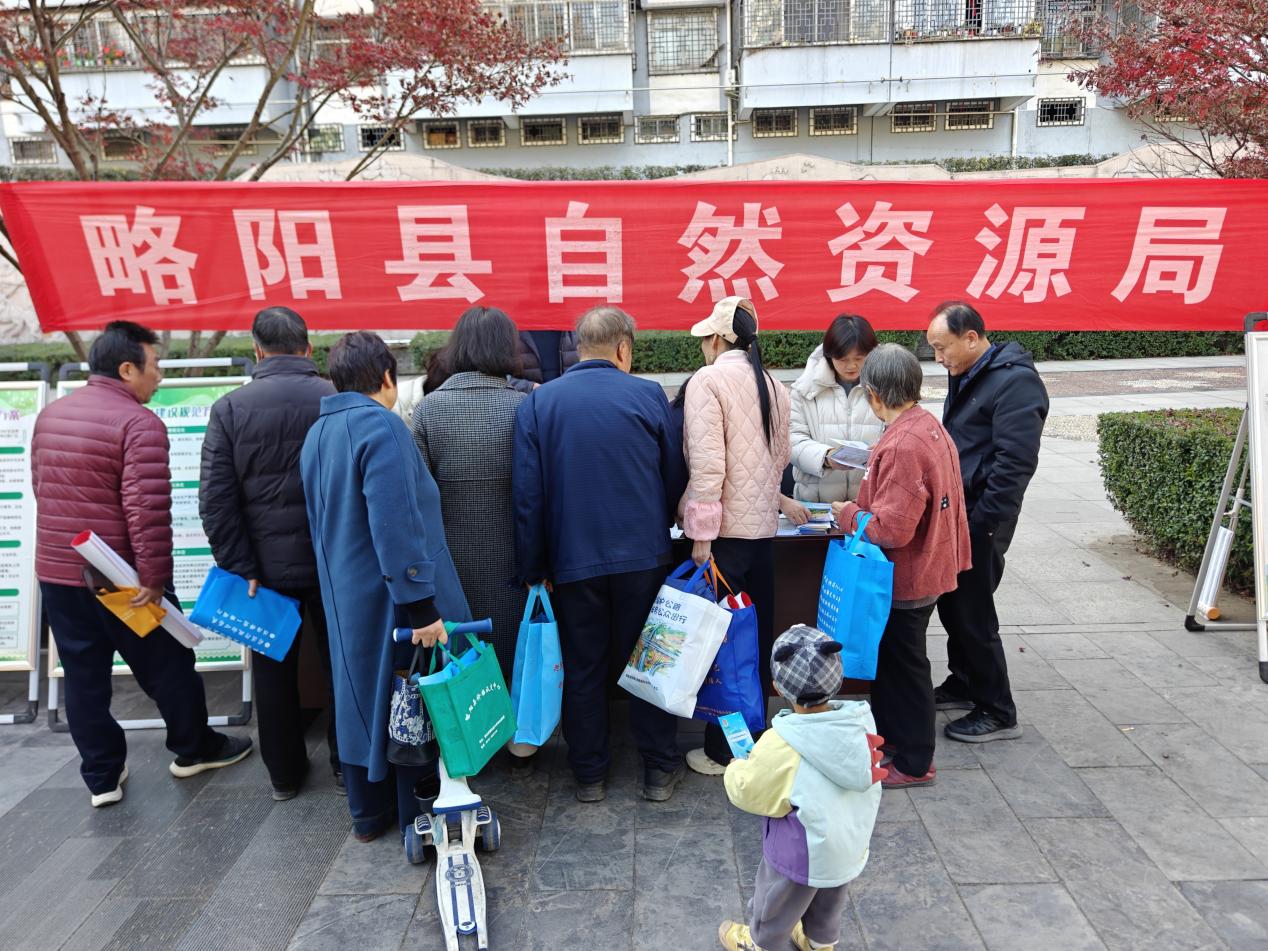
Group 1 - The core theme of the event organized by the Shaanxi Province Lueyang County Natural Resources Bureau is to promote the understanding and implementation of Xi Jinping's rule of law thought and deepen the awareness of the Constitution [1] - The event served as a bridge connecting the government and the public, with over 150 attendees receiving answers to their inquiries regarding natural resource policies, geological disaster prevention, property registration processes, farmland protection, and land acquisition policies [1] - The staff demonstrated professionalism and enthusiasm, making complex legal concepts accessible and understandable to the public [1] Group 2 - To further instill the spirit of the Constitution and natural resource laws, the Lueyang County Natural Resources Bureau innovated its promotional methods by setting up multiple outreach points, creating a "legal classroom" atmosphere for the community [2] - Various promotional materials were distributed, including over 1,500 brochures and souvenirs, which serve as both a gift of knowledge and a seed of legal awareness among the public [2] - The diverse and engaging nature of the promotional activities successfully integrated the spirit of the Constitution into the daily lives of the community, fostering a culture of legal awareness [2]
苏州市开展“文明实践 净美城市”行动4个多月来成效显著
Su Zhou Ri Bao· 2025-11-09 22:48
Group 1 - The article highlights the "Clean Home Day" initiative in Suzhou, which aims to enhance community cleanliness and environmental awareness through volunteer efforts [1][2] - The initiative has been ongoing since June, with significant participation from various stakeholders including property companies, residents, and volunteers, leading to noticeable improvements in urban cleanliness [1] - The event is now scheduled for the second Sunday of each month to ensure sustained efforts in promoting a "Civilized Practice and Beautiful City" campaign [1] Group 2 - In the Jiangxing community, a team of 40 volunteers, including party members and sanitation workers, actively cleaned the area, demonstrating strong community involvement [2] - The article emphasizes the importance of public spaces like transportation hubs in maintaining city image, with specific actions taken to address littering and improper parking [2] - Community leaders and long-term residents are taking the lead in volunteer activities, showcasing a collective effort to maintain cleanliness and promote environmental awareness [3] Group 3 - The article discusses the role of educational initiatives in promoting cleanliness, with community staff engaging residents through interactive activities and distributing informational materials [3] - University student volunteers are also involved in both cleaning efforts and educational outreach, highlighting the importance of youth participation in community service [3] - The overall sentiment reflects a strong community spirit and a shared responsibility for maintaining a clean urban environment [3]
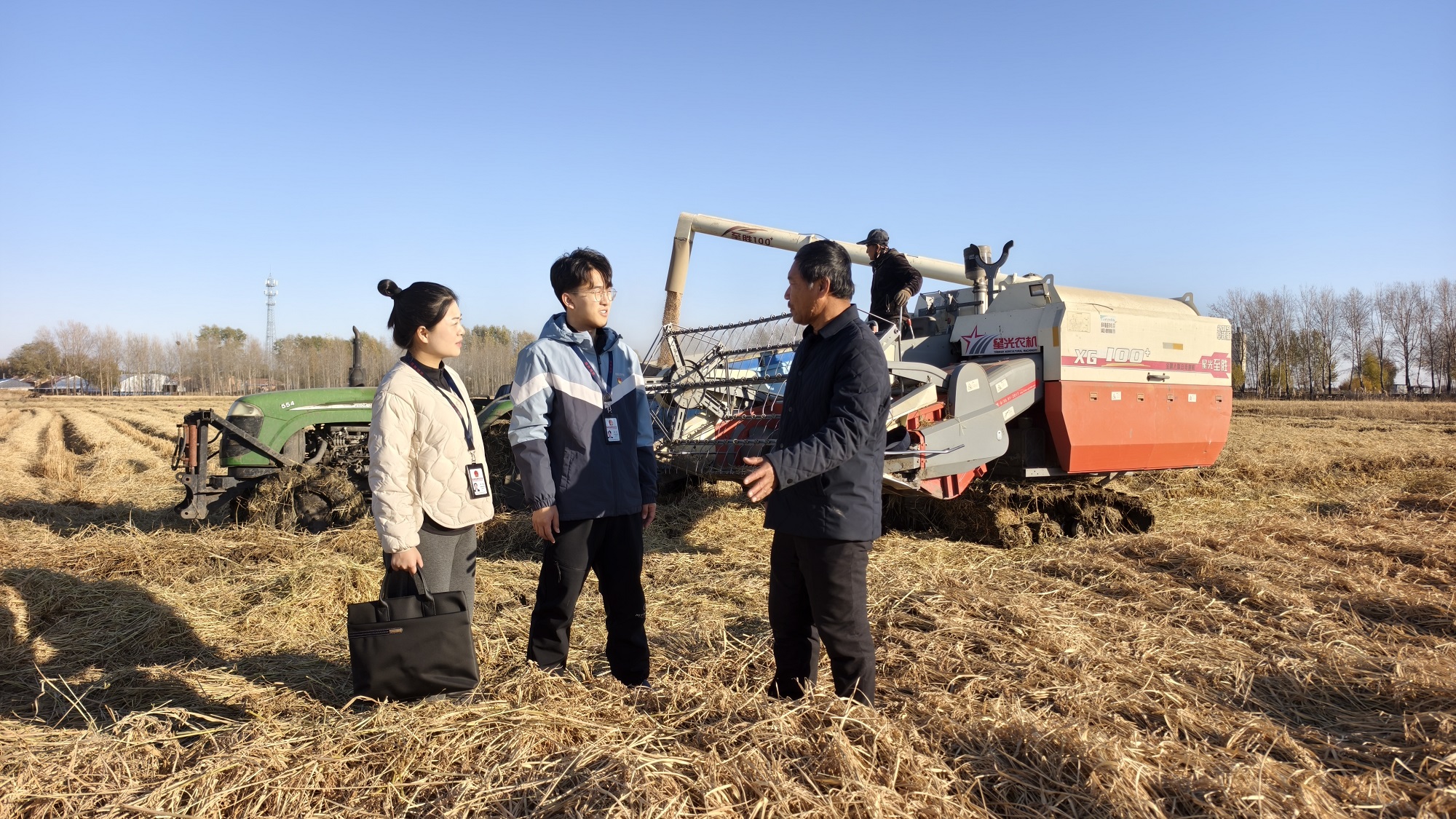
黑龙江齐齐哈尔市县乡村四级联动靶向发力整治突出问题 构建“三资”防线
Zhong Yang Ji Wei Guo Jia Jian Wei Wang Zhan· 2025-11-04 00:35
Core Viewpoint - The article emphasizes the importance of systematic governance and supervision of rural collective "three assets" (funds, assets, resources) management in Qiqihar City, Heilongjiang Province, to ensure the effective use of rural collective resources and support rural revitalization efforts [5][14]. Group 1: Governance and Supervision Initiatives - Qiqihar City has initiated a comprehensive rectification of prominent issues in rural collective "three assets" management, focusing on responsibility implementation and establishing a collaborative governance framework among various levels of government [6][12]. - The city has adopted a "four systems" approach (leadership responsibility system, work promotion system, assessment and evaluation system, and supervision accountability system) to enhance the effectiveness of governance [7]. - A total of 124 townships and 1,501 village collective economic organizations are covered in the rectification efforts, with a focus on significant issues such as asset mismanagement and irregularities in fund handling [7][10]. Group 2: Financial Recovery and Problem Rectification - Since the initiation of the rectification work, Qiqihar City has recovered funds amounting to 15.71 million yuan, assets worth 8.34 million yuan, and resources covering 107,400 acres, totaling 23.88 million yuan [8]. - The city has issued 169 work reminder letters, reported 59 times, and conducted 30 interviews to ensure problem rectification, successfully addressing 5,171 issues [8][12]. - A systematic problem ledger has been established, with clear accountability and deadlines for rectification, ensuring that issues are resolved effectively [7][12]. Group 3: Community Engagement and Education - The city has strengthened grassroots supervision by selecting and training 149 village supervision committee members to enhance oversight of village affairs [9]. - Various educational initiatives, including the organization of court hearings for local party leaders involved in misconduct, have been implemented to raise awareness and deter future violations [12][13]. - The use of case studies and educational materials has been emphasized to inform local officials about the importance of compliance and ethical governance [13][14]. Group 4: Technological Integration and Transparency - Qiqihar City has leveraged information technology to improve regulatory efficiency, implementing a five-level interconnected trading system for rural property transactions [11]. - A total of 236,600 business transactions have been processed through the platform, with a transaction value of 3.31 billion yuan, promoting transparency in the management of rural collective resources [11]. - The city is committed to addressing issues such as fund misappropriation and illegal occupation of collective assets through continuous monitoring and technological advancements [11][12].