
审计

Search documents
就生物资产、商誉审计,江苏证监局总结了主要问题、提出监管要求!
梧桐树下V· 2026-03-11 12:06
Core Viewpoint - The article emphasizes the high audit risks associated with biological assets and goodwill, highlighting the need for enhanced regulatory measures to improve audit quality and the reliability of financial information [1][6]. Group 1: Biological Asset Audit - Biological assets are characterized by strong life activity, rapid dynamic changes in quantity and value, and high natural risks, making them a challenging area for audit verification [1][6]. - Key issues identified in the audit of biological assets include inadequate risk assessment procedures, insufficient control testing, and ineffective substantive procedures [2][7]. - Specific problems include failure to identify significant misstatement risks related to biological assets, lack of control testing on critical lifecycle processes, and inadequate execution of monitoring procedures [8][9][10]. - Regulatory requirements emphasize the need for auditors to understand the specific types of biological assets and their operational models, implement control tests at key lifecycle points, and develop comprehensive monitoring plans [12][13][14]. Group 2: Goodwill Audit - Goodwill is a high-risk area for financial fraud, with significant management judgment involved in its initial recognition and subsequent measurement [18]. - Major issues in goodwill audits include inadequate verification of acquisition pricing, insufficient scrutiny of the commercial substance of transactions, and failure to properly assess impairment testing processes [19][20]. - Auditors are urged to thoroughly review acquisition agreements, valuation reports, and the rationale behind pricing to prevent potential profit manipulation through excessive premiums [23][24]. - Regulatory measures call for auditors to maintain professional skepticism, evaluate the appropriateness of goodwill allocation, and ensure the reliability of management's estimates and assumptions during impairment testing [25][26][28].


两会|中国会计学会副会长黄世忠:建议设立上市公司审计失败责任鉴定委员会
券商中国· 2026-03-06 09:54
Core Viewpoint - The current mechanism for determining audit failure responsibility in China's listed companies faces structural challenges, including diverse standards, discretionary disorder, and insufficient professional support, which undermines the authority and credibility of the accountability mechanism and constrains the high-quality development of the capital market [1] Necessity and Feasibility - There is a need for a unified audit failure responsibility identification mechanism to enhance the precision of accountability, stabilize professional expectations, and improve governance efficiency in the capital market [3] - The existing audit failure responsibility identification mechanism has defects, such as fragmented standards across different departments (e.g., CSRC, Ministry of Finance, judicial authorities) leading to inconsistent conclusions in similar cases [4] - The lack of uniform discretionary standards results in uncertainty, affecting the professional expectations of audit institutions and causing disproportionate accountability for audit failures [4][5] - Establishing an audit failure responsibility identification committee is necessary to provide solid evidence for civil claims by investors, guide audit institutions in fulfilling their responsibilities, and enhance the governance capacity of the capital market [5][6] Proposed Framework for the Committee - The proposed committee should be led by the Ministry of Finance, in collaboration with the CSRC, National Audit Office, Supreme People's Court, and Supreme People's Procuratorate, adopting a "permanent institution + dynamic expert pool" model [7] - The committee's work mechanism should include a clear identification scope for major audit failure cases, standardized procedures, and unified identification standards to ensure consistency in judgments [8] - The committee's opinions should serve as important references for administrative penalties, civil lawsuits, and criminal accountability, with a mechanism for reviewing dissenting opinions [8][9] Collaborative Mechanism - A collaborative mechanism should be established for information sharing, case transfer, and result sharing between the committee and relevant institutions, enhancing the overall regulatory effectiveness [9]

大信所及2名注会收警示函!涉知名上市公司财报审计!
梧桐树下V· 2026-03-04 07:49
Core Viewpoint - The article discusses the regulatory actions taken by the Chongqing Securities Regulatory Bureau against Da Xin Accounting Firm and its auditors for deficiencies in the audit of Sairis Group Co., Ltd.'s financial reports, highlighting significant issues in revenue recognition and audit procedures [1][3][4]. Group 1: Audit Issues - The audit firm failed to address the change in the timing of revenue recognition for domestic sales, leading to revenue being recognized in the wrong periods [1][3]. - There was a lack of careful evaluation regarding the appropriateness and consistency of the accounting treatment for transportation service revenue [1][3]. - The auditors did not identify irregularities in the recognition of certain revenues and failed to maintain reasonable professional skepticism regarding anomalies in confirmation processes [1][3]. Group 2: Compliance Violations - The actions of the audit firm and its auditors violated several provisions of the Chinese Certified Public Accountant Auditing Standards, including those related to overall objectives and basic requirements of audit work, risk identification, and audit evidence [3][4]. - The violations also contravened the relevant regulations of the Information Disclosure Management Measures for Listed Companies, specifically Articles 45 and 46 [4]. Group 3: Regulatory Actions - The Chongqing Securities Regulatory Bureau decided to issue a warning letter to Da Xin Accounting Firm and the signing auditors, which will be recorded in the securities and futures market integrity archives [1][4]. - The auditors are required to strictly adhere to the relevant auditing standards and enhance quality control and review processes to improve audit quality [4].


2025年中国经济破局谋新,乘势而上
EY· 2026-03-01 08:16
Economic Performance in 2025 - China's GDP surpassed 140 trillion RMB for the first time, growing by 5.0% year-on-year[6] - Final consumption expenditure contributed 52% to economic growth, an increase of 5 percentage points from the previous year[10] - Retail sales of consumer goods increased by 3.7%, with communication equipment sales rising by 20.9% due to the "old-for-new" policy[6] Investment and Trade Dynamics - Fixed asset investment decreased by 3.8%, while high-tech industries saw significant growth, with information services and aerospace manufacturing investments increasing by 28.4% and 16.9% respectively[21] - Total goods trade reached 45.47 trillion RMB, growing by 3.8%, with exports of industrial robots and high-end machine tools increasing by 48.7% and 21.5%[24] Outlook for 2026 - GDP growth target for 2026 is set between 4.5% and 5%, with a focus on stabilizing and improving quality[8] - Emphasis on domestic demand and innovation to drive economic transformation, with policies aimed at enhancing consumer income and expanding service consumption[32] - Continued investment in high-end equipment, renewable energy, and AI is expected to reshape investment structures[32] Risk Management and Policy Measures - Central government policies will focus on urban renewal and managing local government debt risks, with an emphasis on diverse operational models for urban projects[36] - The implementation of a carbon emissions trading market aims to integrate carbon reduction into economic indicators, pushing companies to incorporate sustainability into their strategic decisions[36]
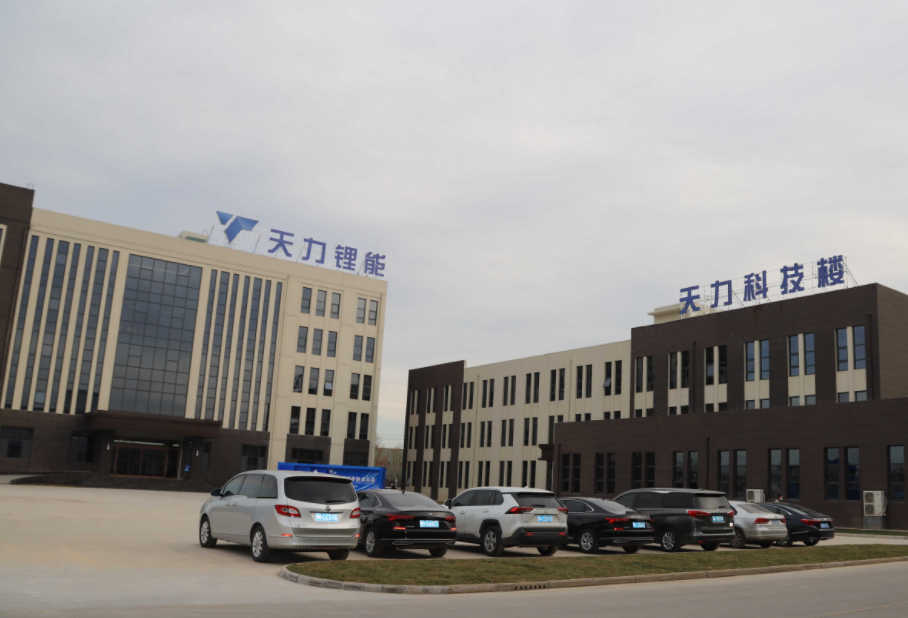
深交所连发监管函,直指天力锂能审计与评估执业问题
Ju Chao Zi Xun· 2026-02-15 07:13
Core Viewpoint - The Shenzhen Stock Exchange has issued regulatory letters to Tianli Lithium Energy Group Co., Ltd. and related auditing and asset evaluation firms due to multiple professional misconducts during the audit and asset evaluation processes for the 2024 annual report [2] Group 1: Audit Project Issues - Tianjian Accounting Firm and signing accountants Liang Yiming and Yin Lulu faced six major issues in the audit of Tianli Lithium's 2024 annual report, including inappropriate selection of materiality benchmarks and inadequate execution of key audit procedures [3] - Specific audit deficiencies included failure to verify key parameters during asset impairment testing, incomplete execution of confirmation procedures for bank account balances, and lack of reliable evidence for revenue recognition [3] - Additional issues involved inadequate procedures for inventory audits and research and development expenses, with missing signatures on key documents and incomplete records [3] Group 2: Asset Evaluation Issues - Beijing Yatai Lianhua Asset Evaluation Co., Ltd. and evaluators Song Xiaowen and Yang Congling encountered errors in parameter selection and calculations during the asset evaluation project for Tianli Lithium [4] - Notable mistakes included incorrect discount rate calculations, erroneous selection of urban construction tax rates, and inaccuracies in capital expenditure amounts and land use index calculations [4] - Errors also extended to data predictions and records, such as depreciation and amortization forecasts, and inaccuracies in the historical operating conditions of the evaluated entity [5] Group 3: Regulatory Response - The Shenzhen Stock Exchange emphasized that the actions of the involved firms violated the listing rules and called for immediate corrective measures to prevent recurrence of such issues [5]
北京证监局公布审计、评估机构被处理的4个典型案例!
梧桐树下V· 2026-02-13 16:05
Core Viewpoint - The article discusses the regulatory actions taken by the Beijing Securities Regulatory Bureau regarding accounting and evaluation practices, highlighting the need for improved audit procedures and compliance among accounting firms and asset evaluation institutions in the region [1]. Summary by Sections Regulatory Actions - In the fourth quarter of 2025, the China Securities Regulatory Commission and its local agencies issued 6 administrative penalty decisions involving 6 accounting firms and 22 certified public accountants. Additionally, 16 administrative regulatory measures were issued, affecting 16 accounting firms and 34 certified public accountants. For asset evaluation institutions, 3 administrative regulatory measures were issued, involving 3 institutions and 6 evaluators [4]. Case Studies - **Case 1: Sales Expense Audit Procedure Deficiencies** - The auditor for Company A identified issues in the sales expense audit, including incomplete evidence collection, failure to analyze significant discrepancies in payroll and revenue, and inadequate verification of advertising expenses [5]. - **Case 2: Contract Inspection Procedure Deficiencies** - The auditor for Company B failed to adequately assess the impact of return policies on revenue recognition, did not investigate inventory issues at downstream companies, and conducted a superficial review of contracts [6]. - **Case 3: Revenue and Accounts Receivable Audit Procedure Deficiencies** - The auditor for Company C did not analyze unusual revenue recognition patterns, lacked effective control over accounts receivable confirmations, and failed to address discrepancies in delivery documentation and third-party payment arrangements [8]. - **Case 4: Inventory Audit Procedure Deficiencies** - The auditor for Company D did not obtain sufficient evidence regarding inventory changes between the balance sheet date and the physical count date, despite significant inventory levels [9].

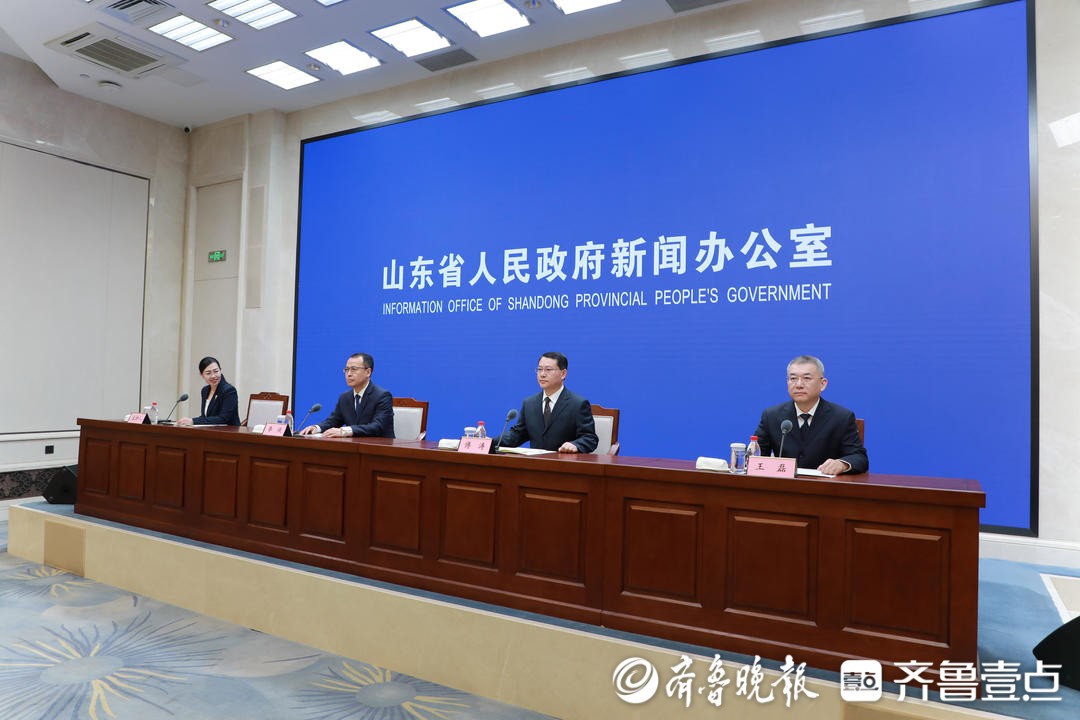
变“大海捞针”为“精准撒网”,山东全面推进智能审计
Qi Lu Wan Bao· 2026-02-10 09:05
Group 1 - The Shandong Provincial Audit Office is focusing on integrating digital strategies into auditing processes, emphasizing "new data, new technology, new models, and new scenarios" to advance intelligent auditing [3] - The office has launched an action plan for comprehensive intelligent auditing, aiming to create a smart auditing system that integrates data resources, operational platforms, and big data applications [3] - The development of the AI auditing model "Luzhi Audit" is a key initiative, enhancing core functions like intelligent analysis and early warning systems, while reducing technical barriers for big data applications [3][4] Group 2 - The Shandong audit authority is implementing a digital auditing approach that prioritizes data analysis, enabling a systematic method for identifying and investigating anomalies [4] - A dual-audit model combining business and data analysis is being adopted, allowing for collaborative efforts across regions and enhancing the overall efficiency of audit operations [4] - The shift towards non-site digital auditing is being explored, focusing on dynamic checks of identified issues and utilizing risk warning models to proactively identify economic risks [4]
从“接单”到“避险”:严监管下2家审计机构1月底“撤离”
2 1 Shi Ji Jing Ji Bao Dao· 2026-02-04 12:28
Group 1 - The core issue is the difficulty faced by certain listed companies in finding new auditing firms, leading to increased delisting risks as the annual report disclosure deadline approaches [1][2][4] - As of February 2, 2026, two companies, *ST Haihua and *ST Sailong, have not secured new auditors after their previous firms resigned, raising concerns about their ability to disclose annual reports on time [2][4] - A total of eight companies have changed auditors since the beginning of 2026, with many of them showing signs of financial distress and having been flagged for potential delisting [1][5] Group 2 - The resignation of auditing firms often reflects their cautious approach towards companies with high audit risks, potentially due to issues like financial fraud or operational difficulties [3][6] - Companies that fail to secure new auditors risk receiving non-standard audit opinions or missing the legal deadline for annual report disclosures, which could lead to delisting [3][4] - The trend of frequent auditor changes during the critical reporting period indicates underlying operational challenges and heightened audit risks for the affected companies [7]
地方两会|上海市政协委员卢华基:鼓励本土事务所“随企出海”,构建开放共治的专业服务生态
Zhong Guo Jing Ying Bao· 2026-02-03 17:40
Core Insights - The article emphasizes the need for Chinese companies to enhance their "going global" strategies, focusing on compliance and sustainable operations in international markets [1][2] Group 1: Policy and Strategic Development - The Shanghai Municipal Political Consultative Conference highlighted the importance of improving the "going out" policy framework to support Chinese enterprises in their global expansion [1] - A report indicates that nearly 30% of listed companies in the Yangtze River Delta region had an average overseas revenue share exceeding 20% from 2021 to 2023, showcasing strong globalization performance [2] - The Shanghai government is implementing an action plan to create a world-class business environment, supporting mechanisms for international operations and enhancing services for companies going abroad [2][3] Group 2: Professional Services and Compliance - There is a growing demand for specialized services in overseas market layout, cross-border financing, and risk management as companies transition from product export to global operations [2] - The establishment of a comprehensive service platform for enterprises going global is planned, which will integrate various governmental and professional service resources [3] - Companies must adapt to the legal and accounting requirements of target markets to ensure compliance and mitigate risks [4] Group 3: Recommendations for Service Improvement - Recommendations include enhancing government service efficiency, standardizing professional services, developing compliance technology, and creating an open professional service ecosystem [5] - A "one-stop" service model is proposed to streamline processes for companies, reducing redundancy and improving the overall experience [5] - The establishment of a knowledge base for tax systems, accounting standards, and audit regulations is suggested to help companies identify high-risk issues in advance [5] Group 4: Professional Support - The role of accounting, auditing, and tax professionals is crucial in assisting companies to navigate global competition effectively [6]
荣成市审计局“四策同施”提升行政事业资产管理质效
Xin Lang Cai Jing· 2026-02-03 16:43
Core Insights - The audit bureau of Rongcheng City has intensified the auditing of administrative and public assets in 2024, enhancing the management quality and efficiency of these assets through a comprehensive asset management mechanism [1] Group 1: Asset Clarity and Management Foundation - The bureau utilized big data auditing technology to compare asset, financial, and budget data from 241 departments, revealing discrepancies such as unprocessed assets awaiting disposal and unclear asset ownership [1] - 27 departments were urged to standardize asset management system registrations and handle asset disposal procedures, ensuring accurate asset accounting and clear ownership [1] Group 2: Enhancing Asset Efficiency - A special audit on vehicle management identified issues of underutilized public vehicles, leading to the recovery of 4 vehicles from 3 departments and urging 8 departments to process 10 vehicles for disposal [2] - Recommendations included creating a shared asset database and improving information dissemination mechanisms to enhance asset utilization [2] Group 3: Comprehensive Asset Lifecycle Management - The audits focused on the entire asset lifecycle, uncovering issues such as unauthorized purchases and uncollected rental income, prompting timely asset transfer and disposal actions [2] - 34 units were encouraged to process the harmless disposal of electronic products, and 1,043 million yuan in rental income was collected [2] Group 4: Strengthening Asset Management Regulations - The audit revealed gaps in asset management systems and responsibilities, leading to the revision of three regulatory documents aimed at optimizing asset management processes [3] - The bureau's efforts resulted in improved management mechanisms for administrative public assets, effectively translating audit findings into enhanced management efficiency [3]