社会公正

Search documents
最高检:持续深化和规范检务公开
Xin Hua She· 2026-02-19 02:57
Group 1 - The Supreme People's Procuratorate (SPP) aims to deepen and standardize public prosecution services, enhancing the breadth, precision, and depth of transparency to better meet public expectations for fairness and justice [1] - Since 2025, the SPP has organized three open day activities focusing on themes such as the implementation of the Civil Code, comprehensive judicial protection for minors, and supervision of criminal penalties, utilizing a four-level linkage approach [1] - Local procuratorial agencies have also conducted various open day activities tailored to their specific circumstances, promoting transparency and public engagement [1] Group 2 - The SPP regularly publishes information on similar case handling, including issues like infringement of personal information, medical insurance fraud, environmental pollution, and food and drug safety [1] - Since 2020, the SPP has released 22 batches of 58 categories of case information, with 4 batches and 11 categories published in 2025 alone [1] - The publication of similar cases not only highlights legal risks but also promotes social justice through judicial fairness, reflecting the SPP's commitment to its responsibilities [1]
特别策划 | 当光环代代相传,那些平凡的追梦人该如何突围?
Xin Lang Cai Jing· 2025-12-21 13:44
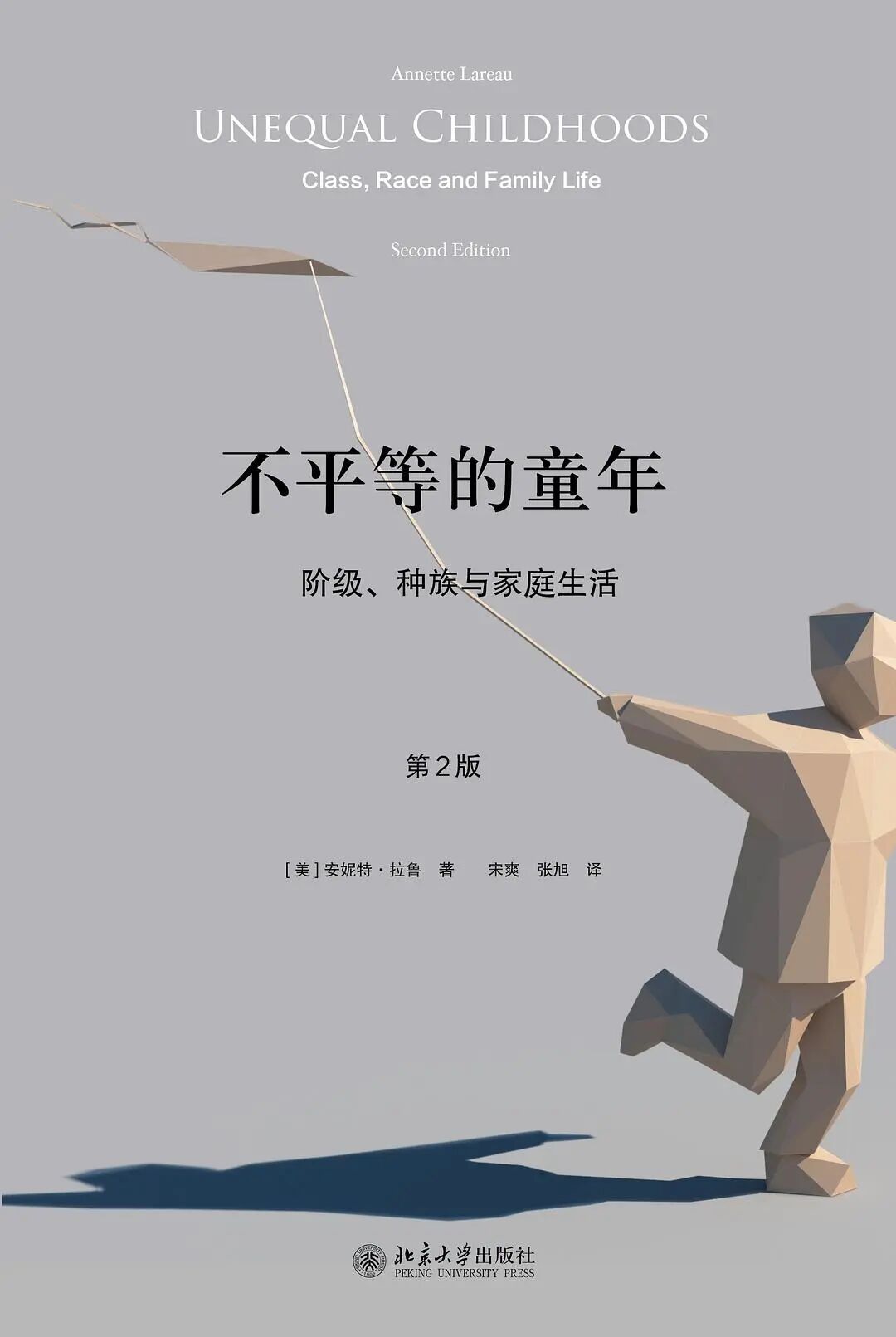
Group 1 - The core issue revolves around the phenomenon of "second-generation stars" in the entertainment industry, questioning whether their inherited advantages align with their personal skills and professionalism [1] - The public criticism intensifies when "second-generation stars" are perceived to lack the professional capabilities or efforts that correspond to their familial endorsements [1] - In traditional arts, "inheriting a profession" often entails rigorous training and early mastery, contrasting with the current entertainment landscape where social prestige is directly converted into commercial opportunities for the next generation [1] Group 2 - The book "Unequal Childhoods" by sociologist Annette Lareau explores different parenting styles across various socioeconomic backgrounds, emphasizing that parenting is a form of "concerted cultivation" [3] - Lareau's research indicates that the parenting approach significantly impacts children's experiences in school and society, highlighting the invisible yet powerful influence of parental social status on children's life trajectories [3] Group 3 - The concept of the "American Dream" is critiqued as a myth that fosters division in society, where the belief that hard work guarantees success leads to elitism and resentment among lower classes [6][7] - The author Michael Sandel encourages citizens to reflect on the nature of education, the value of work, and the definition of success, advocating for a more inclusive public discourse [7] Group 4 - Daniel Markovits, in "The Meritocracy Trap," argues that the meritocratic ideals have led to class division and structural imbalance, where success is often attributed to personal effort rather than inherited privilege [11] - The book reveals how meritocracy has created a concentration of privilege and wealth among elites while marginalizing lower-skilled workers, calling for a reevaluation of educational competition [11] Group 5 - "The Stigma Trap" by Ofer Sharone examines the lives of unemployed individuals, challenging the notion that unemployment is a personal failure and advocating for a redefinition of value and fairness in society [16] - The book provides insights into the shared experiences of job loss, emphasizing that societal biases contribute to the stigma surrounding unemployment [16]

“全球治理倡议是对全人类的行动号召”
人民网-国际频道 原创稿· 2025-10-17 05:32
Core Viewpoint - Nicaragua's National Assembly unanimously passed a decree supporting the global governance initiative, reflecting the deepening strategic partnership between Nicaragua and China, and recognizing President Xi Jinping's contributions to world peace and development [1][2] Group 1: Global Governance Initiative - The global governance initiative emphasizes the principles of equality and sovereignty, asserting that all countries, regardless of size or economic power, should enjoy equal rights [1] - The initiative's five core concepts include upholding sovereign equality, adhering to international law, practicing multilateralism, advocating for a people-centered approach, and focusing on action-oriented outcomes [1] Group 2: China's Role and Contributions - China has demonstrated its commitment to global governance through concrete actions, particularly in addressing major issues like food security, public health, and climate change [2] - Nicaragua has engaged in various projects with China, including emergency disaster relief, public health, and agricultural development, which are expected to gain momentum from the global governance initiative [2] - The Chinese approach to global cooperation is characterized by a focus on welfare and progress, without imposing conditions or engaging in aggression [2] Group 3: Importance of Developing Countries - Developing countries, particularly in Latin America and the Caribbean, are seen as crucial players in implementing the global governance initiative, possessing significant growth potential and innovation capacity [2] - The initiative is anticipated to serve as a banner for uniting nations to combat poverty and firmly uphold sovereignty in the region [2]
全球最大老赖:欠中国65000万亿,平均欠每人4600元,拒绝归还?
Sou Hu Cai Jing· 2025-10-07 08:59
Core Viewpoint - The staggering debt of 65 trillion yuan poses not only an economic challenge but also a serious question of social responsibility and national credibility [1][3][5] Debt Overview - The debt burden translates to approximately 4,600 yuan per person in China, highlighting the widespread impact on the population [1] - This debt exceeds the annual GDP of many countries and is nearly equivalent to China's total economic output for a year, representing an unprecedented financial crisis [1] Credibility and Trust Issues - The behavior of the debtor is likened to that of a reckless gambler, testing the limits of legal and regulatory frameworks, which undermines the integrity of the entire social credit system [3][5] - The situation is not merely an individual issue but a significant challenge to the national credit and integrity of the economic system [3][6] Legal and Regulatory Response - The resolution of this debt crisis hinges on the robust enforcement of laws, indicating that evasion will ultimately fail [5][6] - Strengthening financial regulation and closing institutional loopholes are urgent priorities to prevent similar issues in the future [5] National Commitment - The debt recovery effort symbolizes not just a legal battle but also a manifestation of national will, reinforcing the commitment to uphold economic order and integrity [6]

环球人物:李在明当选韩国第21届总统
人民网-国际频道 原创稿· 2025-06-04 05:40
Core Viewpoint - Lee Jae-myung, the candidate from the Democratic Party, has been elected as the 21st President of South Korea, marking a significant milestone in his political career characterized by resilience and challenges [1] Background and Early Life - Lee Jae-myung was born on December 22, 1964, in a poor family in Andong, Gyeongsangbuk-do, as the fifth of seven siblings. He dropped out of school due to financial difficulties and began working in factories at the age of 13, suffering multiple injuries that left him with a lifelong disability [2] - Despite his hardships, he self-studied and graduated with a law degree from Chung-Ang University, passing the bar exam in 1986, which led to his career as a labor rights lawyer and social activist [2] Political Career - Lee began his political journey by advocating for the rights of marginalized groups and became a symbol of social justice. He was first elected as the mayor of Seongnam in 2010 and implemented innovative social welfare policies, successfully reversing the city's financial crisis [3] - He was elected as the governor of Gyeonggi Province in 2018 and later became a prominent advocate for broader social policies after entering the National Assembly in 2022 [3] Political Ideology and Support - Lee is known as the "Labor President," with his governance philosophy rooted in his experiences from the lower social strata, emphasizing fairness, justice, and an inclusive society. His commitment to the belief that "no one should be left behind" has garnered significant support from youth and progressive voters [5] Political Rivalry and Challenges - In the 2022 presidential election, Lee narrowly lost to Yoon Suk-yeol by just 0.73 percentage points. However, he was elected to the National Assembly later that year and became the leader of the Democratic Party with a high approval rating [7] - Lee's political rivalry with Yoon escalated, leading to significant events such as the "123 Martial Law Incident," where he actively opposed Yoon's government actions and called for public mobilization through social media [8][9] Legal and Economic Challenges - Despite his political achievements, Lee faces serious legal challenges, with multiple corruption and abuse of power allegations since 2018. Analysts suggest these charges may be politically motivated, reflecting the intense struggles within South Korea's political landscape [9] - As president, Lee is confronted with economic challenges, including a projected GDP growth of only 0.8% for 2024 and high youth unemployment rates. He has proposed policies such as "basic income for youth," support for entrepreneurship, and increased public housing supply to address these issues [10] Foreign Relations Strategy - Lee emphasizes a "national interest first" approach in foreign policy, aiming to strengthen the South Korea-U.S. alliance and improve relations with Japan while maintaining a focus on regional stability. He also seeks to enhance ties with China and Russia and expand strategic cooperation with global southern countries and ASEAN [11]