
私盘对赌

Search documents
三家黄金珠宝公司被查处
Sou Hu Cai Jing· 2025-10-13 04:19
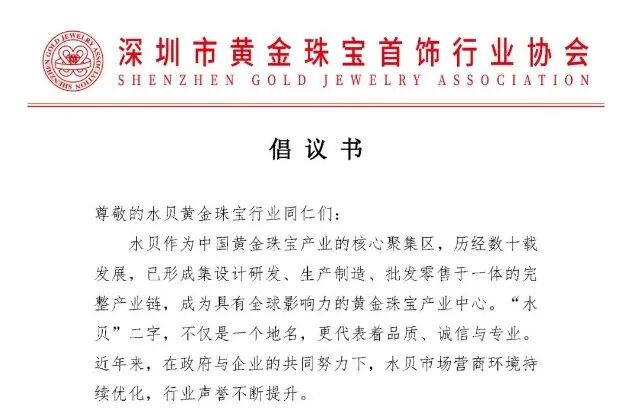
Core Insights - The Shenzhen Gold and Jewelry Association issued a warning regarding three gold jewelry companies in the Shui Bei area, which were found to be involved in illegal gambling activities disguised as gold trading [1] - The companies were conducting "non-physical gold betting" through online platforms, leading to serious legal consequences for their executives and staff [1] - The warning highlights the risks posed by certain companies that exploit the gold trading facade to lure customers into high-leverage betting transactions, disrupting market order and damaging the industry's reputation [1] Industry Developments - Recent strong performance in international gold prices has seen the price per gram of Shui Bei gold jewelry exceed 900 yuan [2] - The high gold prices have led to changes in consumer behavior, with increased disputes arising from borrowing, selling, and consignment practices within the gold jewelry sector [2] - The association's secretary general, Zhang Wenyang, encourages merchants to use legitimate hedging tools to mitigate price volatility risks and is advocating for enhanced industry self-regulation and transaction model optimization [2] - The association also emphasizes the inherent risks in precious metal investments and advises investors to make informed and prudent decisions based on reliable information [2]
三家黄金珠宝公司被查!
券商中国· 2025-10-12 23:21
Core Viewpoint - The Shenzhen Gold and Jewelry Association has issued a warning regarding illegal activities in the gold trading sector, specifically highlighting the involvement of three companies in online gambling disguised as gold trading [1] Group 1: Industry Issues - Three gold jewelry companies in Shenzhen's Shui Bei area have been investigated for allegedly engaging in illegal gambling activities under the guise of gold trading [1] - The companies were found to be conducting "non-physical gold betting" through online platforms, which constitutes a violation of the law [1] - The warning indicates that these activities have severely disrupted market order and tarnished the reputation of the gold jewelry industry [1] Group 2: Market Conditions - The international gold price has shown strong performance, with the price per gram of gold in Shui Bei exceeding 900 yuan [2] - The high gold prices have led to changes in consumer behavior, with increased disputes arising from borrowing, selling, and consignment practices in the gold jewelry sector [2] - The association's secretary-general encourages merchants to use legitimate hedging tools to mitigate price volatility risks and is advocating for enhanced industry self-regulation and transaction model optimization [2]


深圳水贝三家黄金珠宝公司涉赌被查
Sou Hu Cai Jing· 2025-10-12 13:10
Group 1 - The Shenzhen Gold and Jewelry Industry Association issued a warning letter regarding three gold jewelry companies in the Shui Bei area, which have been investigated for suspected illegal gambling activities disguised as gold trading [1] - The warning letter highlighted that these companies engaged in "non-physical gold betting" through online platforms, which constitutes illegal gambling, leading to criminal charges against key personnel [1] - The investigation revealed that some gold merchants in the Shui Bei area were involved in high-leverage betting transactions, significantly deviating from normal gold jewelry business practices and disrupting market order [1] Group 2 - International gold prices have surged, with the price per gram of gold jewelry in Shui Bei exceeding 900 yuan, prompting changes in consumer behavior [2] - The gold jewelry industry is facing risks from practices such as borrowing, consignment, and private betting, which have led to disputes [2] - The Shenzhen Gold and Jewelry Industry Association is encouraging merchants to use legitimate hedging tools to manage price volatility risks and is promoting self-regulation and transaction model optimization within the industry [2]
深圳水贝黄金料商“跑路”事件后续来了!
Zheng Quan Shi Bao· 2025-09-27 12:24
Core Viewpoint - The Shenzhen water bay area is experiencing operational anomalies among over ten gold material merchants, raising concerns about potential risks in the gold investment market [1][5]. Group 1: Market Situation - In mid-September, rumors emerged regarding operational issues among gold material merchants in Shenzhen's water bay area, with some businesses reportedly vacated [1]. - The Shenzhen Gold and Jewelry Industry Association issued a statement highlighting that some merchants are engaging in illegal "gold investment" activities disguised as physical gold trading, which poses significant risks such as high leverage and potential funding chain disruptions [1][3]. Group 2: Industry Response - The association called for compliance with regulations, urging merchants to avoid illegal operations and any form of disguised futures trading or high-leverage gambling [3]. - It emphasized the importance of risk awareness, careful selection of partners, and thorough due diligence to prevent associated risks [3]. Group 3: Industry Characteristics - Shenzhen's water bay area is the largest gold jewelry processing base in China, generating several hundred billion yuan in annual processing output [4]. - Gold material merchants primarily act as suppliers, recovering large amounts of old gold bars and jewelry, refining them into standard gold plates for resale to retailers [4]. Group 4: Price Trends and Risks - Recently, international gold prices have shown strong performance, with local gold jewelry prices exceeding 850 yuan per gram [5]. - The market has seen disputes arising from borrowing, selling, and consignment practices, with past incidents of merchants absconding with significant amounts of gold [5]. - Industry experts indicate that the recent issues stem from a shift in the role of gold material merchants from "traders" to "speculators," highlighting a lack of modern risk control mechanisms in the market [5].
深圳水贝料商“再出事”:黄金场外交易的冰山一角?
经济观察报· 2025-09-16 13:13
Core Viewpoint - The article discusses the recent closure of several gold trading companies in Shenzhen's Shui Bei area, questioning why these businesses, which should be profiting from high gold prices, are facing shutdowns and financial troubles [2][4]. Group 1: Company Closures - Multiple gold trading companies, including Junhao and Yuebaoxin, have closed their offices, with reports of police involvement and a growing list of companies allegedly "running away" with funds [2][4]. - The Shenzhen Gold and Jewelry Association has attempted to clarify that the rumors of widespread company failures are exaggerated, stating that only a few companies are experiencing issues [2][4]. Group 2: Trading Model - The article highlights a long-standing trading model in Shui Bei known as "private betting," where gold traders act more like "gamblers" betting on gold price movements rather than traditional traders [3][6]. - This model involves locking in prices with clients while delaying the actual delivery of gold, creating a time gap that allows for speculative trading [8][10]. Group 3: Financial Risks - As gold prices have risen significantly, traders who bet on price declines have faced severe financial losses, leading to the collapse of some companies [12][13]. - The leverage in the trading model has increased, with fixed deposit amounts becoming riskier as gold prices rise, resulting in substantial financial strain on smaller traders [13][24]. Group 4: Industry Impact - The fallout from these closures has not only affected the companies involved but has also caused economic losses for businesses in the supply chain, with reports of significant losses for some gold shops [15][16]. - The incident has led to a loss of trust in the industry, with many traders now demanding cash transactions instead of credit, increasing operational costs for smaller businesses [24][25]. Group 5: Regulatory Environment - The article points out the lack of regulatory oversight in the Shui Bei gold trading market, where many transactions occur outside of formal channels, creating a gray market that is prone to risks [6][24]. - Despite previous warnings from authorities about the risks associated with such trading practices, the same issues have resurfaced as gold prices continue to rise [26].
深圳水贝料商“再出事”:黄金场外交易的冰山一角?
Jing Ji Guan Cha Wang· 2025-09-16 12:20
Core Viewpoint - The recent closure of several gold trading companies in Shenzhen's Shui Bei area, including Junhao and Yuebaoxin, has sparked discussions about a potential crisis in the gold trading sector, particularly related to a risky trading model known as "private betting" on gold prices [1][2][3] Company Operations - Junhao and Yuebaoxin are identified as companies involved in gold trading, but their operations have been characterized by a lack of transparency and regulatory oversight, particularly in the area of gold recycling [4][18] - The companies have been accused of engaging in a trading model that deviates from traditional practices, focusing instead on speculative price betting rather than legitimate gold trading [2][9] Trading Model - The "private betting" model allows traders to lock in prices for gold without immediate delivery, creating a time gap that can lead to significant financial risks [6][10] - Instead of hedging against price fluctuations, these traders have been betting on price declines, which has backfired as gold prices have risen sharply [9][10] Market Impact - The failure of these companies has resulted in substantial financial losses for both the companies themselves and their clients, with reports of victims losing millions [11][12] - The incident has raised concerns about the stability of the gold trading ecosystem in Shui Bei, with many industry participants expressing a sense of inevitability regarding such crises [14][19] Regulatory Environment - The lack of clear regulatory oversight in the gold trading sector has allowed for the proliferation of risky trading practices, contributing to the current crisis [18][20] - Previous warnings from regulatory bodies have not effectively mitigated the risks associated with the trading practices in Shui Bei, indicating a need for more stringent enforcement [20]