黄金板料

Search documents
金价每克差400元!周大福买金和水贝拿货,真的不是同个东西?
Sou Hu Cai Jing· 2026-03-15 02:57
Core Insights - The article highlights the significant price discrepancies in the gold market across different sales channels, illustrating a complex pricing structure influenced by various factors such as raw material costs, craftsmanship, brand premiums, and operational expenses [1][3][4][10]. Pricing Discrepancies - On March 14, 2026, the retail price of gold jewelry at major stores like Chow Tai Fook was around 1580 CNY per gram, while the same gold was priced at approximately 1153.18 CNY per gram on the Industrial and Commercial Bank of China's app [1][3]. - In Shenzhen's Luohu district, the wholesale price for gold bullion was about 1212 CNY per gram, and the buyback price from dealers ranged from 1115 CNY to 1172 CNY per gram [1][8][10]. Cost Structure - The base cost of gold, as per the Shanghai Gold Exchange, fluctuated between 1121 CNY and 1131 CNY per gram on the same day, which is the price that retailers pay to refiners or exchanges [3][4]. - Additional costs include craftsmanship fees, which can range from 30 to 200 CNY per gram depending on the complexity of the design, and brand premiums associated with established names like Chow Tai Fook and Lao Feng Xiang [4][6]. Sales Models - The article discusses the "fixed price" sales model, where items are sold by piece rather than by weight, often leading to higher per gram prices. For instance, a 3D hard gold pendant priced at 5800 CNY could exceed 580 CNY per gram [6]. - Bank gold bars, which are simpler in design, are priced transparently based on the real-time gold price plus a small fee of 12 to 18 CNY per gram for production and operational costs [6][7]. Market Dynamics - The article emphasizes the role of the Shenzhen Water Bay market as a significant hub for gold trading, where prices are more aligned with international gold prices, providing a cost-effective option for consumers seeking value [8][15]. - The article notes that the gold recovery market serves as the ultimate judge of value, where all additional premiums and brand stories lose significance when gold is sold back [10][11]. Consumer Behavior - Different consumer segments are identified: those seeking jewelry for personal significance tend to buy from brand stores, while investors looking for asset preservation prefer bank gold bars or wholesale options for better pricing [13][15]. - A growing segment of price-sensitive consumers is increasingly researching wholesale options and learning to assess gold purity to maximize their value [13][15].


水贝违规预定价交易已叫停?专家:无实物交割即违规!
Xin Lang Cai Jing· 2026-02-27 03:26
Core Viewpoint - The Shenzhen local regulatory authorities have issued warnings against illegal gold trading activities, including pre-priced transactions, leveraged trading, and deferred trading, following multiple incidents of businesses defaulting in the market [1] Group 1: Regulatory Actions - Shenzhen's regulatory bodies have prohibited illegal gold trading activities, emphasizing the need for compliance in the market [1] - The warning comes in response to several businesses in the gold trading sector failing to meet their obligations, leading to increased scrutiny [1] Group 2: Market Changes - Prior to the regulatory warning, businesses could secure gold prices with a minimum order of 10,000 yuan for one kilogram of gold; however, this practice has shifted to requiring full payment at the time of transaction [1] - The shift to full payment reflects a growing concern for financial security over convenience among gold traders and consumers [1] Group 3: Expert Opinions - Experts suggest that transactions without physical gold may be classified as illegal under the new regulatory framework, indicating a potential shift in how gold trading is conducted in the future [1]
风险暴露仍拉国资入伙,杰我睿黄金局有何隐情?
第一财经· 2026-02-05 04:12
Core Viewpoint - The article discusses the financial difficulties faced by Shenzhen-based precious metals company Jie Wo Rui Jewelry Co., Ltd. (Jie Wo Rui) and its connections with a state-owned enterprise in Gansu, highlighting the risks and complexities in their operations and partnerships [2][3]. Group 1: Company Overview - Jie Wo Rui is a significant player in the precious metals market in Shenzhen, initially focusing on gold raw material trading and later expanding into retail and gold price trading for individual investors, which increased its risk exposure [2][4]. - The company operates through three main platforms: Jie Wo Rui Jewelry, Long Ye Jin, and Jin Cheng Jin Shi Jie, each serving different aspects of precious metal transactions [4][5]. Group 2: Business Operations and Changes - Jie Wo Rui was founded in 2014 and initially operated similarly to many small jewelry wholesalers in Shenzhen, with ownership changes occurring over the years, particularly with Zhang Zhiteng taking control in 2024 [5][7]. - By 2025, Jie Wo Rui expanded its business scope to include precious metal smelting and recycling services, indicating a shift in operational focus [8]. Group 3: Partnerships and Collaborations - The collaboration with the Gansu state-owned enterprise, which was established through a joint venture, raises questions about the motivations behind this partnership and its implications for Jie Wo Rui's business strategy [9][12]. - The state-owned enterprise's involvement is seen as a means for Jie Wo Rui to leverage credibility and potentially mitigate rising costs in the supply chain [17][18]. Group 4: Financial Risks and Legal Issues - Prior to the state-owned enterprise's involvement, Jie Wo Rui had already begun to show signs of financial distress, with over 30 lawsuits filed against it due to its aggressive expansion into price trading and the resulting financial losses [22][23]. - The company has faced issues related to operational transparency, with multiple natural person accounts involved in transactions, complicating the financial landscape [23].

最高涨幅13%,税收新政落地首周黄金饰品普遍涨价
Feng Huang Wang· 2025-11-04 08:14
Core Viewpoint - The recent tax policy changes have led to a significant increase in gold prices in the retail market, with many retailers raising prices by approximately 7% to 8%, and some even reaching up to 13% [1][5]. Group 1: Price Adjustments - Retail gold prices have started to rise following the announcement of new tax policies, with the price at Shenzhen Shui Bei Gold Trading Center reaching 989 yuan per gram as of November 4, up from 930 yuan prior to the policy [1][5]. - The price increase is attributed to the new tax regulations that will require taxes on gold transactions starting from November 1, 2025, which has prompted immediate adjustments in pricing by retailers [3][5]. - Online platforms such as JD and Taobao have also reported significant price hikes, with gold jewelry prices exceeding 1000 yuan per gram, reflecting an increase of over 70 yuan per gram [5]. Group 2: Market Reactions - Retailers have noted a surge in consumer purchases, with many buyers motivated by the expectation of rising prices, leading to increased foot traffic in stores [2][6]. - In contrast, gold plate merchants are taking a more cautious approach, pausing their pricing strategies and waiting to observe market reactions before making adjustments [7]. - Gold recycling businesses are also facing challenges due to market volatility, with operators seeking ways to mitigate risks associated with fluctuating gold prices [7].

一条黄金吊坠赚回一部iPhone 水贝国庆假期黄金消费回收“两头旺”
Sou Hu Cai Jing· 2025-10-08 14:12
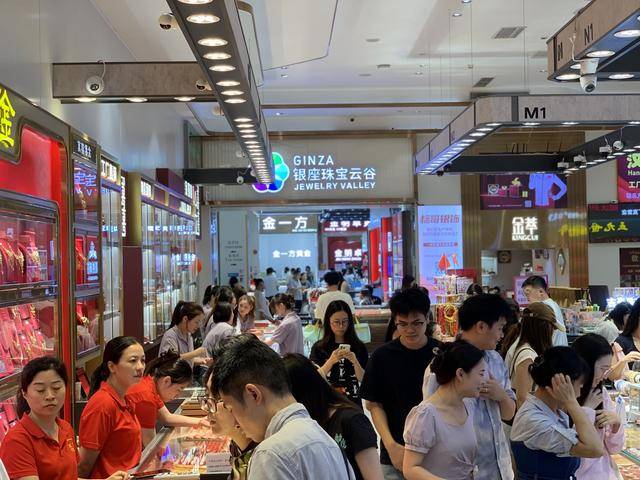
Core Viewpoint - The recent surge in international gold prices has led to a significant increase in domestic gold jewelry prices, with consumer demand rising sharply during the National Day holiday period. Group 1: Price Trends - International gold prices have recently risen, with domestic gold jewelry prices exceeding 1160 RMB per gram for brands like Chow Sang Sang and Chow Tai Fook [3] - During the National Day holiday, gold prices in the Shenzhen Luohu Shui Bei market reached historical highs, surpassing 930 RMB per gram, reflecting a nearly 300 RMB per gram increase compared to the same period last year [10] Group 2: Consumer Behavior - The influx of consumers in the Shui Bei market has increased, with daily foot traffic around 40,000, marking a 15% increase compared to the previous year [5] - Many consumers are motivated to purchase gold jewelry due to rising prices, with some opting to buy gold bars and other forms of gold investment, spending tens of thousands to over a million RMB [10] Group 3: Market Dynamics - The current market is characterized by a dual trend of consumption and investment, with many consumers choosing to buy gold for weddings, gifts, or asset allocation [10] - Some merchants express concerns about the high gold prices potentially destabilizing the market, leading to a segment of consumers adopting a wait-and-see approach [10][12] Group 4: Seasonal Factors - October is traditionally a peak wedding season, and the rising gold prices are causing pressure on couples preparing for their weddings, prompting them to make purchases sooner than planned [8] - Merchants have increased their inventory in anticipation of higher consumer traffic during the holiday season, driven by both promotional activities and improved accessibility [7]
深圳水贝黄金料商“跑路”事件后续来了!
Zheng Quan Shi Bao· 2025-09-27 12:24
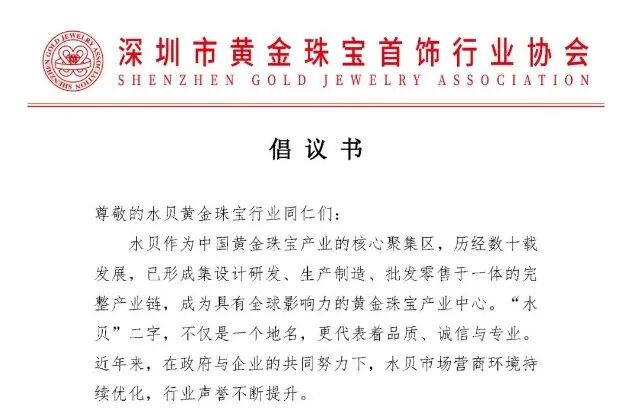
Core Viewpoint - The Shenzhen water bay area is experiencing operational anomalies among over ten gold material merchants, raising concerns about potential risks in the gold investment market [1][5]. Group 1: Market Situation - In mid-September, rumors emerged regarding operational issues among gold material merchants in Shenzhen's water bay area, with some businesses reportedly vacated [1]. - The Shenzhen Gold and Jewelry Industry Association issued a statement highlighting that some merchants are engaging in illegal "gold investment" activities disguised as physical gold trading, which poses significant risks such as high leverage and potential funding chain disruptions [1][3]. Group 2: Industry Response - The association called for compliance with regulations, urging merchants to avoid illegal operations and any form of disguised futures trading or high-leverage gambling [3]. - It emphasized the importance of risk awareness, careful selection of partners, and thorough due diligence to prevent associated risks [3]. Group 3: Industry Characteristics - Shenzhen's water bay area is the largest gold jewelry processing base in China, generating several hundred billion yuan in annual processing output [4]. - Gold material merchants primarily act as suppliers, recovering large amounts of old gold bars and jewelry, refining them into standard gold plates for resale to retailers [4]. Group 4: Price Trends and Risks - Recently, international gold prices have shown strong performance, with local gold jewelry prices exceeding 850 yuan per gram [5]. - The market has seen disputes arising from borrowing, selling, and consignment practices, with past incidents of merchants absconding with significant amounts of gold [5]. - Industry experts indicate that the recent issues stem from a shift in the role of gold material merchants from "traders" to "speculators," highlighting a lack of modern risk control mechanisms in the market [5].
深圳水贝黄金料商“跑路”事件后续来了!
证券时报· 2025-09-27 12:19
Core Viewpoint - The article discusses the operational anomalies faced by over ten gold material merchants in the Shenzhen Shui Bei area, raising concerns about potential risks in the gold trading market [1][2]. Group 1: Market Situation - In mid-September, rumors emerged about operational issues among gold material merchants in Shenzhen, with some businesses reportedly vacated [1]. - The Shenzhen Gold Jewelry Industry Association issued a statement highlighting that some merchants were engaging in illegal "gold investment" activities disguised as physical gold trading, which poses significant risks such as high leverage and potential funding chain disruptions [2][4]. Group 2: Industry Response - The association called for compliance with regulations, urging merchants to avoid illegal operations and any form of disguised futures trading or high-leverage betting [4]. - It emphasized the importance of risk awareness, careful selection of partners, and thorough due diligence to prevent associated risks [4]. Group 3: Economic Impact - Shenzhen Shui Bei is recognized as China's largest gold jewelry processing base, generating several hundred billion yuan in processing output annually [5]. - The recent surge in international gold prices has led to changes in consumer behavior, with the price of gold jewelry reaching over 850 yuan per gram [5]. Group 4: Historical Context - Previous incidents, such as the case of "Qianbaiwan Jewelry," where a merchant allegedly absconded with 200 million yuan worth of gold, highlight the risks associated with credit transactions in the industry [5]. - The article notes that the shift in role from "trader" to "speculator" among gold material merchants has contributed to the current market risks [6].

深圳市黄金珠宝首饰行业协会独家回应:网络传言里60%—70%水贝黄金料商正常经营
经济观察报· 2025-09-16 13:48
Core Viewpoint - The Shenzhen Gold and Jewelry Industry Association has clarified that 60%-70% of gold material suppliers are operating normally, with only about 30% facing issues, primarily small-scale businesses [1][2][3] Group 1: Current Situation of Gold Material Suppliers - Recent rumors indicated that over ten gold material suppliers in the Shenzhen Shui Bei area were experiencing operational abnormalities, with some reportedly having vacated their premises [2] - The association has responded to these rumors, stating that many of the companies listed are still operating normally and that law enforcement is involved in addressing the issues of those that are not [2][3] - The association is in communication with local government to implement measures for the sustainable development of the gold material supplier industry, including market education and risk warning lists for high-risk businesses [3] Group 2: Reasons Behind Operational Issues - The operational issues faced by some gold material suppliers are attributed to significant losses incurred from aggressive short-selling strategies in the gold market, leading to cash flow problems [4] - Since late August, gold prices surged from $3,400 to a peak of $3,715.2 per ounce, prompting suppliers to bet on price declines, which resulted in substantial losses as prices continued to rise [4] - Some suppliers used all their available funds and gold inventory to short-sell, leading to severe financial strain when prices increased, causing a few to choose to "run away" from their obligations [4] Group 3: Market Recovery - Following the association's clarification, the gold recovery business in the Shui Bei area is beginning to stabilize, with recovery merchants resuming operations after initial hesitance due to market rumors [5]

深圳市黄金珠宝首饰行业协会独家回应:网络传言里60%—70%水贝黄金料商正常经营
Sou Hu Cai Jing· 2025-09-16 13:14
Core Viewpoint - The recent rumors regarding the operational issues of over ten gold material suppliers in Shenzhen's Shui Bei area have been addressed by the Shenzhen Gold and Jewelry Industry Association, which claims that 60%-70% of these suppliers are still operating normally, with only about 30% facing problems, primarily small-scale businesses [2][3][5]. Group 1: Industry Response - The Shenzhen Gold and Jewelry Industry Association has conducted on-site visits and confirmed that many of the rumored troubled businesses are still functioning normally [2][3]. - The association is collaborating with local government departments to implement measures for the standardized development of the gold material supplier industry, including market education and the creation of a warning list for high-risk businesses [3][4]. Group 2: Market Dynamics - The Shui Bei area is recognized as China's largest gold processing industry base, generating several hundred billion yuan in annual output [3][4]. - Gold material suppliers primarily operate by recycling old gold items and selling processed gold plates to retailers, profiting from the price difference between recovery and sales [4]. Group 3: Causes of Operational Issues - Some gold material suppliers have faced severe financial difficulties due to aggressive short-selling strategies in the gold market, leading to significant losses as gold prices surged from $3,400 to a peak of $3,715.2 per ounce [5][6]. - The use of high leverage in speculative trading has exacerbated the financial strain, with losses escalating as global gold prices remained near historical highs [6]. Group 4: Market Recovery - Following the association's clarification, the gold recovery business in the Shui Bei area is beginning to stabilize, with recovery merchants resuming operations after initial hesitance due to the rumors [7].

深圳水贝粤宝鑫被封调查:对赌“预定价”爆仓,受损者可到派出所登记
Hua Xia Shi Bao· 2025-09-16 10:23
Core Viewpoint - The recent collapse of the gold material supplier "Yue Baoxin" has led to significant financial losses for jewelers in the Shui Bei market, highlighting the risks associated with the prepayment model in gold trading [2][10]. Group 1: Incident Overview - Multiple jewelers reported that "Yue Baoxin" failed to deliver gold materials after receiving payments, leading to the company's sudden closure and disappearance [2]. - A video showed that Yue Baoxin's store was sealed, with a notice indicating the suspension of operations and advising affected individuals to report to the police [2]. - The incident is believed to be linked to a surge in gold prices, which caused the supplier to incur significant losses after betting on a price drop [2][5]. Group 2: Business Model and Risks - Gold material suppliers typically operate by allowing customers to pre-order gold bars, with profits generated from the price difference [3]. - The collapse of Yue Baoxin is attributed to a high-risk "pre-order pricing" model that allows suppliers to control large amounts of gold with minimal capital, leading to potential financial instability [4][10]. - The prepayment model lacks effective regulatory oversight, making it susceptible to misuse and financial fraud [10][11]. Group 3: Market Impact - The incident has reportedly affected over a hundred downstream wholesale businesses, with rumors of multiple suppliers in the Shui Bei market facing similar issues [6][7]. - Some external gold shops have also been impacted, with reports of significant losses due to their dealings with Yue Baoxin [8]. Group 4: Legal and Regulatory Context - The transactions involved in this incident are considered illegal futures trading, violating regulations set by the State Council regarding financial risk prevention [11]. - Legal outcomes typically result in suppliers being required to compensate investors for a portion of their losses, often between 50% to 70% [11].