
秦腔传承

Search documents
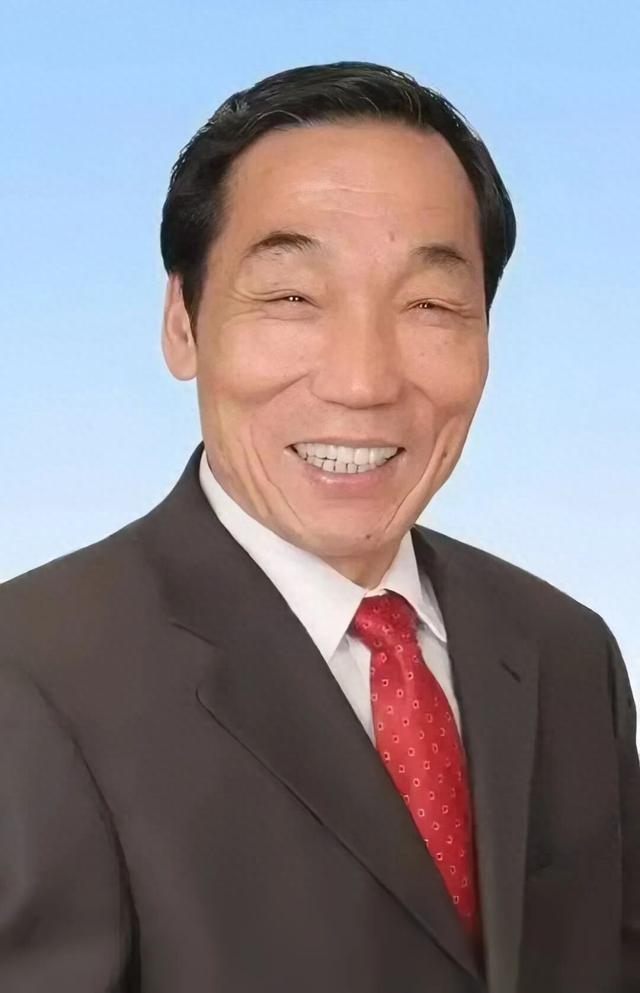
著名秦腔表演艺术家桑梓逝世,享年83岁
Bei Jing Ri Bao Ke Hu Duan· 2026-01-27 05:36
Core Viewpoint - The passing of Mr. Sangzi, a renowned Qin opera artist and key figure in the Liu (Yu Zhong) school, represents a significant loss for the Qin opera community and traditional art inheritance [3][19]. Group 1: Personal Background and Career - Mr. Sangzi, originally named Sang Benben, was born on December 24, 1943, in Chang'an, Shaanxi, and passed away on January 25, 2026, at the age of 83 [3]. - He joined the Xi'an Yisu Society as a student in August 1959, where he was trained by notable masters and later became a disciple of Liu Yuzhong in 1981, mastering the essence of Liu school art [3][10]. - Throughout his career, he portrayed numerous classic roles in productions such as "Jiling," "Killing the Post," and "Three Drops of Blood," earning multiple awards including the "Agricultural Bank Cup" for performance excellence [3][10]. Group 2: Contributions to Qin Opera - Mr. Sangzi dedicated over seventy years to the Qin opera stage, blending traditional and modern performances, and significantly contributing to the preservation and evolution of the Liu school [6][12]. - He was instrumental in directing and teaching, nurturing a new generation of actors and ensuring the continuity of Qin opera traditions through his guidance [16][18]. - His recognition as a provincial inheritor of the intangible cultural heritage of Qin opera in June 2019 highlighted his lifelong commitment to the art form [18]. Group 3: Legacy and Impact - Mr. Sangzi's influence extends beyond his performances; he instilled a deep respect for tradition in his students, emphasizing the importance of preserving the art form [16][18]. - His teachings and directorial efforts have left a lasting impact, with many of his students continuing to perform and uphold the traditions of Qin opera [18]. - The sentiment expressed in his life and work reflects the enduring nature of art and its ability to resonate across generations, ensuring that the legacy of Qin opera remains vibrant [15][18].

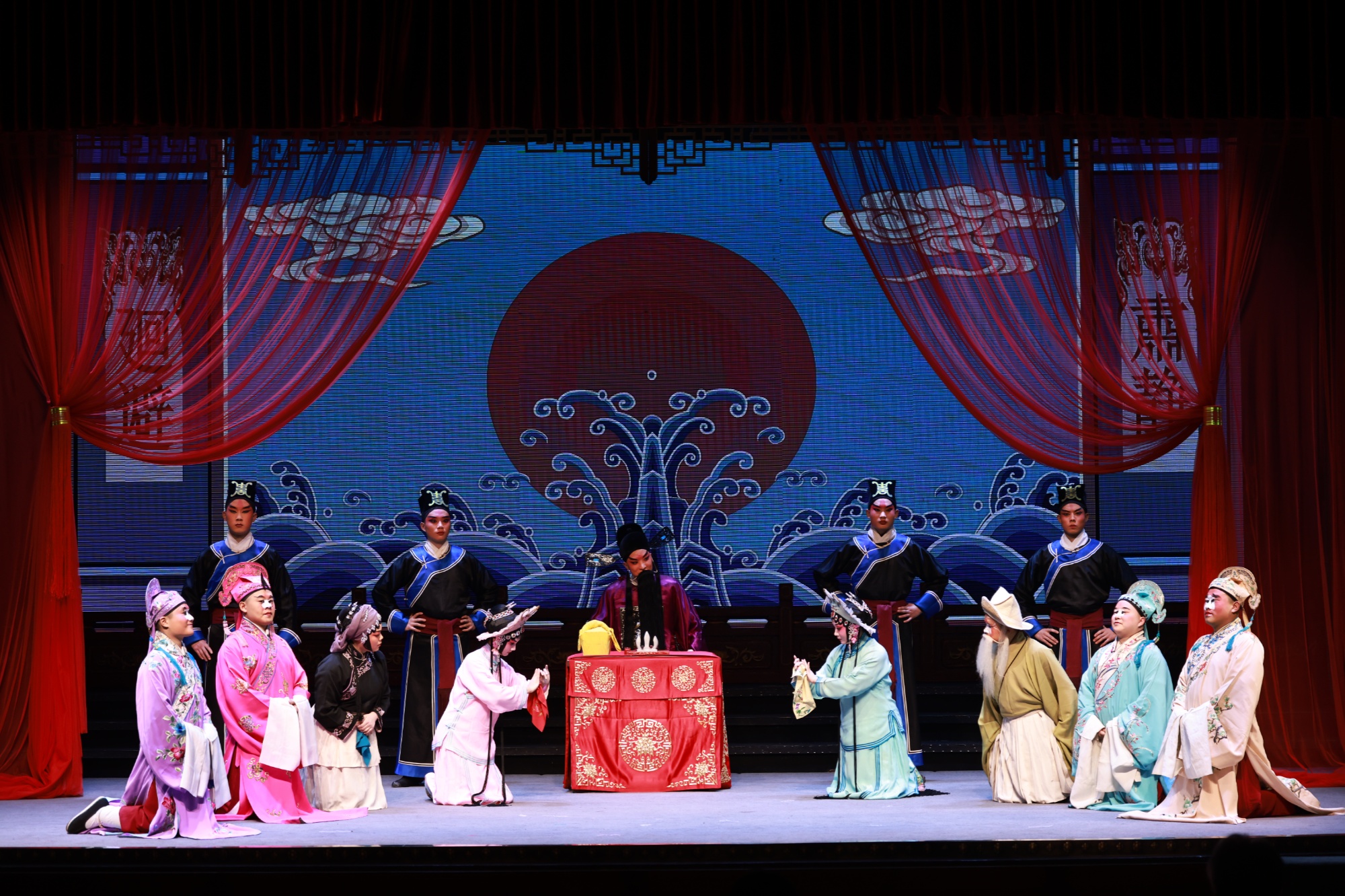
文韵中国丨为传承注入源头活水 让秦腔融入到城市的骨子里
Yang Guang Wang· 2025-12-09 07:18
Core Viewpoint - The Xi'an Yisushe, a century-old theater company, plays a vital role in preserving and promoting the traditional Qin opera, reflecting the cultural heritage of Xi'an and contributing to the narrative of contemporary Chinese culture [3][4][15]. Group 1: Historical Significance - Established in 1912, Xi'an Yisushe is closely linked to the cultural lineage of Xi'an, serving as a crucial platform for the transmission of Qin opera, which is characterized by its vigorous and poignant style [3][4]. - The theater company has been a living testament to the cultural evolution of Xi'an, embodying the historical and social narratives of the region [3][4]. Group 2: Artistic Development and Training - Li Dongfeng, a prominent actor, emphasizes the importance of understanding the audience's evolving preferences, noting that middle-aged viewers have a deep appreciation for the art form [4][6]. - The company focuses on nurturing young talent, with a significant portion of its actors being under 35, ensuring the continuity of the art form through rigorous training and mentorship [13][14]. - Young actors are encouraged to innovate while respecting traditional styles, as seen in the modern adaptations of classic plays like "The Legend of the White Snake" [12][14]. Group 3: Community Engagement and Support - The theater company actively engages with the community, performing in schools and establishing educational programs to spread awareness of Qin opera among younger audiences [14]. - Local government initiatives, including funding and regulations aimed at preserving traditional arts, support the theater's mission and enhance its outreach efforts [14][15]. Group 4: Future Aspirations - The company aims to pass down its traditional repertoire to the next generation, with plans to produce ten traditional plays before the actors reach the age of 35 [12]. - The commitment to both tradition and innovation positions Xi'an Yisushe as a key player in the future of Qin opera, ensuring its relevance in contemporary society [12][15].
“我眼中的活力中国”
Ren Min Ri Bao· 2025-10-01 22:11
Core Insights - The article highlights the personal experiences of content creators on platforms like Kuaishou and Douyin, showcasing their journeys and the impact of their work on audiences and local cultures [1]. Group 1: Kuaishou - A Kuaishou creator, An Wan, shares his journey from a challenging personal period to becoming a popular live streamer, engaging audiences with traditional Qinqiang stories and achieving over 2.3 billion views from more than 1,800 live broadcasts [1]. - An Wan expresses joy in mentoring a young apprentice, indicating a positive cultural transmission and the evolving nature of traditional art forms in modern contexts [1]. Group 2: Douyin - Douyin creators, Bi Xiaobin and Ma Yongyue, reflect on their travels across China, emphasizing the rich cultural diversity and the shared love for life among different ethnic groups [1]. - Another Douyin creator, He Xiangbei, discusses her global travels and the pride in showcasing Chinese culture, inspiring younger audiences to pursue their dreams and share positive energy through her content [1].