
秦腔

Search documents
影像河北丨百戏入冀聚群英 百梅争春绽芳华
Xin Lang Cai Jing· 2026-02-20 03:07
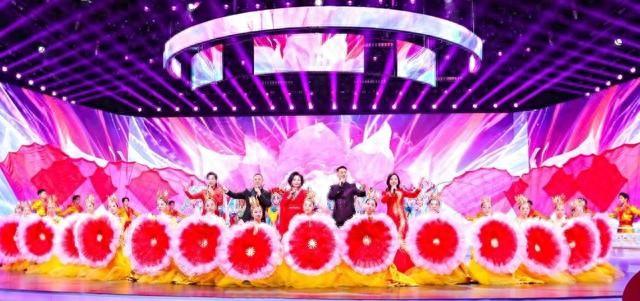
Core Viewpoint - The 2026 Spring Festival Opera Gala, titled "Chinese Opera Has Good Plays," received high praise from audiences, showcasing a rich variety of traditional Chinese opera genres and innovative performances [11]. Group 1: Event Overview - The gala featured 38 different opera genres, with 109 renowned performers, including famous artists like Shen Tiemei, Feng Yuping, Han Zaifen, Yu Kuaizhi, and Li Shengsu [11]. - The event was broadcasted on February 17, coinciding with the Lunar New Year, and was well-received by opera enthusiasts [11]. Group 2: Performance Highlights - Shen Tiemei's Sichuan opera segment "He Liang Xiao" delivered a celebratory New Year message with its vibrant melodies [11]. - Han Zaifen's Huangmei opera performance of "Nv Fu Ma" showcased graceful movements and deep character portrayal [11]. - The collaboration of Yu Kuaizhi and Li Shengsu in the Peking opera piece "Long Feng Cheng Xiang" expressed a vision of family harmony and prosperity [11]. Group 3: Innovation and Integration - The gala embraced the "Opera +" concept, innovating traditional performances with modern elements, such as the original martial arts opera "Wu Jia Po 2026," which aligns with contemporary aesthetics [12]. - The integration of various opera styles in skits like "Hao Shi Cheng Shuang" and "Wu Fu Lin Men" highlighted the charm of traditional opera in a modern context [12]. Group 4: Cultural Transmission - The event showcased the vitality of cultural heritage, with performances by young students from various universities, bringing a fresh perspective to classic works [12]. - The gala concluded with an original Hebei opera song "Bai Mei Zheng Chun," symbolizing reunion and prosperity for the New Year [12].

国潮风吹 矿山春暖
Xin Lang Cai Jing· 2026-02-14 19:49
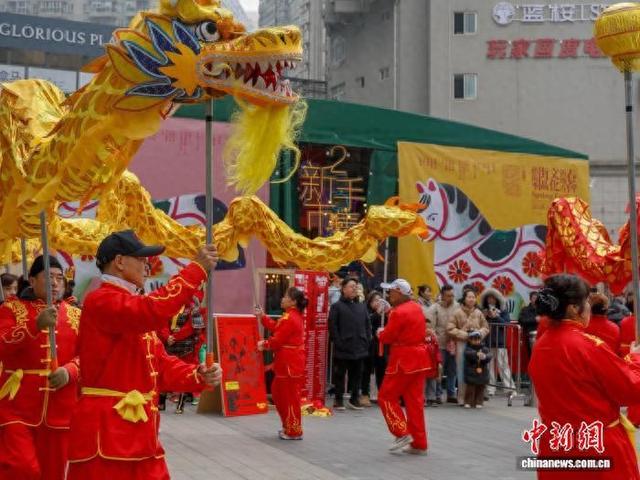
Group 1 - The article highlights the cultural activities and festive spirit among workers and their families in the mining sector as they prepare for the Spring Festival [1][2] - The "New Year Sending Blessings · Calligraphy and Ink" event at Huangling Mining promotes traditional calligraphy, with over 1,000 Spring Festival couplets written in three days [2] - Performances of traditional Chinese opera, such as Qinqiang, are a significant part of the grassroots慰问活动, engaging workers and enhancing community spirit [2][4] Group 2 - The article emphasizes the role of family members, like Cui Pan, who actively participate in cultural activities and promote safety awareness through performances [3][4] - The integration of traditional clothing, such as Hanfu, into workplace culture is highlighted, showcasing a blend of modern work and cultural heritage [3][4] - The efforts of employees to preserve and promote traditional arts and safety messages through performances reflect a commitment to cultural heritage and community well-being [4]
非遗点亮塞上中国年
Xin Hua She· 2026-02-09 08:57
Group 1 - Ningxia has numerous intangible cultural heritage (ICH) projects such as Huā'er and Qinqiang, reflecting the historical and regional characteristics of "the southern part of the frontier" [2] - The ICH projects not only have cultural significance but also economic attributes, driving employment and creating new business models like cultural innovation and research, contributing to rural revitalization [2] - Currently, 140 ICH workshops in Ningxia have directly created jobs for 12,000 people, with annual sales exceeding 1 billion yuan, making them a vital force in rural revitalization [2] Group 2 - The "Ningxia ICH New Year Celebration" has been held for several years, becoming a well-known winter cultural tourism IP, with this year's theme being "Southern Frontier ICH Charm, Prosperous Chinese New Year," featuring over 200 themed activities across the region [2] - The event includes a market for ICH products, showcasing around 100 booths with ICH items, cultural products, and specialty agricultural products, creating an immersive consumer experience [2][4] - Ningxia has also launched 10 ICH food tourism routes, connecting various cultural and culinary resources, providing a guide for tourists to experience the local culture during the Spring Festival [4]
(新春见闻)秦腔“吼”出古都年味 西安青年乐享戏韵新春
Xin Lang Cai Jing· 2026-02-08 07:09
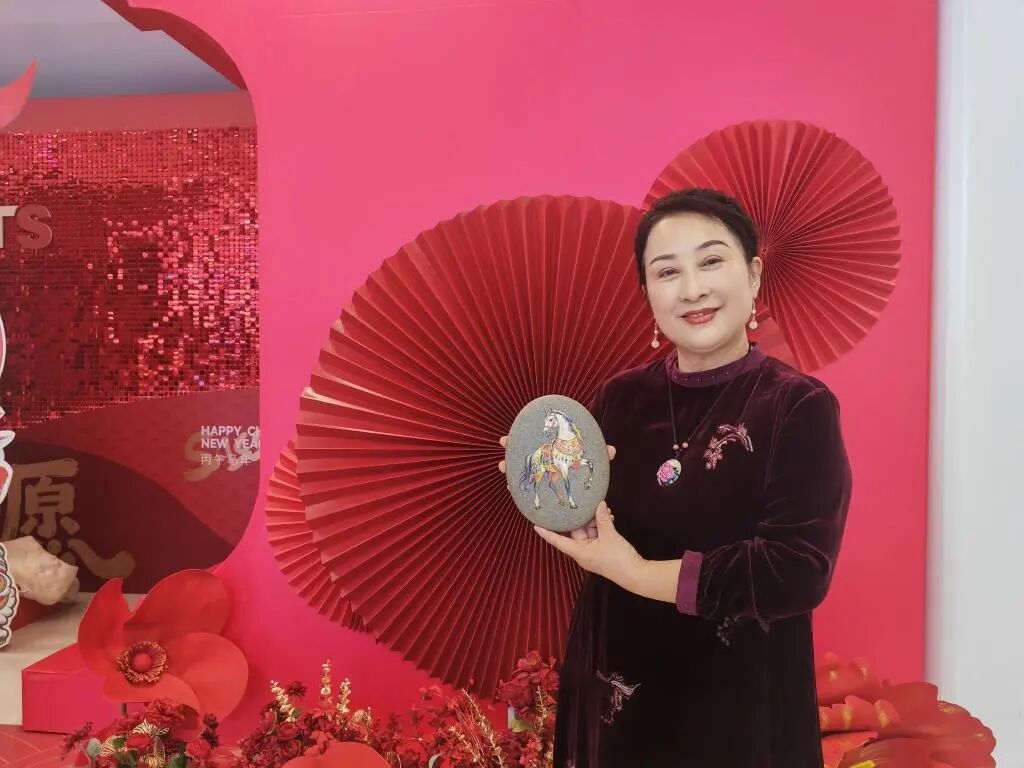
Core Viewpoint - The article highlights the revival and integration of traditional Qin opera into the daily lives of young people in Xi'an, enhancing the festive atmosphere of the city during the Spring Festival [1][3]. Group 1: Event Overview - A series of cultural activities, including Qin opera performances, handmade workshops, and folk dances, have been organized in Xi'an, running from New Year's Day to the Lantern Festival [1]. - As of February 5, 2023, there have been 115 Qin opera performances attracting over 92,000 attendees, with an additional 17.25 million online views [3]. Group 2: Cultural Impact - Traditional arts are moving beyond theaters and museums, finding new life in public spaces, thus engaging a younger audience [1][3]. - The unique setting of performances at cultural landmarks like the city wall enhances the appeal of Qin opera, drawing both local and out-of-town visitors [3]. Group 3: Audience Engagement - The atmosphere of open-air performances allows for a closer connection between the audience and the performers, creating a vibrant and interactive experience [3]. - Young audiences, including those from other provinces, are increasingly drawn to Qin opera through social media platforms, indicating a shift in cultural consumption [3][5].
著名秦腔表演艺术家桑梓逝世,享年83岁
Bei Jing Ri Bao Ke Hu Duan· 2026-01-27 05:36
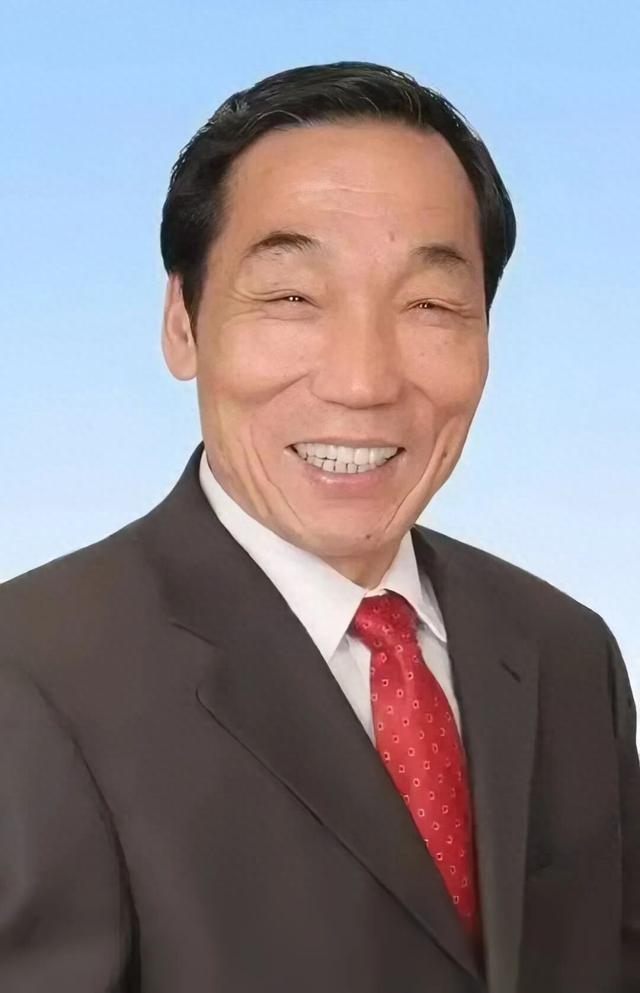
Core Viewpoint - The passing of Mr. Sangzi, a renowned Qin opera artist and key figure in the Liu (Yu Zhong) school, represents a significant loss for the Qin opera community and traditional art inheritance [3][19]. Group 1: Personal Background and Career - Mr. Sangzi, originally named Sang Benben, was born on December 24, 1943, in Chang'an, Shaanxi, and passed away on January 25, 2026, at the age of 83 [3]. - He joined the Xi'an Yisu Society as a student in August 1959, where he was trained by notable masters and later became a disciple of Liu Yuzhong in 1981, mastering the essence of Liu school art [3][10]. - Throughout his career, he portrayed numerous classic roles in productions such as "Jiling," "Killing the Post," and "Three Drops of Blood," earning multiple awards including the "Agricultural Bank Cup" for performance excellence [3][10]. Group 2: Contributions to Qin Opera - Mr. Sangzi dedicated over seventy years to the Qin opera stage, blending traditional and modern performances, and significantly contributing to the preservation and evolution of the Liu school [6][12]. - He was instrumental in directing and teaching, nurturing a new generation of actors and ensuring the continuity of Qin opera traditions through his guidance [16][18]. - His recognition as a provincial inheritor of the intangible cultural heritage of Qin opera in June 2019 highlighted his lifelong commitment to the art form [18]. Group 3: Legacy and Impact - Mr. Sangzi's influence extends beyond his performances; he instilled a deep respect for tradition in his students, emphasizing the importance of preserving the art form [16][18]. - His teachings and directorial efforts have left a lasting impact, with many of his students continuing to perform and uphold the traditions of Qin opera [18]. - The sentiment expressed in his life and work reflects the enduring nature of art and its ability to resonate across generations, ensuring that the legacy of Qin opera remains vibrant [15][18].
以法治之力让文化的光芒更璀璨
Shan Xi Ri Bao· 2026-01-12 00:28
Core Viewpoint - The article highlights the legislative efforts in Shaanxi province during the "14th Five-Year Plan" period to enhance cultural heritage protection and promote cultural development through local laws and regulations. Group 1: Legislative Achievements - During the "14th Five-Year Plan," Shaanxi's provincial legislature enacted 4 local regulations and revised 1, while approving 22 regulations from district-level cities, emphasizing the importance of legal frameworks in cultural development [1][2]. - The "Regulations on the Protection of Baota Mountain" were established to address practical issues in the management and protection of this revolutionary landmark, marking a new model of characteristic legislation [2]. - The "Regulations on the Protection and Development of Hanzhong Rattan Weaving" created a three-dimensional inheritance system for this intangible cultural heritage, focusing on recording, inheriting, and innovating [3]. Group 2: Cultural Heritage and Arts Protection - The "Regulations on the Protection and Development of Qin Opera" were introduced as the first provincial-level regulations in the country, providing a comprehensive framework for the development and protection of this ancient art form [4][5]. - The "Regulations on the Protection of the Yellow Emperor's Tomb" emphasize the historical, cultural, and social values of the site, marking a new phase in its legal protection [5]. - The "Regulations on the Protection and Utilization of Revolutionary Cultural Relics" provide legal guidelines for the management and utilization of revolutionary heritage [6]. Group 3: Supervision and Implementation - The provincial legislature has prioritized cultural prosperity as a key area for supervision, conducting multiple inspections to ensure the implementation of cultural laws and regulations [7][8]. - Continuous monitoring of the implementation of laws related to intangible cultural heritage has led to increased financial support for local cultural practitioners, enhancing their ability to pass on traditional skills [8][9]. - The legislature plans to deepen its supervisory efforts in the "15th Five-Year Plan" to ensure that cultural laws are effectively enforced and cultural confidence is strengthened [9].
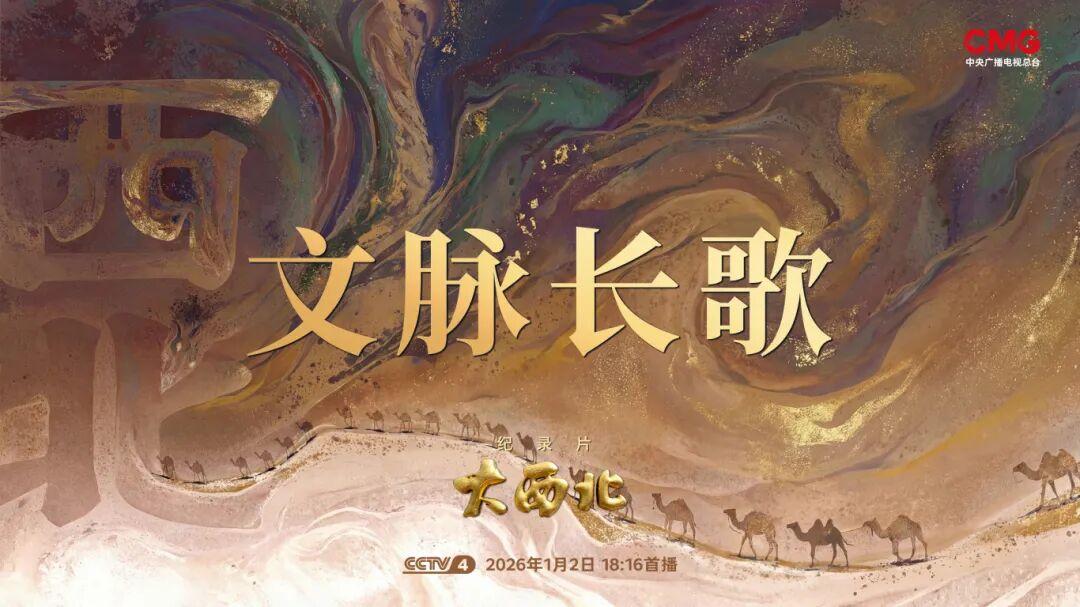
《大西北》第三集《文脉长歌》:风沙流转处,古老文明正年轻
Xin Lang Cai Jing· 2026-01-02 09:14
Core Viewpoint - The documentary "The Northwest" highlights the rich cultural heritage and artistic expressions of Northwest China, showcasing the integration of traditional and modern elements in the region's cultural tourism [1][17]. Group 1: Cultural Heritage - The region has produced three famous epic tales of Chinese ethnic minorities, reflecting deep emotional connections and cultural significance [5]. - Traditional art forms like Qin opera and folk songs from Shaanxi resonate with the spirit of the people, serving as a medium for expressing their joys and sorrows [5][7]. - The large-scale ethnic dance drama "Silk Road Flower Rain" has been performed over 4,000 times globally, attracting 4.5 million viewers since its debut in 1979 [9]. Group 2: Artistic Revival - The revival of ancient musical instruments depicted in Dunhuang murals has been achieved through extensive research and reconstruction efforts, resulting in over 300 replicas of the Konghou [13]. - The "Wooden Goat Dance" and other folk arts in Xinjiang illustrate the vibrant cultural expressions that connect the past with contemporary practices [15][18]. Group 3: Cultural Tourism - The integration of historical culture into interactive experiences has revitalized the cultural landscape of Northwest China, creating a bridge between the past and the future [17]. - Unique culinary experiences, such as "Nang Coffee," and immersive historical sites like Yangguan and Yumenguan enhance the cultural tourism appeal of the region [18].
古老秦腔 创新“出圈”(神州看点·古调新声)
Ren Min Ri Bao· 2025-12-24 22:32
Core Viewpoint - The article highlights the revival and modernization of the traditional Chinese art form, Qinqiang, through innovative approaches such as micro-short dramas and social media engagement, aiming to attract younger audiences and ensure cultural transmission [5][6][7]. Group 1: Traditional Art Form - Qinqiang, originating from Shaanxi and Gansu, is deeply rooted in the hearts of the people in Northwest China, serving as a vibrant expression during festivals and celebrations [5]. - The classic Qinqiang play "Three Drops of Blood" has historically resonated with audiences, and recent adaptations have garnered significant online engagement, with the Qinqiang version of "Spring Mountain" achieving over 100 million views in six months [5][6]. Group 2: Modern Adaptations - The launch of micro-short dramas, such as "Three Drops of Blood," represents a new artistic presentation of traditional Qinqiang, sparking discussions on the evolution of traditional theater [6][7]. - The first micro-short drama "Flame Horse" produced by Xi'an Sanyi Society has received approximately 30 million views shortly after its release, indicating a positive reception for innovative formats [7]. Group 3: Audience Engagement - Young Qinqiang performers are actively promoting the art form through social media, sharing performance videos and engaging with school children to foster interest in traditional theater [5][8]. - The integration of short videos and live broadcasts allows Qinqiang artists to reach audiences beyond physical venues, enhancing accessibility and interaction with younger viewers [8].
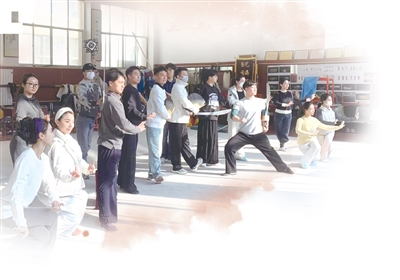
为传承注入源头活水 让秦腔融入到城市的骨子里
Yang Guang Wang· 2025-12-11 22:36
Core Viewpoint - The Xi'an Yisushe, a century-old theater company, continues to thrive by integrating traditional Qin opera with contemporary narratives, reflecting the cultural essence of Xi'an and promoting the inheritance of Chinese traditional culture [1][2]. Group 1: Historical Significance - Established in 1912, Xi'an Yisushe is closely linked to the cultural heritage of Xi'an, serving as a vital platform for the transmission of Qin opera, which embodies the city's historical and cultural identity [1][2]. - The theater has been a significant witness to the evolution of local culture and has played a crucial role in preserving the artistic legacy of Qin opera over the past century [1]. Group 2: Artistic Development and Education - Li Dongfeng, a prominent actor, emphasizes the importance of understanding the audience's evolving preferences, noting that middle-aged viewers have remained a consistent demographic for Qin opera [3]. - The theater prioritizes the mentorship of young actors, with experienced artists like Li Dongfeng passing on their knowledge and skills to the next generation, ensuring the continuity of artistic traditions [4][5]. - Young actors are encouraged to cultivate a deep understanding of their roles through extensive reading and cultural immersion, which enhances their performance quality [5][11]. Group 3: Youth Engagement and Innovation - The theater has a significant proportion of young actors, constituting two-thirds of the company, which reflects a strategic focus on youth engagement and the future of Qin opera [15]. - Initiatives such as the Youth Support Fund and educational programs are in place to enhance the skills and academic qualifications of young performers, fostering a new generation of artists [15][17]. - The company is actively expanding its outreach by performing in prestigious institutions like Tsinghua University and Peking University, thereby promoting traditional culture to a broader audience [16]. Group 4: Challenges and Future Directions - The aging of veteran performers poses a challenge, making the mentorship of younger actors critical for the preservation of the art form [15]. - The theater is committed to balancing tradition with innovation, as seen in modern adaptations of classic works, which aim to attract younger audiences while maintaining the essence of Qin opera [13][14].
2025“中国戏演出季”在维也纳圆满收官
Xin Hua She· 2025-11-17 00:47
Core Viewpoint - The "2025 China Drama Performance Season" concluded with a successful performance of the Huai Opera "Zhao Wuniang" in Vienna, highlighting the cultural exchange between China and Austria [1][2]. Group 1: Event Overview - The performance of Huai Opera "Zhao Wuniang" took place at the MuTe Theater in Vienna, receiving enthusiastic responses from the audience [1]. - Huai Opera, originating from Jiangsu's salt and marsh region, has a history of over 200 years and was listed as a national intangible cultural heritage in 2008 [1]. - The story of "Zhao Wuniang" depicts the struggles of a woman searching for her husband after the death of her in-laws, showcasing both her hardships and her husband's career ups and downs [1]. Group 2: Cultural Impact - The director of MuTe Theater, Elke Hesse, emphasized that the "China Drama Performance Season" provided an opportunity for audiences to appreciate various unique Chinese operas, fostering cultural exchange between China and Austria [1]. - Ernst Waller, honorary chairman of the International Cultural Exchange Cooperation Association, noted that the entire performance season was constructive and sustainable, resonating with many European viewers [1]. - Song Chen, executive vice president and secretary-general of the China Opera Research Association, stated that the performances built a bridge for artistic and cultural exchange between China and Central Europe, expressing hope for more traditional Chinese culture to be introduced to Europe in the future [1].