
稀土产业自主

Search documents
普京布局稀土自主,有个不情之请,中方已婉拒了,不会交出技术
Sou Hu Cai Jing· 2025-10-30 05:11
Core Viewpoint - Russia is seeking to establish an independent rare earth metal industry to avoid reliance on both the US and China, aiming to create a complete production chain from mining to manufacturing [1][3]. Group 1: Reasons for Russia's Urgency - National security concerns drive Russia to solidify its rare earth supply chain, ensuring that strategic resources are not controlled by other nations [3]. - The development of a complete rare earth industry is expected to facilitate economic transformation and job creation, with plans to invest over 700 billion rubles in Siberia to create 3,500 jobs in the first phase [3]. - Achieving autonomy in the rare earth sector would enhance Russia's bargaining power on the global stage, potentially altering the global supply landscape [3]. Group 2: Challenges in Achieving Autonomy - A significant hurdle for Russia is the lack of advanced rare earth extraction and processing technology, which is predominantly held by China and the US [5]. - Russia's request for technology transfer from China was explicitly declined, highlighting China's strategic interest in maintaining its technological edge [5][7]. - China's export control measures and concerns about technology leakage to other countries, particularly the US, further complicate the potential for collaboration [7].

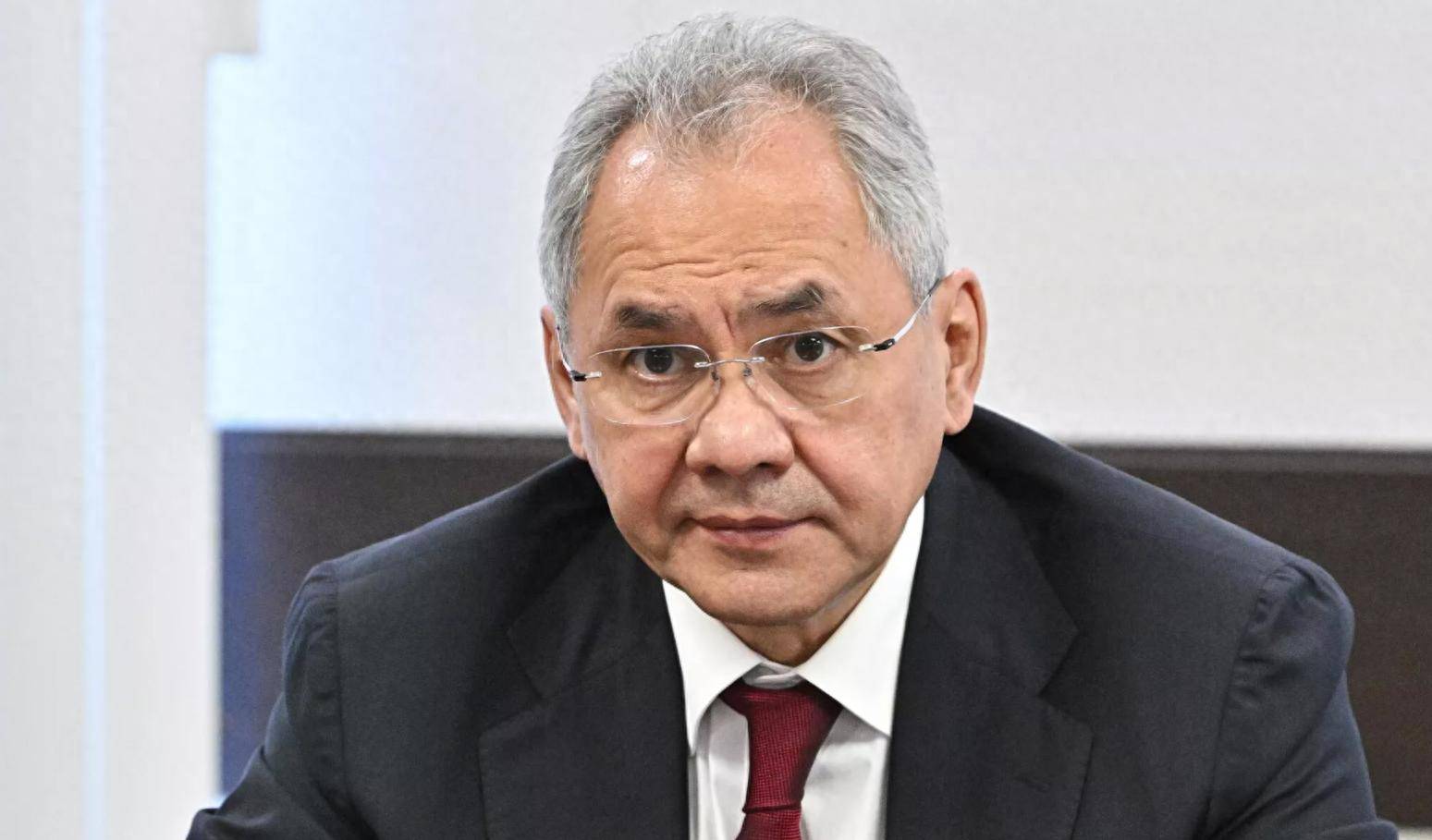
中国稀土让西方节节败退,俄有了个大胆的想法,就看中国教不教了
Sou Hu Cai Jing· 2025-10-28 12:24
Core Viewpoint - Russia aims to establish a completely self-sufficient rare earth industry, independent of the US and China, from mining to finished products, as stated by Security Council Secretary Shoigu, reflecting the Kremlin's strategic intentions regarding this critical resource [1]. Group 1: Russia's Rare Earth Resources - Russia ranks among the top five countries globally in rare earth reserves, with approximately 28.5 million tons, primarily located in Tomsk, Yakutia, and Murmansk [3]. - Despite its rich reserves, Russia's annual rare earth production is only 2,600 tons, accounting for less than 1% of the global market, which is significantly lower compared to China's annual production of 270,000 tons [3][4]. Group 2: Strategic Importance of Rare Earth Industry - The development of the rare earth industry is crucial for Russia's national security, as reliance on Chinese rare earths poses risks despite the current strong Sino-Russian relations [4]. - The economic transformation driven by the rare earth industry is urgent, as it can create jobs and stimulate the development of downstream industries like semiconductors. Russia plans to invest over 700 billion rubles in Siberia to establish a processing cluster for critical rare and precious metals, potentially creating 3,500 jobs in the first phase [4]. Group 3: International Influence and Supply Chain Dynamics - Achieving self-sufficiency in the rare earth sector could alter the global supply landscape, providing Russia with leverage in its geopolitical dealings, particularly with the US [5]. Group 4: Challenges to Self-Sufficiency - Russia faces significant obstacles in developing its rare earth industry, including technological, financial, and infrastructural challenges. The technology for rare earth extraction is complex and pollution-intensive, with Russia's research capabilities having diminished since the Soviet era [7]. - Establishing a standard rare earth separation plant requires investments of several billion dollars, raising concerns about Russia's financial capacity amid ongoing conflicts and sanctions [7]. - The lack of infrastructure in Siberia complicates the establishment of a comprehensive production network for the rare earth industry, necessitating substantial investment in infrastructure [7]. Group 5: China's Technological Edge - China holds a dominant position in the rare earth sector, controlling 58% of global patents and achieving extraction costs that are only one-fourth of those in the US, with a high purity rate exceeding 99.99% [7]. - Chinese companies have a 30% higher yield in producing neodymium-iron-boron permanent magnets compared to US firms, while EU-developed alternatives fall short of high-end requirements [7]. - China has declined Russia's requests for technology transfer related to rare earth extraction, citing national security concerns and existing export control measures [9].

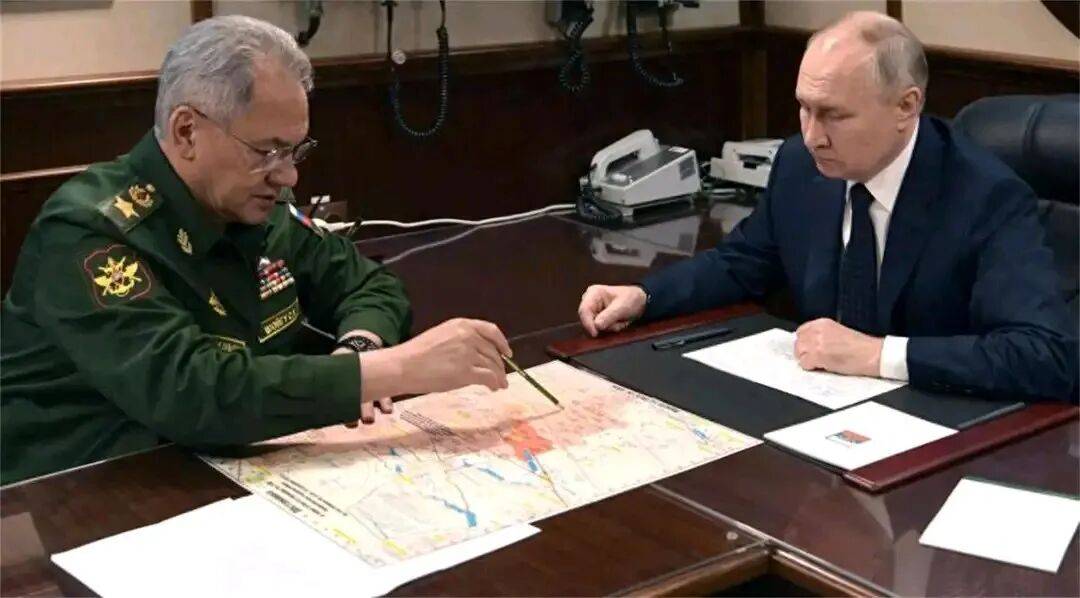
普京深知稀土管制威力,要求稀土产业自主,中方已婉拒了,不会交出技术!
Sou Hu Cai Jing· 2025-10-26 12:02
Core Insights - Russia is seeking to establish an independent rare earth metal industry chain to reduce reliance on China and the US, emphasizing the importance of strategic resource control for national security [1][3] - The development of the rare earth industry is expected to create jobs and stimulate the economy, with plans to invest over 700 billion rubles in Siberia, potentially benefiting 3,500 families [3][5] - Russia's rare earth reserves rank fifth globally at approximately 3.8 million tons, but its annual production is only about 1% of the global total, highlighting a significant technological gap [3][5] Investment and Economic Impact - The initial investment of 700 billion rubles is just the starting point, with an additional twofold investment needed over the next five years, relying heavily on sovereign funds due to cautious foreign investment [5] - The establishment of a rare earth industry chain could enhance Russia's bargaining power in international negotiations, particularly against the backdrop of increasing competition from the US and EU [3][5] Technological Challenges - Russia faces significant technological barriers, as high-end rare earth extraction and processing technologies are predominantly held by China and the US, limiting Russia's ability to refine and purify rare earth elements [3][5] - The country’s technological capabilities are considered outdated, necessitating modernization in separation, extraction, and magnet manufacturing processes [5][7] Environmental and Operational Considerations - The extraction of rare earth elements is complicated by the presence of radioactive minerals, raising environmental concerns that must be addressed alongside market demands [5] - Siberia's harsh climate poses additional challenges for construction timelines and cost management, necessitating a balance between environmental regulations and operational efficiency [5][8] Strategic Partnerships - A potential path forward for Russia could involve joint ventures, where Russia provides mining resources and energy while China supplies advanced technology and equipment, although this may compromise Russia's autonomy in the rare earth sector [5][7] - The success of Russia's rare earth ambitions could significantly alter the global supply landscape, potentially diminishing China's leverage in the market [7][8]