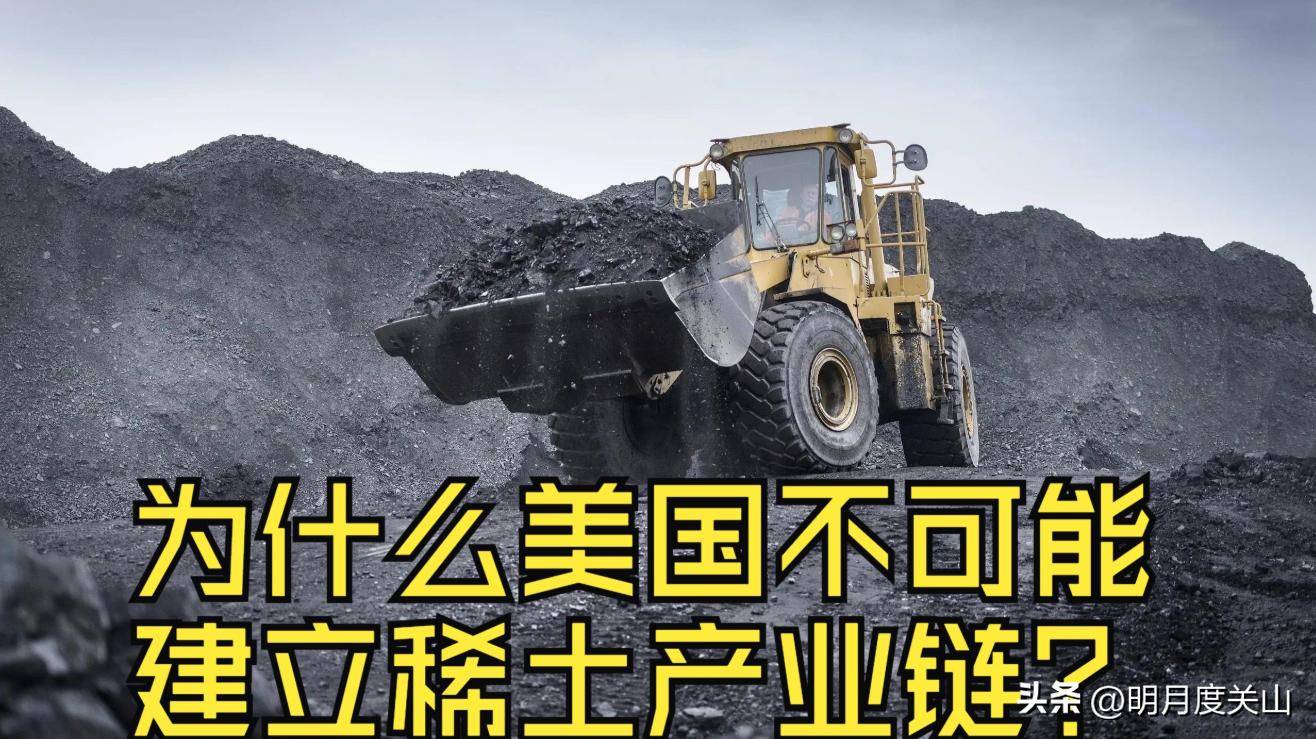
稀土战略意义

Search documents
特朗普引发恐慌,格陵兰稀土矿企股价暴涨近150%
财富FORTUNE· 2026-01-23 13:05
Core Viewpoint - The article discusses the strategic significance of the Tanbreez rare earth project in Greenland, developed by Critical Metals, amidst geopolitical tensions involving the U.S. and Denmark, particularly in light of President Trump's comments about acquiring Greenland [2][3]. Group 1: Company Overview - Critical Metals is developing the Tanbreez rare earth project, with its stock price increasing nearly 150% since the beginning of the year and over 280% in the past six months, leading to a market capitalization exceeding $2 billion [2]. - The company holds a 92.5% stake in the Tanbreez project, which is progressing towards pilot construction, with full-scale operations expected to begin in spring 2027 and completion by the end of 2028 [4]. Group 2: Project Details - The Tanbreez project aims to extract nearly 1 million metric tons of ore annually, with sufficient resources to sustain operations for over a century [4]. - The project is notable for its high concentration of rare earth elements, particularly heavy rare earths like terbium and dysprosium, as well as other valuable elements such as hafnium, gallium, and niobium [4]. Group 3: Geopolitical Context - Trump's strong rhetoric regarding Greenland has raised awareness of the Tanbreez project, highlighting its strategic importance for U.S. supply chains in rare earth mining and processing, an area where China currently holds a dominant position [3]. - The CEO of Critical Metals expressed a desire to maintain good relations with the U.S. government, the EU, and local Greenland authorities, emphasizing the need to avoid being used as a political pawn [2][3].

除了中国,美国还能从哪里大量采购精炼稀土?背后博弈没那么简单
Sou Hu Cai Jing· 2025-09-01 08:34
Group 1 - The core issue revolves around the U.S. dependence on China for rare earth magnets, with Trump threatening a 200% tariff if China does not supply sufficient quantities [1] - The U.S. has abundant rare earth resources but lacks the capability for large-scale refining and purification, with China controlling approximately 90% of global refining capacity [1][6] - The high technical barriers in rare earth refining make it difficult for other countries to compete, as even a 0.1% purity difference can significantly impact high-end equipment [1][6] Group 2 - Some U.S. companies are actively reporting smuggling of rare earths to protect their profit margins, indicating a complex relationship between legality and profitability in the industry [3] - The historical reliance on gray market activities has led to severe consequences for those involved, highlighting the strategic importance of rare earths as both economic and national resources [4][6] - The U.S. struggles to develop its rare earth refining industry due to environmental concerns and the complexity of modern metallurgy, which could take over a decade to establish [6] Group 3 - The production of gallium, while not a rare earth element, follows a similar narrative, with China producing 500 to 600 tons annually, supported by significant energy resources [7] - Globally, rare earths are not scarce, but the lack of a developed refining industry in other countries is due to technological and industrial system deficiencies [7][9] - The value of rare earths lies not just in their market price but in their strategic significance for sectors like chips, military, and renewable energy [9][11] Group 4 - Historical instances show that rare earths have been used as economic leverage in geopolitical conflicts, with China previously using them against Japan and the U.S. [11][13] - For China, the strategic value of rare earths is paramount, as they can leverage this resource to gain advantages in negotiations and maintain a strong position against U.S. pressures [13]