
空地协同

Search documents
沈北新区“一网统飞” 低空政务项目启动
Xin Lang Cai Jing· 2026-02-25 22:06
Core Insights - The "One Network Unified Flight" low-altitude government service project in Shenyang's Shenbei New District has officially commenced construction and is set to be fully operational by April, aiming to enhance urban governance and optimize the business environment [1][4] Group 1: Project Overview - The project integrates low-altitude economy and government governance through a unified platform that coordinates drone resources, tasks, routes, data, and regulation, addressing issues of traditional inspections [2] - It includes the establishment of 30 core drone inspection points across the district, with 5 already in operation, and a developed government service platform that is continuously optimized [2][3] Group 2: Operational Efficiency - The project aims for comprehensive coverage of the 819 square kilometers of Shenbei New District, solving traditional inspection blind spots and enabling all-weather monitoring and analysis [3] - Utilizing AI technology, the system can automatically identify urban management issues and send alerts within 10 seconds, creating a closed-loop management system for rapid response [3] Group 3: Benefits to Governance and Business - The project transforms traditional urban management from a passive response model to a proactive one, enhancing efficiency and precision in city management [4][5] - It significantly reduces the need for manual patrols, saving labor and time costs, while ensuring a clean, orderly, and safe environment for businesses, thereby improving the overall business climate and citizen satisfaction [5]
风雪守归途 温情护平安
Xin Lang Cai Jing· 2026-02-02 18:02
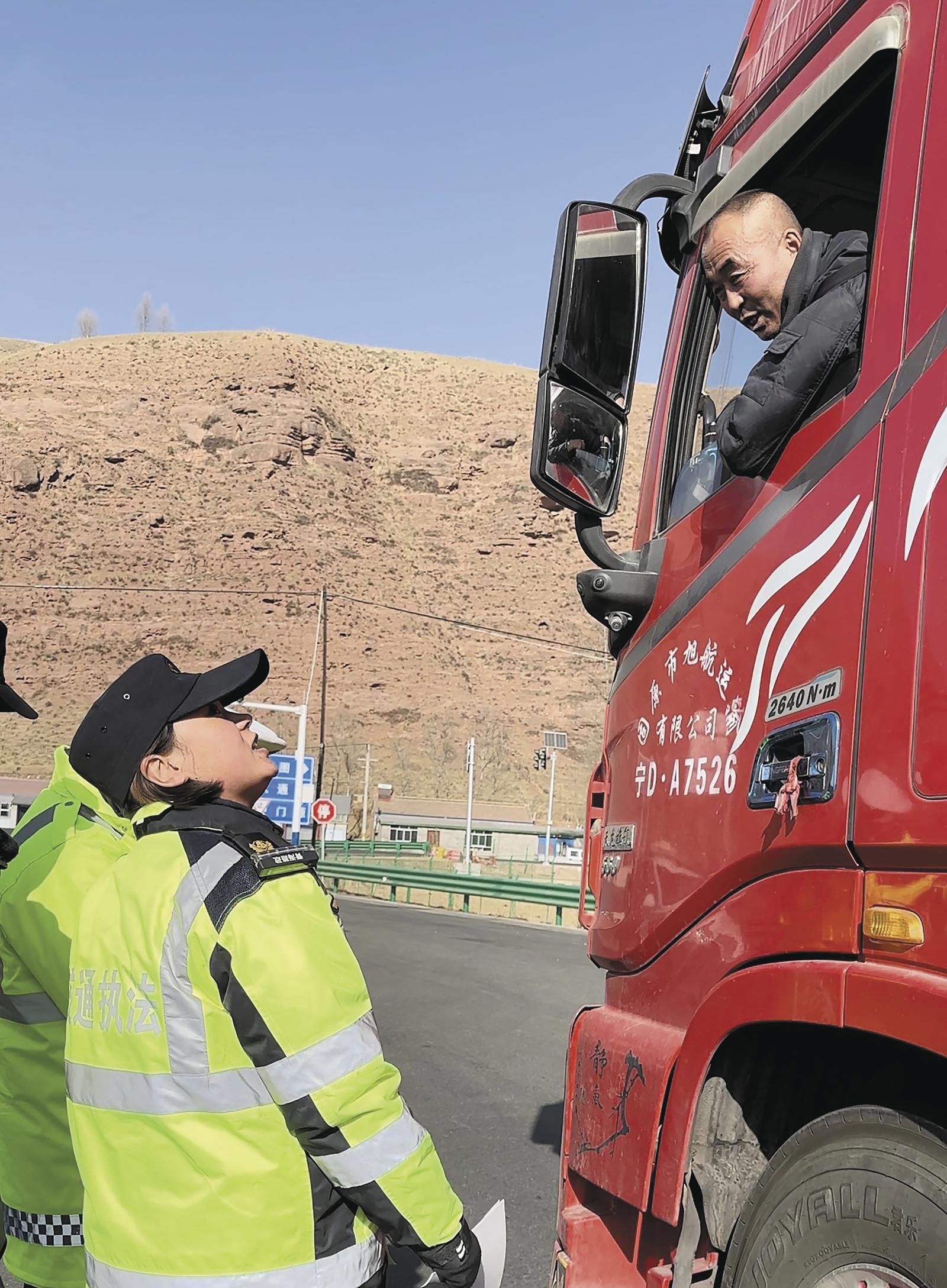
Core Viewpoint - The article highlights the efforts of traffic enforcement personnel in Qinghai Province to ensure safe travel during the busy New Year period, emphasizing their proactive measures in traffic management and public service [3][4][7]. Group 1: Traffic Management - Traffic enforcement teams set up joint checkpoints at key locations to monitor traffic flow and provide real-time updates to drivers, ensuring smooth passage through congested areas [3][4]. - The teams implemented temporary traffic control measures based on real-time traffic conditions and weather alerts, effectively managing vehicle entry into congested routes [3][4]. Group 2: Safety Enforcement - Strict enforcement of traffic laws was maintained, focusing on preventing overloading and fatigue driving to eliminate potential safety hazards on the roads [4][5]. - The enforcement personnel conducted thorough checks on vehicles, prioritizing safety over speed, to ensure that all drivers could return home safely for the New Year [4][5]. Group 3: Emergency Response - In adverse weather conditions, enforcement personnel quickly responded to stranded drivers, providing assistance and ensuring their safety by relocating vehicles to secure areas [5][6]. - The teams offered warm hospitality to stranded drivers, including food and shelter, demonstrating a commitment to public service beyond mere enforcement [6][7]. Group 4: Technology and Coordination - The enforcement agency utilized a combination of technology and systematic approaches to enhance safety measures, including drone surveillance for hard-to-reach areas [7]. - A comprehensive management system was established to ensure that safety hazards were promptly identified and addressed, preventing risks from persisting overnight [7].

成都市2026年森林草原火灾应急演练举行
Xin Lang Cai Jing· 2026-01-10 18:29
Core Viewpoint - The emergency drill for forest and grassland fire response in Chengdu in 2026 emphasized the integration of technology and air-ground collaboration to enhance firefighting capabilities [1] Group 1: Emergency Drill Overview - The drill took place on January 9, 2023, in Dayi County, simulating a sudden forest fire in the Baiyanwan area [1] - It utilized a combination of "live-action and tabletop" formats, with the main venue at the Chengdu Smart City Operation Center and 14 participating districts and counties [1] Group 2: Drill Execution and Features - The drill included 13 key exercises covering the entire chain and process of fire response, such as fire reporting, initial response, cross-county warnings, reconnaissance, and final firefighting efforts [1] - It highlighted the practical aspects of "technology empowerment and air-ground collaboration," incorporating drones, video monitoring, and real-time meteorological data for dynamic assessment of fire situations [1] Group 3: Coordination and Resource Management - The exercise integrated emergency services, forestry, firefighting, police, and meteorological forces to enhance aerial reconnaissance, ground firefighting, and meteorological analysis [1] - It achieved information sharing, direct command, and resource coordination, improving the overall rapid response and collaborative firefighting capabilities [1]
河南空管分局精准施策保障郑州机场2025年总货运量突破100万吨大关
Zhong Guo Min Hang Wang· 2025-12-26 11:23
Core Insights - Zhengzhou Airport has officially entered the global air cargo "million-ton club" with an annual cargo throughput exceeding 1 million tons, marking a significant milestone for the airport's operations [1] Group 1: Enhancing Operational Efficiency - The Henan Air Traffic Control Bureau has implemented multiple measures to improve the operational efficiency of cargo flights, ensuring robust support for the increase in cargo volume [1] - Air traffic controllers have optimized flight sequencing and flexibly allocated runway resources, particularly for large cargo aircraft, to reduce ground taxiing and waiting times during peak periods [3] - Customized priority interval plans for cargo flights have been developed based on real-time weather and airport operational conditions [3] Group 2: Language Proficiency and Training - The Henan Air Traffic Control Bureau has prioritized English language proficiency as a core focus for supporting international cargo flights, implementing a three-year action plan to enhance English capabilities [2] - Specialized training sessions and regular English practice activities have been organized to foster a strong learning environment [2] - A grading mechanism for air traffic controllers' English proficiency has been established, incorporating language communication skills into performance evaluations [2] Group 3: Collaborative Support Systems - The Henan Air Traffic Control Bureau has strengthened collaboration with airports and airlines to establish an efficient flight support system, ensuring seamless coordination across all operational stages [4] - A real-time traffic management system has been implemented to monitor cargo flight dynamics, enhancing internal departmental coordination [4] Group 4: Innovation and Safety Measures - The Henan Air Traffic Control Bureau is actively applying self-developed systems for construction management and nighttime operations, ensuring safety during construction activities [5] - Intelligent monitoring systems have been enhanced to provide precise monitoring of aircraft operations, particularly during nighttime [5] - A self-developed voice recognition system has been introduced to identify crew communication intentions and provide situational alerts to air traffic controllers, improving safety measures [5]
AI“大脑”点亮低空经济
2 1 Shi Ji Jing Ji Bao Dao· 2025-09-30 10:53
Core Viewpoint - The rapid development of AI technology is driving significant changes in the low-altitude economy, which encompasses drone logistics, emergency rescue, and future manned transportation, positioning AI as a fundamental "operating system" for creating an efficient and safe low-altitude transportation system [1] Group 1: AI's Role in Low-altitude Economy - AI is not only an auxiliary tool but also plays a central role in macro management and infrastructure development within the low-altitude economy [2] - Effective Unmanned Traffic Management (UTM) is crucial as the number of drones increases, requiring AI algorithms for complex decision-making from long-term route planning to real-time updates [2][3] Group 2: Infrastructure Development - The establishment of a unified national time-space standard and a "traffic light" system for low-altitude transportation is essential, integrating data collection, transmission, and scheduling [3] - Advanced network technologies like 5G-A combined with AI algorithms are foundational for achieving precise perception and automated coverage of flying vehicles [3] Group 3: Challenges Ahead - Significant challenges exist in terms of computing power, safety, and talent development for the low-altitude economy [4] - A robust computing infrastructure is necessary to handle the complexity of low-altitude scenarios, requiring a "center-edge" computing architecture for strategic and tactical execution [5] Group 4: Technical and Safety Considerations - The core technology and safety of flying vehicles, particularly eVTOLs, face challenges in balancing vertical takeoff and landing flexibility with high-speed cruising efficiency [6] - Safety in the low-altitude economy encompasses flight safety, air defense against unauthorized incursions, and industrial safety to prevent overheating and supply chain disruptions [6][7] Group 5: Talent Development - There is a shortage of interdisciplinary talent who understand both AI algorithms and low-altitude operations, necessitating collaboration among industry, academia, and research to accelerate talent cultivation [8] Group 6: Economic Viability of Low-altitude Logistics - The economic feasibility of low-altitude logistics, particularly in urban delivery, is a critical hurdle that must be overcome for the industry to transition from concept to reality [9] - Efficient scheduling and scaling of drone operations are essential to achieve a balance between cost and efficiency, with AI playing a key role in optimizing logistics [10] Group 7: Collaborative Models - A new model of integrated air-ground delivery is proposed, where drones handle trunk transportation while ground riders manage the last-mile delivery, optimizing both speed and flexibility [10][11] - AI algorithms are necessary for planning the collaborative paths of trucks and drones to maximize economic efficiency [12] Group 8: Future Outlook - AI technology is empowering the low-altitude economy with unprecedented depth and breadth, indicating a shift towards a more intelligent, safe, and efficient low-altitude economic era [13]
东航携手华东空管局深化协同机制 提升空地运行质效
Zhong Guo Min Hang Wang· 2025-09-17 06:44
Core Viewpoint - The collaboration between East China Air Traffic Management Bureau, Eastern Airlines Operations Control Center, and Eastern Airlines Research and Development Center aims to enhance operational efficiency and safety through deepened air-ground coordination mechanisms [1]. Group 1: Collaboration Initiatives - A specialized meeting was held on September 16 to discuss deepening cooperation for the second half of the year [1]. - The three parties plan to promote the integration of operational control, air traffic management, and emergency handling through various collaborative forms by the first half of 2025 [4]. Group 2: Training and Simulation Activities - Eleven batches of dynamic simulation activities were organized, allowing 24 air traffic controllers to experience complex scenarios such as adverse weather and emergency handling [4]. - A total of 72 lead controllers participated in CRM training sessions, focusing on situational awareness, communication skills, decision-making coordination, and team leadership [4]. Group 3: Future Plans - The three parties will continue to implement a strategy of "collaboration during off-peak seasons and training during off-peak seasons" to advance multiple cooperation plans [4]. - Key projects include dynamic simulation activities, in-depth CRM training for 63 controllers, and the production of a second phase of joint training videos for emergency handling [4].

从“协调问题”迈向“预判风险” 江西民航空地协同再升级
Zhong Guo Min Hang Wang· 2025-07-31 11:36
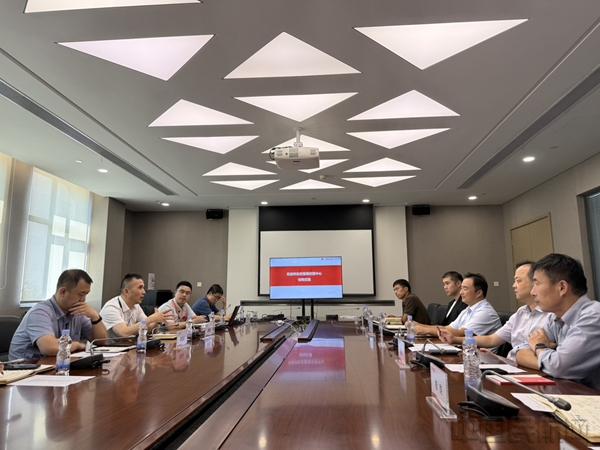
Core Viewpoint - The Jiangxi Civil Aviation Regulatory Bureau held a coordination meeting to enhance air-ground collaboration, focusing on problem orientation and collaborative efficiency to improve operational safety and efficiency in the aviation sector [1][2]. Group 1: Meeting Overview - The meeting included representatives from various aviation entities in Jiangxi, such as Jiangxi Airlines and Eastern Airlines Jiangxi Branch, to address operational pain points and promote proactive risk assessment [1]. - A review of the completion status of four key supervisory items from the 2024 air-ground coordination meeting was conducted [1]. Group 2: Key Discussions and Outcomes - Employees discussed high-frequency issues such as runway safety, operational efficiency, safety standards, and equipment upgrades, resulting in 14 collected opinions, with 6 immediate improvements made [1]. - The remaining issues were incorporated into a closed-loop management system categorized by "problem-measure-responsibility-timeline" [1]. Group 3: Future Directions - The regulatory bureau emphasized the need for a "problem-oriented upgrade" and a "collaborative efficiency upgrade," focusing on risk prediction and enhancing passenger service and operational efficiency [2]. - The air-ground coordination meeting has become a regular platform for collaboration among air-ground units, with plans to solidify meeting outcomes and ensure actionable implementation of suggestions [2].
哈尔滨机场航班正常性连续两个月位居全国两千万级以上机场榜首
Zhong Guo Min Hang Wang· 2025-07-02 06:57
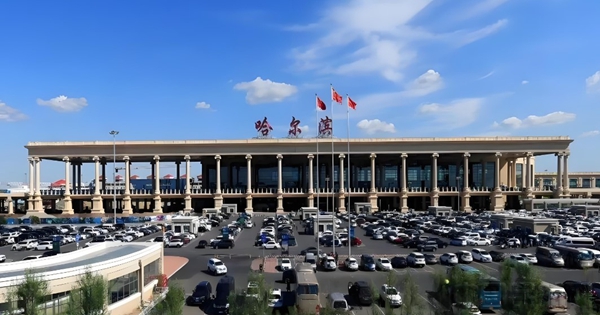
Core Insights - Harbin Airport has ranked first in flight punctuality among airports with over 20 million passengers for two consecutive months, showcasing its strong operational management capabilities and contributing to the high-quality development of the aviation industry [1][3]. Group 1: Flight Performance - In May, Harbin Airport achieved a flight release punctuality rate of 97.02% and a departure punctuality rate of 97.63%. In June, despite facing complex weather challenges, the airport maintained a release punctuality rate of 95.63% and a stable departure punctuality rate of 97.23%. Compared to the national average, June's flight punctuality was 7 percentage points higher [3][6]. - The impressive performance is attributed to the efficient coordination and precise control in flight scheduling, ground support, and weather response [3][6]. Group 2: Operational Management - Harbin Airport implements a refined management model, utilizing advanced data analysis and forecasting technologies to optimize flight distribution and ground support processes, significantly improving resource utilization and operational efficiency [6]. - The airport has established close cooperation with airlines and air traffic control departments, enabling rapid responses to complex weather and traffic control situations, ensuring continuity and stability in flight operations [6]. Group 3: Infrastructure and Technology - As the first dual-runway international airport in Northeast China, Harbin Airport benefits from significant hardware advantages, enhancing its capacity and support capabilities [6]. - The airport is equipped with intelligent bird control systems and anti-skid facilities, providing strong support for the safe takeoff and landing of flights [6]. Group 4: Passenger Experience and Future Development - The improvement in flight punctuality directly enhances the travel experience for passengers, allowing for better trip planning and reduced waiting times, which increases trust and satisfaction towards Harbin Airport [7]. - Moving forward, Harbin Airport aims to continue optimizing operational management processes, strengthen collaboration with various parties, and enhance flight punctuality levels while focusing on technological innovation and talent development for smarter and greener airport operations [7].
华东空管局空管中心青年管制员赴东航开展“空地协同”交流
Zhong Guo Min Hang Wang· 2025-03-31 01:35
Core Insights - The article discusses a "ground-air collaboration" youth job exchange activity organized by the East China Air Traffic Management Bureau, aimed at enhancing cooperation between air traffic control and Eastern Airlines [1][2] - The initiative involves young representatives from the air traffic control center experiencing various operational roles at Eastern Airlines, including flight dispatch and static flight simulation [1][2] Group 1 - The youth representatives from the air traffic control center visited the Eastern Airlines operation control center to understand the roles and collaboration among different positions [1] - Participants engaged in hands-on learning of basic operations for Boeing 737 and Airbus A320 aircraft under professional guidance [1] - The activity emphasized the importance of ground-air collaboration for safe and efficient flight operations [2] Group 2 - Following the event, the air traffic control center plans to continue joint activities with Eastern Airlines and other related units to establish a regular job exchange mechanism [2] - The initiative aims to create a safety culture ecosystem characterized by empathy, shared learning, and progress among young professionals in the industry [2]