空心病

Search documents
徐凯文:空心病与时代焦虑下,成为一个心理健康的学生有多难
Jing Ji Guan Cha Bao· 2025-12-26 02:06
Group 1 - The core issue of mental health problems among adolescents is becoming increasingly prominent, particularly in primary and secondary schools, exacerbated by recent educational policy reforms and the aftermath of the pandemic [1][2] - A significant study indicates that 17.5% of adolescents experienced some form of mental disorder within a year, highlighting a troubling trend where material wealth does not correlate with mental well-being [3][4] - The phenomenon of "hollow disease," characterized by a lack of values leading to mental disorders, is observed among students, with symptoms including depression, loneliness, and self-identity issues [7][8] Group 2 - The prevalence of depression among adolescents is alarming, with rates reaching 26.4%, particularly in competitive educational environments where the pressure to perform is intense [11][6] - Many students report feelings of loneliness and a lack of meaning in life, which can lead to severe mental health issues, including suicidal tendencies [13][30] - The educational system's focus on grades and external validation contributes to a cycle of anxiety and fear of evaluation, further exacerbating mental health challenges [25][63] Group 3 - The current educational landscape is criticized for its single-minded focus on academic performance, neglecting the development of a well-rounded character and values [59][60] - The rapid modernization in China has led to a clash of values between generations, creating a disconnect between parents and children regarding definitions of happiness and success [46][54] - The commodification of education, where academic success is equated with economic gain, has intensified the pressure on students, leading to a rise in mental health issues [68][70]
“怎么养都不对”的迷茫,或许来自当下最分裂的教养方式
Hu Xiu· 2025-06-02 01:08
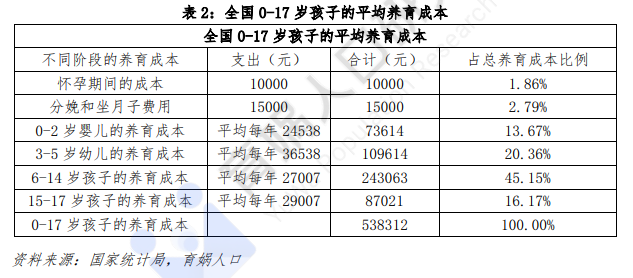
Group 1 - The article discusses the challenges and pressures faced by children and parents in the current educational environment, highlighting the disconnect between knowledge acquisition and real-life experiences [3][6][12] - It emphasizes the increasing mental health issues among children, with a notable rise in the demand for psychological services, indicating a growing concern for children's well-being [1][2][10] - The concept of "weak sense of reality" is introduced, describing how children feel disconnected from their own lives due to overly structured and perfectionist lifestyles [7][8][11] Group 2 - The article presents statistics on the rising costs of raising children in China, with an average cost of 538,312 yuan for children aged 0-17, and highlights the disparity between urban and rural costs [16][18] - It critiques the educational system's focus on grades and performance, leading to a sense of emptiness and lack of purpose among students, even those who excel academically [21][22] - The narrative suggests a shift in parental attitudes towards education, with some families opting for less structured and more experiential learning approaches, reflecting a broader societal change [22][23][24] Group 3 - The article concludes that education should focus on nurturing individuals rather than merely producing high scores, advocating for a more holistic approach that connects children with real-life experiences [25][26]