立春习俗

Search documents
独属中国人的立春仪式感,就藏在这里!
21世纪经济报道· 2026-02-04 04:56
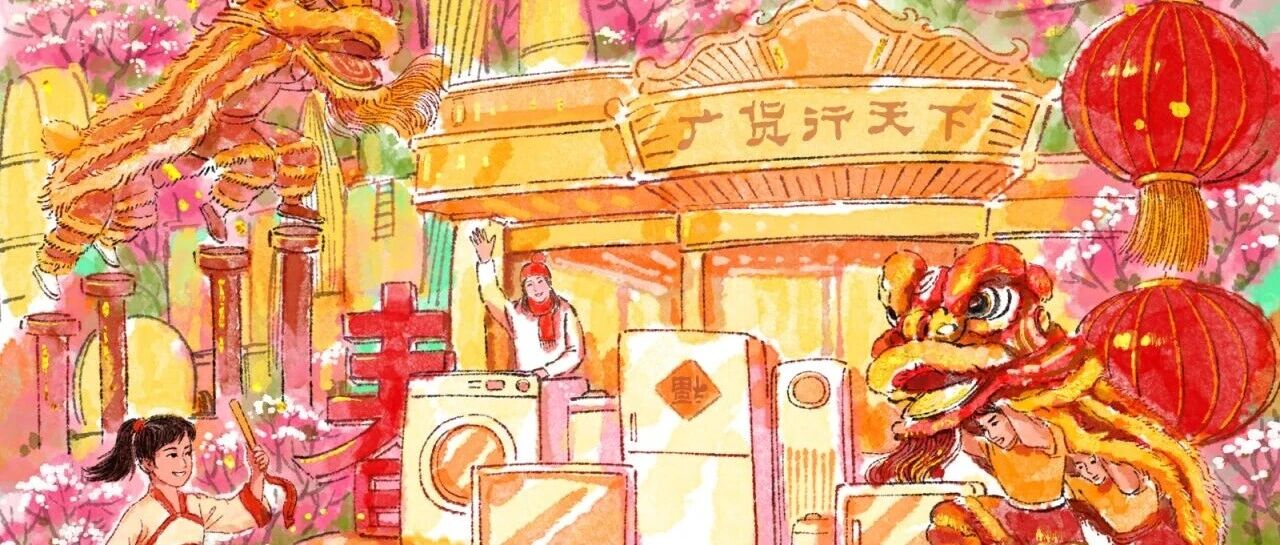
Core Viewpoint - The article emphasizes the cultural significance of the beginning of spring in Guangdong, highlighting how local customs and products embody the essence of the season and enhance the festive atmosphere [1][27]. Group 1: Spring Traditions - The tradition of "Yao Chun" involves eating spring vegetables and spring rolls, symbolizing freshness and the arrival of spring [6]. - Local delicacies such as Qingyuan chicken, Chenghai lion head goose, and Chaozhou beef balls are highlighted as part of the spring culinary experience [8]. - The custom of "Dai Chun Sheng" involves women wearing colorful paper and silk decorations in their hair, reflecting the vibrant spirit of spring [11]. Group 2: Fashion and Apparel - Guangdong, as a major producer of ready-to-wear clothing, incorporates spring colors into new garments, enhancing the seasonal experience [14]. - Notable fashion hubs like Humen for women's clothing and Shantou for underwear are mentioned as leading contributors to the spring fashion scene [17]. Group 3: Home and Lifestyle - The article discusses the practice of decorating homes with spring-themed items, such as welcoming paintings on doors, to celebrate the season [20]. - Guangdong's home appliances are noted for their quality and innovation, bringing the essence of spring into households [24]. - The integration of spring elements into clothing, food, and home appliances illustrates how Guangdong creates a comprehensive spring experience [28].

(寻味中华|节令)立春万象新 旧俗催农时
Xin Lang Cai Jing· 2026-02-04 02:01
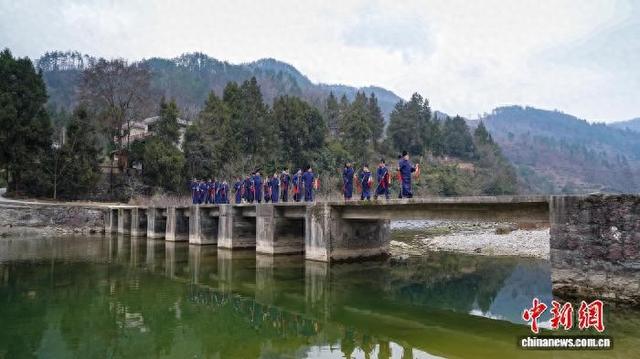
Core Viewpoint - The article discusses the significance of the traditional Chinese solar term "Lichun" (Beginning of Spring), highlighting its role as a cultural and agricultural marker in China, particularly in Guizhou Province, where local customs such as "Shuochun" (saying spring) are practiced to encourage farming activities and celebrate the arrival of spring [1][3][4]. Group 1: Cultural Practices - "Shuochun" is a traditional practice in which individuals, known as "spring officials," visit households to recite spring verses and deliver blessings, a custom that has been passed down for over 40 years in Shiqian County, Guizhou [3][4]. - The practice of "Shuochun" serves not only to remind farmers of the agricultural season but also to convey good wishes for prosperity, with historical roots tracing back to the Tang Dynasty and becoming popular during the Ming and Qing Dynasties [3][4]. - The "spring official" recitations include explanations of the 24 solar terms and other fixed verses related to agriculture, showcasing a blend of traditional knowledge and cultural education [4][7]. Group 2: Agricultural Significance - The customs associated with "Lichun," such as the "spring cow" rituals, symbolize the start of the farming season and are designed to motivate farmers to prepare for the upcoming agricultural activities [4][7]. - In modern times, while the agricultural guidance function of these customs has diminished, their value in cultural identity and psychological comfort has become more pronounced, helping individuals reconnect with nature and tradition [7]. - Various regions in China maintain their own unique customs for "Lichun," such as the "Jiuhua Lichun Festival" in Zhejiang and the "Dachun Niu" in Henan, which all serve to mark the beginning of spring farming [4][7].