农耕智慧

Search documents
(寻味中华|节令)立春万象新 旧俗催农时
Xin Lang Cai Jing· 2026-02-04 02:01
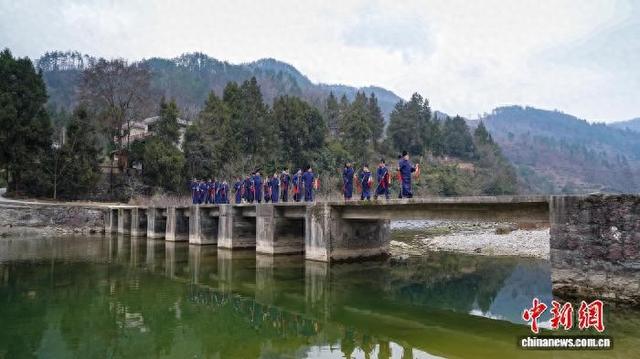
Core Viewpoint - The article discusses the significance of the traditional Chinese solar term "Lichun" (Beginning of Spring), highlighting its role as a cultural and agricultural marker in China, particularly in Guizhou Province, where local customs such as "Shuochun" (saying spring) are practiced to encourage farming activities and celebrate the arrival of spring [1][3][4]. Group 1: Cultural Practices - "Shuochun" is a traditional practice in which individuals, known as "spring officials," visit households to recite spring verses and deliver blessings, a custom that has been passed down for over 40 years in Shiqian County, Guizhou [3][4]. - The practice of "Shuochun" serves not only to remind farmers of the agricultural season but also to convey good wishes for prosperity, with historical roots tracing back to the Tang Dynasty and becoming popular during the Ming and Qing Dynasties [3][4]. - The "spring official" recitations include explanations of the 24 solar terms and other fixed verses related to agriculture, showcasing a blend of traditional knowledge and cultural education [4][7]. Group 2: Agricultural Significance - The customs associated with "Lichun," such as the "spring cow" rituals, symbolize the start of the farming season and are designed to motivate farmers to prepare for the upcoming agricultural activities [4][7]. - In modern times, while the agricultural guidance function of these customs has diminished, their value in cultural identity and psychological comfort has become more pronounced, helping individuals reconnect with nature and tradition [7]. - Various regions in China maintain their own unique customs for "Lichun," such as the "Jiuhua Lichun Festival" in Zhejiang and the "Dachun Niu" in Henan, which all serve to mark the beginning of spring farming [4][7].

涉县梯田上的故乡画卷
Xin Lang Cai Jing· 2026-01-24 09:20
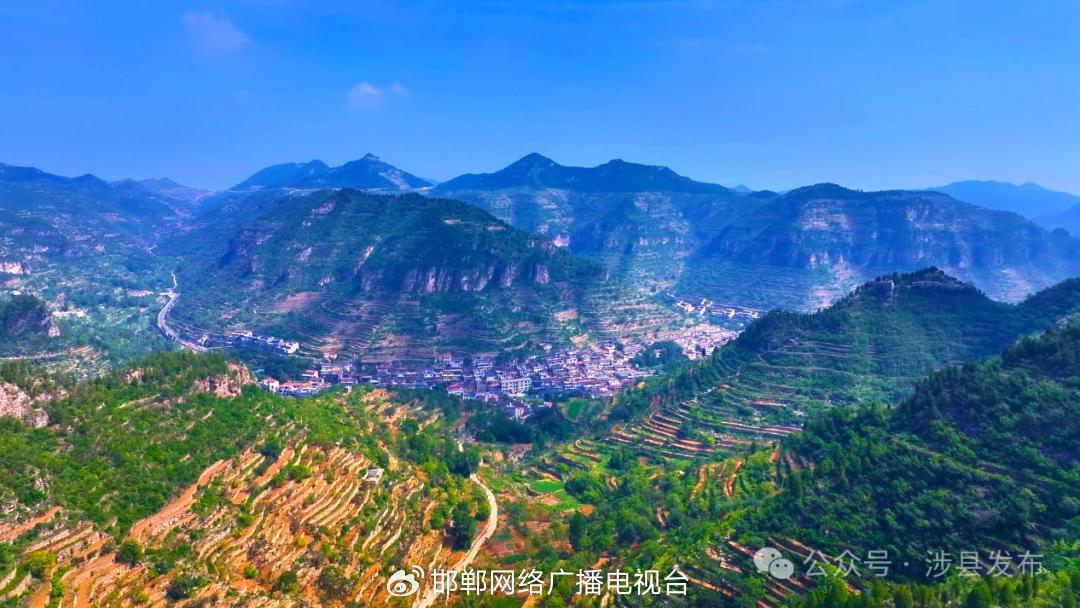
Group 1 - The essence of Shexian people's agricultural practices is reflected in their use of dryland terracing, showcasing ancient farming wisdom and the ability to conserve precious rainwater without irrigation [1][9] - The diverse agricultural landscape includes rice paddies in river valleys, symbolizing the harmony between humans and water, and demonstrating adaptability to local conditions [3][9] - Seasonal vegetables and fruits are cultivated in organized gardens and orchards, contributing to the local economy and daily life, while traditional medicinal herbs grow quietly in less visible areas [5][7] Group 2 - The land in Shexian serves as a fundamental element of life, representing a rich narrative that encompasses orchards, granaries, and medicinal gardens, all of which reflect the community's relationship with nature [7][9] - The continuous exploration of diverse farming methods by Shexian people illustrates their understanding of the land's language and their thoughtful responses to it, culminating in a harmonious coexistence [9]
福建农林大学第三届侯官文化节举行
Xin Lang Cai Jing· 2025-12-23 23:14
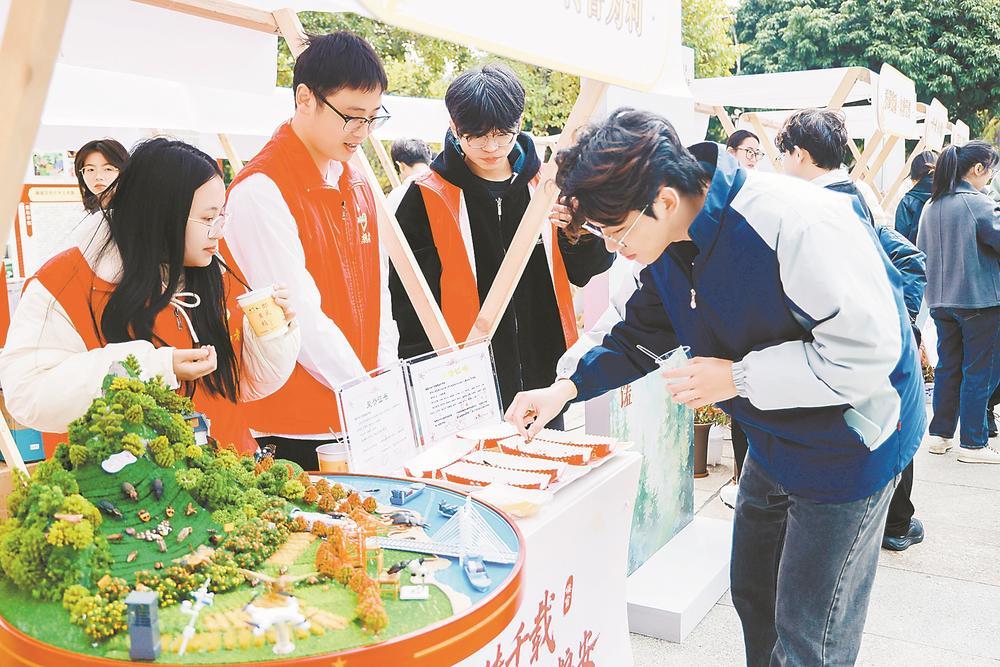
Core Viewpoint - The third Houguan Cultural Festival at Fujian Agriculture and Forestry University emphasizes the integration of agricultural wisdom and pioneering spirit, aiming to inspire students and faculty to contribute to the construction of a strong agricultural nation [2] Group 1: Cultural Festival Highlights - The festival features cultural displays, thematic forums, and interactive experiences to showcase the rich heritage of Houguan culture [2] - The event commenced with a recitation titled "Youth Towards Mountains and Seas" and a choir performance of "Houguan is My Home" [2] Group 2: Agricultural Innovations - The festival includes a cultural corridor that highlights the historical significance of sweet potato cultivation, tracing back to Chen Zhenlong, known as the "Father of Chinese Sweet Potato," and the university's ongoing contributions over the past fifty years [2] - The interactive experience area showcases innovative achievements in various fields such as the sweet potato industry chain, marine aquaculture, forest food, and smart agriculture [2] - Notable achievements include the new sweet potato variety "Jinshu 45," which has a yield exceeding 3,800 kilograms per mu, and green production technology for rice that increases farmers' income by over 1,000 yuan per mu [2]
农耕智慧 历久弥新(新时代画卷)
Ren Min Ri Bao· 2025-06-11 08:19
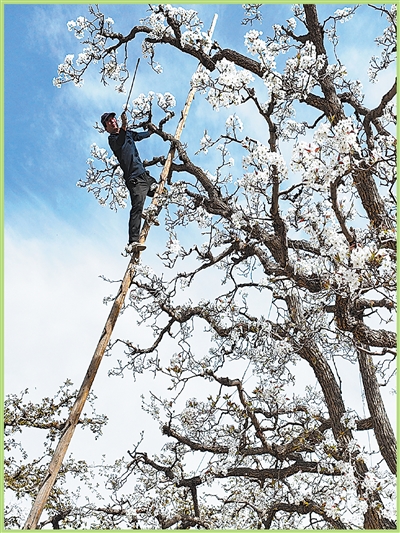
Core Points - The Gansu Gaolan Shichuan Ancient Pear Garden System, Zhejiang Deqing Freshwater Pearl Composite Breeding System, and Fujian Fuding White Tea Culture System have been recognized as Globally Important Agricultural Heritage Systems by the Food and Agriculture Organization (FAO) [15][16] - China now has a total of 25 Globally Important Agricultural Heritage Systems, maintaining the highest number in the world [15][16] - The recognition emphasizes the importance of protecting agricultural cultural heritage as a shared responsibility of humanity [15][16] Gansu Gaolan Shichuan Ancient Pear Garden System - Located in Gansu Province, this system features unique agricultural practices such as "Tianbashi" high-altitude operations and ecological methods like integrated farming and traditional preservation techniques [2][10] - The system reflects the wisdom of harmonious coexistence between humans and nature, showcasing sustainable agricultural practices [15][16] Zhejiang Deqing Freshwater Pearl Composite Breeding System - Situated in Zhejiang Province, this system is based on the mutualistic relationship between fish and mussels, utilizing local pearl farming techniques [6][10] - It encompasses a diverse range of aquatic biological resources, promoting ecological balance and sustainability [6][10] Fujian Fuding White Tea Culture System - Located in Fujian Province, this system is characterized by unique tea varieties and traditional tea-making techniques, supported by favorable geographical and climatic conditions [10][11] - The tea industry in Fuding has significant economic value, with a total tea garden area of 319,100 acres and a comprehensive industry output value of approximately 15.52 billion yuan [11][15] Economic and Cultural Value - Agricultural cultural heritage systems not only provide production and ecological functions but also contribute to economic, social, cultural, and technological values [16] - Research indicates that the brand value of agricultural products from these heritage systems can increase by 10% to 30%, with local residents benefiting significantly from protection and utilization efforts [16]