
春饼

Search documents
文博日历丨那个吹火的背影,像极了记忆中的年
Xin Lang Cai Jing· 2026-02-20 13:29
Core Viewpoint - The article highlights a series of cultural activities titled "Celebrating the New Year in Museums," organized by CCTV News in collaboration with various museums, showcasing the rich culinary traditions of the Tang Dynasty during the Spring Festival [1]. Group 1: Activities and Exhibitions - From the second to the seventh day of the Lunar New Year, museums are hosting the "Museum New Year Calendar" series of events [1]. - The "Tang Dynasty Kitchen" exhibition at the Wuhan Museum features a recreation of a 1,000-year-old kitchen, emphasizing the vibrant human activity and culinary practices of the time [26]. - The exhibition includes immersive experiences, allowing visitors to engage with the rich cultural heritage and aesthetic beauty of ancient ceramics [28]. Group 2: Culinary Traditions - The Tang Dynasty kitchen is depicted with a clear division of labor, showcasing a "kitchen assembly line" that reflects the era's culinary practices [7]. - Various types of food, including dumplings, mooncakes, and a variety of flatbreads, highlight the diversity of Tang Dynasty cuisine, with an emphasis on lamb as a primary protein source [21][17]. - The article mentions a traditional dessert called "Su Shan," an ancient form of ice cream, illustrating the sophistication of Tang Dynasty desserts [23]. Group 3: Cultural Performances - The museum will host lion dance performances by the Foshan Lion Dance Team from the fifth to the seventh day of the Lunar New Year, enhancing the festive atmosphere [32]. - The combination of martial arts and lion dance performances aims to invigorate visitors and create a lively celebration of the New Year [35].


文脉里的春信:一份穿越千年的“春日尝鲜指南”
Xin Lang Cai Jing· 2026-02-05 20:15
Core Viewpoint - The article explores the cultural significance and evolution of "spring dishes" in Chinese culinary tradition, highlighting their connection to seasonal changes and historical practices [2][3][7]. Group 1: Historical Context - The tradition of "spring dishes" dates back to ancient China, with references found in texts from the Eastern Han Dynasty and the Jin Dynasty, emphasizing the importance of seasonal eating [2][3]. - By the Song Dynasty, the preparation of spring dishes became more refined, often featuring intricate presentations and becoming a customary gift among the nobility and commoners alike [3][4]. Group 2: Cultural Significance - "Spring dishes" serve as a cultural symbol, representing renewal and the connection between past and present, as seen in poetry that reflects on the themes of home and seasonal change [4][5]. - The practice of enjoying spring dishes has evolved into a modern ritual, where people continue to celebrate the arrival of spring through the consumption of seasonal vegetables and dishes [7]. Group 3: Culinary Artistry - The composition of spring dishes emphasizes a balance of flavors and nutritional benefits, showcasing the ancient wisdom of integrating health into daily meals [6]. - The modern interpretation of spring dishes, such as spring pancakes and rolls, reflects a continuity of tradition while adapting to contemporary tastes and practices [7].
春卷、春饼
Xin Lang Cai Jing· 2026-02-05 20:15
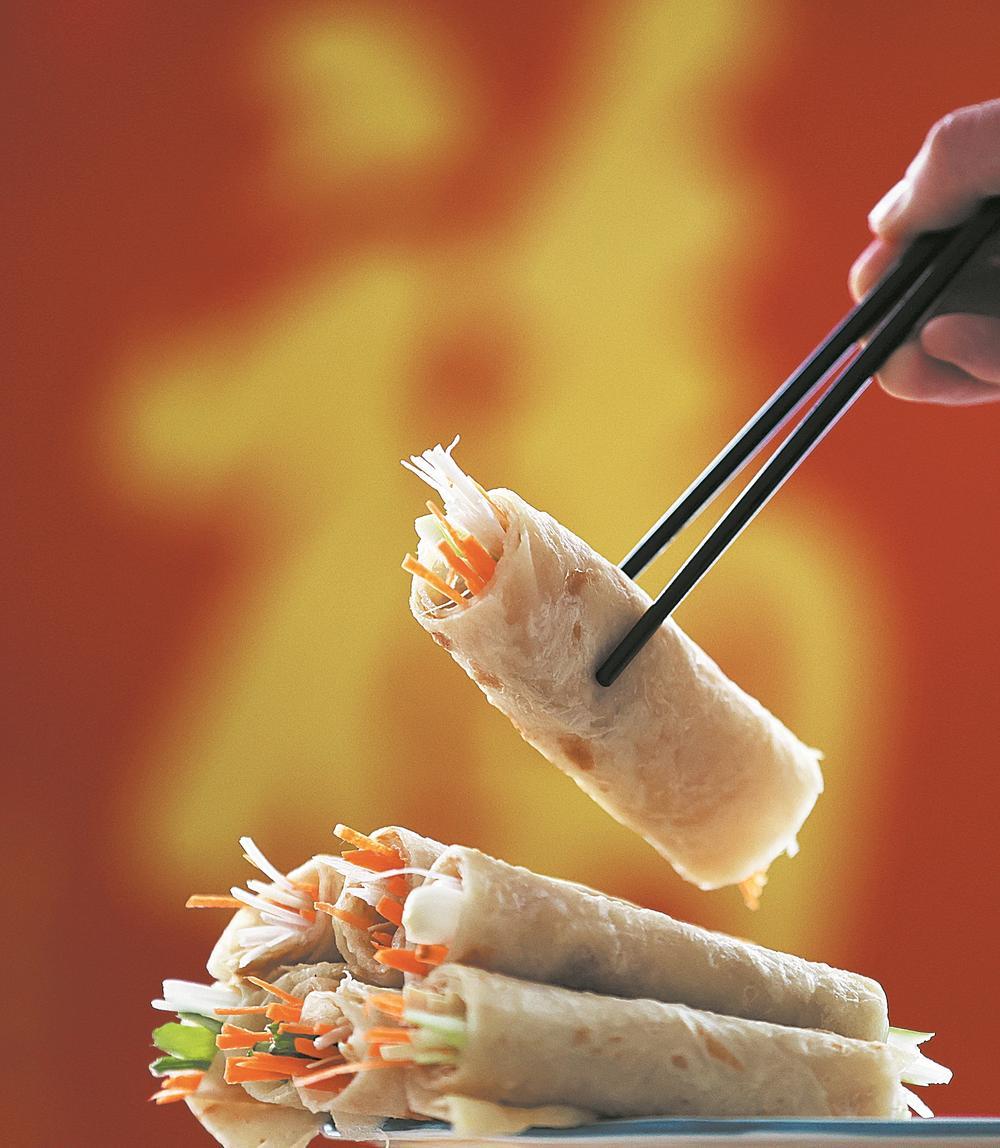
Core Viewpoint - The article emphasizes the cultural significance and culinary traditions associated with spring rolls and spring pancakes, particularly during the arrival of spring, highlighting their role in celebrating the season and the associated customs of "biting into spring" [8][9]. Group 1: Cultural Significance - The arrival of spring is marked by various customs, including "biting into spring," which involves consuming spring rolls, spring pancakes, and other seasonal dishes [8][9]. - In different regions, such as Ningbo, it is customary to include spring rolls in the New Year's Eve dinner, symbolizing the joy and freshness of spring [8][9]. Group 2: Culinary Aspects - Spring rolls, originally known as spring pancakes, have a history dating back to the Eastern Jin Dynasty, with various ingredients used in their preparation, including vegetables and sometimes meat [9]. - The preparation of spring rolls involves making thin pancakes from flour and water, which are then filled with a variety of ingredients, showcasing both sweet and savory options [10]. - The article describes the sensory experience of eating spring rolls, highlighting their crispy texture and flavorful fillings, which evoke a sense of joy and anticipation for the new season [10].
文化中国行丨二十四节气·立春 聆听春的脚步 感受万物萌动
Yang Shi Xin Wen Ke Hu Duan· 2026-02-05 01:47
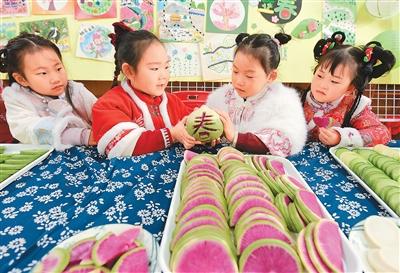
Group 1 - The arrival of the Beginning of Spring (Lichun) marks the end of winter and the onset of spring, symbolizing the awakening of nature [1][4] - The folk custom of "whipping the spring ox" signifies the start of agricultural activities, with spring plowing and management gradually unfolding across the country [3] - The season of Lichun is characterized by gentle winds, active waters, and awakening soil, indicating the revival of all living things [4] Group 2 - There is a saying that "eating the spring meal brings warmth for a day," highlighting the cultural significance of seasonal foods during this time [6] - Traditional customs include eating spring pancakes and spring rolls, which are associated with the celebration of the season and the joy of new beginnings [6]

西城区老字号“咬春”联动促消费,预热节前市场
Bei Jing Ri Bao Ke Hu Duan· 2026-02-05 01:00
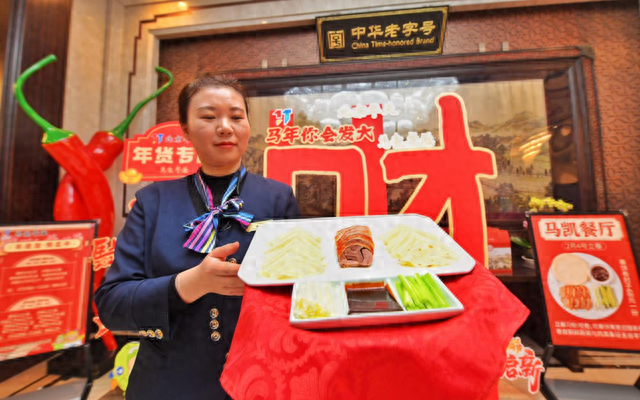
Core Viewpoint - Beijing Huatiangroup's traditional restaurants are actively promoting seasonal dishes and interactive activities to celebrate the arrival of spring and prepare for the upcoming Chinese New Year, enhancing customer engagement and driving sales [1][6]. Group 1: Seasonal Promotions - Multiple traditional restaurants under Beijing Huatiangroup, including Songheju, Gulou Makei, and Tongchun Garden, have launched special spring-themed menus and activities to align with the "Yaochun" custom, featuring dishes like spring pancakes and spring rolls [1][4]. - The signature spring rolls from Tongchun Garden and the "Yaochun" pancake set from Gulou Makei have gained popularity among customers on the day of the spring festival [3][4]. Group 2: Interactive Activities - The "New Year Lucky Spin" activity has been introduced by the traditional restaurant alliance, allowing customers to participate and win prizes, which include signature dishes and discount vouchers, creating a festive atmosphere [6]. - Celebrated as the "National Canteen," Qingfeng Steamed Bun Shop has launched a promotional event offering free spring rolls with a minimum purchase, engaging younger customers through social media interactions [6]. Group 3: New Year Preparations - As the Chinese New Year approaches, the demand for year-end dinner packages remains high, with reservations for private rooms at traditional restaurants already fully booked for New Year's Eve [7]. - Various brands have introduced New Year gift boxes, allowing customers to enjoy traditional dishes at home, with over 300 gift boxes sold, highlighting the appeal of these offerings [7].
视频丨“立春一日,水暖三分” 解码古老农谚背后的科学原理
Yang Shi Xin Wen Ke Hu Duan· 2026-02-04 06:31
Group 1 - The arrival of the "Beginning of Spring" (Lichun) marks the end of winter and the start of warmer temperatures, with many regions in China experiencing temperatures 8-10°C higher than the historical average for this time of year [1][13] - The phrase "Lichun Yiri, Shui Nuan San Fen" indicates that with the arrival of spring, water temperatures begin to rise, signaling the awakening of nature [2][9] - Historical observations have led to a deep understanding of climate changes associated with Lichun, reflecting ancient wisdom in the interpretation of seasonal shifts [4][11] Group 2 - The phrase "Lichun Qi Dongfeng, Tian He Shou Cheng Feng" symbolizes the arrival of the east wind, which is associated with favorable weather conditions for agriculture, indicating a shift from cold to warm air masses [14][15] - The east wind brings necessary moisture and temperature conditions that benefit the growth of crops, particularly in northern regions where winter wheat begins to thrive [19][21] - This agricultural wisdom is still relevant today, as it helps guide farming practices and seasonal preparations [21] Group 3 - The custom of eating spring pancakes during Lichun reflects a cultural practice that aligns with seasonal dietary needs and symbolizes hopes for a prosperous year ahead [22][28] - The preparation of spring rolls in various regions showcases local culinary traditions that celebrate the arrival of spring and the abundance of fresh ingredients [24][26] - The practice of "biting into spring" (Yao Chun) emphasizes gratitude for nature's offerings and the transition from winter scarcity to spring abundance [28]

(寻味中华|节令)立春万象新 旧俗催农时
Xin Lang Cai Jing· 2026-02-04 02:01
Core Viewpoint - The article discusses the significance of the traditional Chinese solar term "Lichun" (Beginning of Spring), highlighting its role as a cultural and agricultural marker in China, particularly in Guizhou Province, where local customs such as "Shuochun" (saying spring) are practiced to encourage farming activities and celebrate the arrival of spring [1][3][4]. Group 1: Cultural Practices - "Shuochun" is a traditional practice in which individuals, known as "spring officials," visit households to recite spring verses and deliver blessings, a custom that has been passed down for over 40 years in Shiqian County, Guizhou [3][4]. - The practice of "Shuochun" serves not only to remind farmers of the agricultural season but also to convey good wishes for prosperity, with historical roots tracing back to the Tang Dynasty and becoming popular during the Ming and Qing Dynasties [3][4]. - The "spring official" recitations include explanations of the 24 solar terms and other fixed verses related to agriculture, showcasing a blend of traditional knowledge and cultural education [4][7]. Group 2: Agricultural Significance - The customs associated with "Lichun," such as the "spring cow" rituals, symbolize the start of the farming season and are designed to motivate farmers to prepare for the upcoming agricultural activities [4][7]. - In modern times, while the agricultural guidance function of these customs has diminished, their value in cultural identity and psychological comfort has become more pronounced, helping individuals reconnect with nature and tradition [7]. - Various regions in China maintain their own unique customs for "Lichun," such as the "Jiuhua Lichun Festival" in Zhejiang and the "Dachun Niu" in Henan, which all serve to mark the beginning of spring farming [4][7].

今天4时02分,正式迎来
Xin Lang Cai Jing· 2026-02-04 00:58
Group 1 - The article marks the arrival of the spring season with the beginning of the first solar term, "Lichun," symbolizing hope and renewal [1] - The three phases of Lichun are described: the east wind thawing the earth, hibernating insects stirring, and fish appearing as ice melts [4] - Traditional customs associated with Lichun include welcoming spring, eating specific foods like spring pancakes and radishes, and engaging in activities such as "Da Chun" (whipping the spring ox) [6][8] Group 2 - The article highlights popular spring pancake restaurants in Beijing, such as Fengyuan Spring Pancake Restaurant, known for its unique preparation and flavors [10][11] - The significance of fresh ingredients and traditional cooking methods is emphasized, with a focus on the quality of the pancakes and accompanying dishes [17][19] - The article also mentions various spring-themed events and activities taking place in Beijing, including cultural performances and flower exhibitions, enhancing the festive atmosphere of the season [20][34]

立春:一卷春饼,“咬”住春天(食愈24节气)
Ren Min Ri Bao Hai Wai Ban· 2026-02-03 22:56
Core Viewpoint - The article discusses the cultural significance and health benefits of traditional Chinese food practices during the beginning of spring, particularly focusing on the custom of "Yaochun" (biting into spring) and the preparation of spring pancakes with seasonal vegetables [6][11][17]. Group 1: Cultural Significance - "Yaochun" is a traditional custom that dates back to the Han Dynasty, symbolizing the farewell to winter and the welcoming of spring through the consumption of fresh vegetables [8][11]. - The practice has evolved over time, incorporating various regional ingredients and culinary techniques, reflecting the changing cultural landscape [9][10][11]. Group 2: Health Benefits - Spring is associated with the liver in traditional Chinese medicine, and it is important to consume foods that help to promote liver health and combat seasonal ailments [8][13]. - The article emphasizes the importance of using seasonal ingredients to support health during the transition from winter to spring, highlighting the balance of flavors and nutritional benefits of spring pancakes filled with various vegetables and proteins [12][13][17]. Group 3: Culinary Techniques - The preparation of spring pancakes can be done through steaming or pan-frying, with specific techniques recommended to achieve the desired texture and flavor [15][16]. - The filling for spring pancakes typically includes a mix of seasonal vegetables and proteins, which can be adjusted based on dietary needs, showcasing the flexibility of this dish [13][16].
老字号推“咬春”套餐,预热春节消费热潮
Bei Jing Ri Bao Ke Hu Duan· 2026-02-03 22:53
Group 1 - The core idea of the articles revolves around the celebration of the traditional Chinese solar term "Lichun" (Beginning of Spring) and the associated food customs, particularly in Beijing, where various time-honored brands are launching special menus and activities to attract customers [1][2]. - Beijing Huaten Group's well-known brands such as Tongheju, Gulou Makai Restaurant, Tongchun Garden, and Qingfeng Steamed Bun Shop are actively promoting seasonal dishes and themed events to enhance the festive atmosphere leading up to the Spring Festival [1]. - The "Lichun" custom is being emphasized by these restaurants, with offerings like the "Lichun Double Set Meal" from Tongheju, which features flavorful braised pork paired with fresh vegetables wrapped in spring pancakes, and innovative green pancakes made with spinach juice [1]. Group 2 - The market for New Year's Eve dinners remains robust, with reservations for private rooms at renowned restaurants like Tongheju and Tongchun Garden being fully booked well in advance [2]. - To cater to customers who wish to enjoy traditional delicacies at home, several brands are offering festive gift boxes that allow consumers to experience master-crafted dishes from the comfort of their homes [2].