符号互动论

Search documents
《哈利波特》的马尔福成中国马年福神?英国人看完都懵了!
36氪· 2026-02-15 13:07
Core Viewpoint - The article discusses the popularity of the "Malfoy Spring Couplets" among young people, highlighting how this trend reflects a shift in cultural expression and the desire for novelty during traditional celebrations like the Spring Festival [5][9]. Group 1: Psychological Insights - Young people's brains are more sensitive to new experiences, leading to a preference for innovative and unconventional expressions during traditional celebrations, which helps combat "aesthetic fatigue" associated with repetitive customs [11][12]. - The concept of "Optimal Arousal Level" suggests that engaging with unexpected cultural elements, like the "Malfoy Spring Couplets," can enhance emotional responses and enjoyment during the Spring Festival [13]. - The phenomenon of "hedonic adaptation" explains why traditional celebrations may feel less exciting over time, emphasizing the need for variety to maintain emotional engagement [21][22]. Group 2: Cultural Adaptation - The younger generation views cultural traditions as materials for "remix" rather than fixed legacies, allowing them to redefine the meaning of the Spring Festival through modern interpretations [15][16]. - The "Malfoy Spring Couplets" exemplify how young people incorporate familiar cultural symbols into new contexts, reflecting their cultural agency and confidence [16][17]. - The article posits that the evolving meanings of cultural symbols, such as "Spring Couplets" and "Fortune Characters," are shaped by generational interactions and reinterpretations [15][16]. Group 3: Social Interaction and Well-being - Engaging in playful cultural expressions, like sharing "Malfoy Spring Couplets" on social media, fosters social connections and enhances feelings of belonging and self-worth [27][28]. - The act of making personal choices in cultural practices, such as selecting unique Spring Couplets, can improve individuals' sense of autonomy and overall psychological well-being [24][25]. - The article emphasizes that the essence of "New Year flavor" lies not in specific forms but in the joy and interaction that these expressions bring, encouraging individuals to share their experiences [29].


时尚与反时尚的……
Huan Qiu Wang· 2025-09-19 05:20
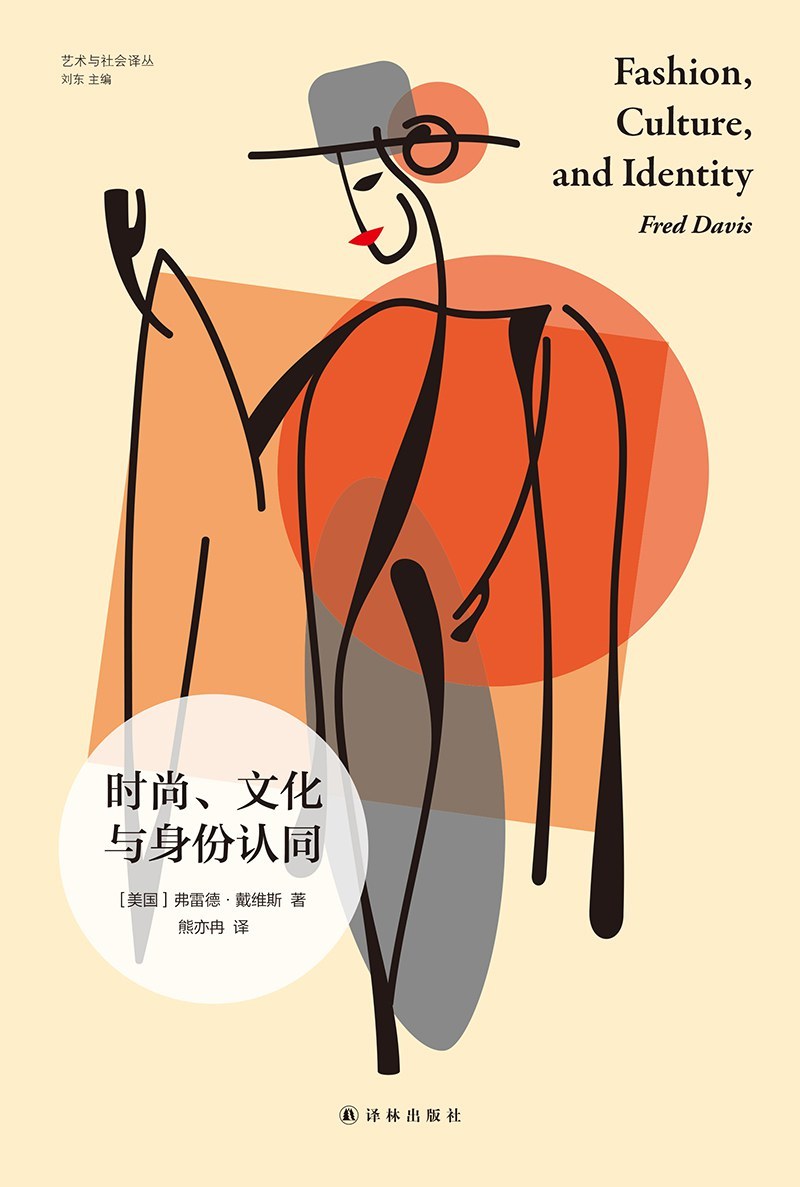
Core Argument - The book "Fashion, Culture, and Identity" by Fred Davis explores the relationship between fashion and social identity, emphasizing the significance of clothing as a means of communication and identity construction in modern society [3][11]. Group 1: Fashion and Social Identity - Davis argues that clothing serves as a symbolic language that conveys identity and social status, linking individuals to broader social structures and collective experiences [11][14]. - The book highlights the historical context of fashion, tracing its evolution and the socio-political implications of clothing choices throughout history [15][16]. - Davis critiques the traditional sociological neglect of fashion studies, advocating for a deeper understanding of the meanings and implications of clothing in social contexts [5][6]. Group 2: Theoretical Framework - The author draws on symbolic interactionism, a theory that emphasizes the role of symbols and interactions in shaping social reality, to analyze the complexities of fashion and identity [4][11]. - Davis identifies key characteristics of fashion coding, including ambiguity, context-dependence, and the varying interpretations across different social classes [11][12]. - The book discusses the interplay between fashion and power dynamics, illustrating how clothing can signify both status and resistance within societal structures [14][18]. Group 3: Historical Perspectives - The text references historical figures and events, such as Herodotus and the significance of clothing in ancient societies, to underscore the long-standing relationship between attire and identity [9][10]. - Davis examines the impact of socio-political movements on fashion, noting how clothing has been used as a tool for protest and identity assertion [17][19]. - The book also addresses the evolution of fashion regulations and their implications for social stratification and identity politics [15][16].
李公明︱一周书记:时尚与反时尚的……政治社会学思考
Xin Lang Cai Jing· 2025-09-18 03:49
Group 1 - The book "Fashion, Culture, and Identity" by Fred Davis explores the relationship between fashion and social identity, emphasizing the significance of fashion in understanding modern societal characteristics such as social movements and stratification [4][10]. - Davis critiques the lack of attention given to the "meaning" of fashion in sociological research, arguing that it connects producers, suppliers, and consumers [4][5]. - The book discusses the qualitative aspects of fashion research, highlighting the challenges in understanding the subjective meanings attached to clothing and how they relate to social identity [5][11]. Group 2 - Davis identifies three significant characteristics of fashion coding: context-dependence, varying interpretations across social classes, and a focus on "undercoding" rather than precision [10][11]. - The historical context of fashion is examined, noting that clothing has long served as a symbol of social status and identity, with legal and religious restrictions influencing dress codes throughout history [14][15]. - The concept of "cultural capital" is discussed, with Davis arguing against a purely class-based interpretation of fashion, suggesting that clothing can reflect a broader range of social communications [15][16]. Group 3 - The book addresses the political dimensions of fashion, particularly how clothing can serve as a form of political expression and identity in various contexts, including authoritarian regimes [18][19]. - Davis explores the phenomenon of "anti-fashion," which can serve as a form of resistance and social commentary, illustrating how fashion can both challenge and reinforce social norms [17][19]. - The relationship between fashion and collective identity is emphasized, with Davis noting that shared experiences and societal pressures shape individual expressions of identity through clothing [14][19].