第三代水果

Search documents
今天,为什么有三大理由不建议经销商选品选择果汁品类?
Xin Lang Cai Jing· 2026-02-03 10:29
Core Insights - The juice market in China has surpassed 180 billion, with high-end juice growing at an annual rate of over 10%, making it one of the most promising categories in the beverage industry [1] - Despite the growth, challenges such as severe product homogenization, frequent price wars, and thinning channel profits exist [1] - The article presents three reasons for distributors to reconsider their juice selections, ultimately guiding them to identify brands with long-term competitive advantages [1] Group 1: Product Differentiation - The juice market is saturated with similar products, making it difficult for consumers to distinguish between brands, leading to price being the primary decision factor [2][4] - The emergence of "Zhenwo Youxuan" with its "third-generation fruits" creates a unique product barrier, offering rare fruits that are not widely commercialized, thus ensuring their scarcity and high nutritional value [4][7] - Examples of Zhenwo Youxuan's products, such as 100% European plum juice, highlight their superior nutritional content, appealing to specific consumer groups like mothers and the elderly [7][11] Group 2: Supply Chain and Quality Assurance - The competition in the juice market ultimately hinges on supply chain capabilities, as high-end juice relies on the freshness and purity of raw materials [22] - Many small brands face challenges such as stock shortages and inconsistent product quality due to weak supply chains, which can damage distributor trust [24] - Zhenwo's strong foundation in the industry, with significant investments in smart production lines and standardized planting bases, ensures stable supply and quality control [24][26] Group 3: Targeting Young Consumers - The beverage market is primarily driven by younger consumers who seek not only hydration but also aesthetic appeal and social currency [12] - Zhenwo Youxuan's innovative packaging design caters to the preferences of young consumers, enhancing the product's marketability and social media presence [15][18] - By combining health benefits with trendy packaging, Zhenwo Youxuan positions itself as a lifestyle brand, appealing to the younger demographic and creating a strong sales momentum [21] Group 4: Market Opportunities - The juice market is highly competitive, and distributors must be cautious in their product selections to avoid ordinary products lacking differentiation [28] - Zhenwo Youxuan represents a significant opportunity for distributors, offering a unique product that stands out in a crowded market and promises substantial returns [31]


从黑草莓走红看果业新动向
Zhong Guo Jing Ji Wang· 2026-01-28 08:09
Core Insights - The cultivation of high-quality fruit varieties is a long-term endeavor, with significant returns expected over time. The future direction for strengthening the fruit industry involves ensuring basic consumer needs while developing top domestic fruit varieties through market-oriented research, standardized planting, and social services [1][4]. Group 1: Market Trends - The emergence of black strawberries, priced at over 100 to 300 yuan per pound, has sparked discussions about the new trends in the fruit industry, highlighting the competitive cultivation of fruit varieties [1]. - The concept of "third-generation fruits," which includes wild mountain fruits and newly cultivated premium fruits, is gaining popularity, indicating a shift in consumer preferences towards unique and high-value products [3]. Group 2: Consumer Behavior - Consumers in China have diverse preferences for fruits, and the market must cater to various price points and nutritional needs. This diversity suggests that not all consumers will seek out high-end fruits, as many are satisfied with more affordable options [2]. - The willingness of some consumers to pay a premium for unique fruits creates opportunities for producers, but it is essential that the benefits of high prices also reach the production end to support farmers [2]. Group 3: Industry Challenges - Despite the development of numerous domestic fruit varieties, the industry faces challenges in meeting consumer demand, particularly as imports increase and domestic competition intensifies [3]. - The fruit industry has seen a decline in international competitiveness, with China transitioning from a net exporter to a net importer of fruits [3].
中经评论:从黑草莓走红看果业新动向
Jing Ji Ri Bao· 2026-01-27 00:02
Core Viewpoint - The rise of black strawberries and other third-generation fruits reflects new trends in the fruit industry, highlighting the need for competitive cultivation practices and market adaptability [1][2]. Group 1: Market Trends - Black strawberries have gained popularity with prices reaching over 100 to 300 yuan per pound, leading to discussions about their market positioning as a "new luxury fruit" [1]. - The fruit industry in China is characterized by a diverse range of products, catering to various consumer preferences and price points, which is essential for meeting the needs of a large population [2]. - The market for unique fruits can be lucrative; even a small percentage of consumer interest can lead to significant market opportunities [2]. Group 2: Consumer Behavior - Consumer preferences vary, with some willing to pay a premium for novelty, while others find satisfaction in more affordable options [2]. - The perception of fruit value is influenced by factors such as rarity and production costs, with high prices often reflecting limited supply [1]. Group 3: Industry Development - The concept of "third-generation fruits" includes newly cultivated varieties that are gaining market attention, while traditional fruits remain valuable and economically viable [3]. - The fruit industry has seen a shift towards premium pricing for high-quality products, encouraging producers to innovate and develop new varieties [3]. - Despite advancements in domestic fruit cultivation, the industry faces challenges from increasing imports and declining international competitiveness [3][4]. Group 4: Future Directions - The development of high-quality fruit varieties requires long-term investment and commitment, with successful examples like the Giant and Sunlight Rose grapes demonstrating the potential for market success [4]. - Future growth in the fruit industry will depend on meeting basic consumer needs while also focusing on market-driven research, standardized cultivation, and social services to enhance domestic fruit production [4].
“第三代水果”都出来了,有何“过果之处”?
Xin Lang Cai Jing· 2026-01-15 16:21
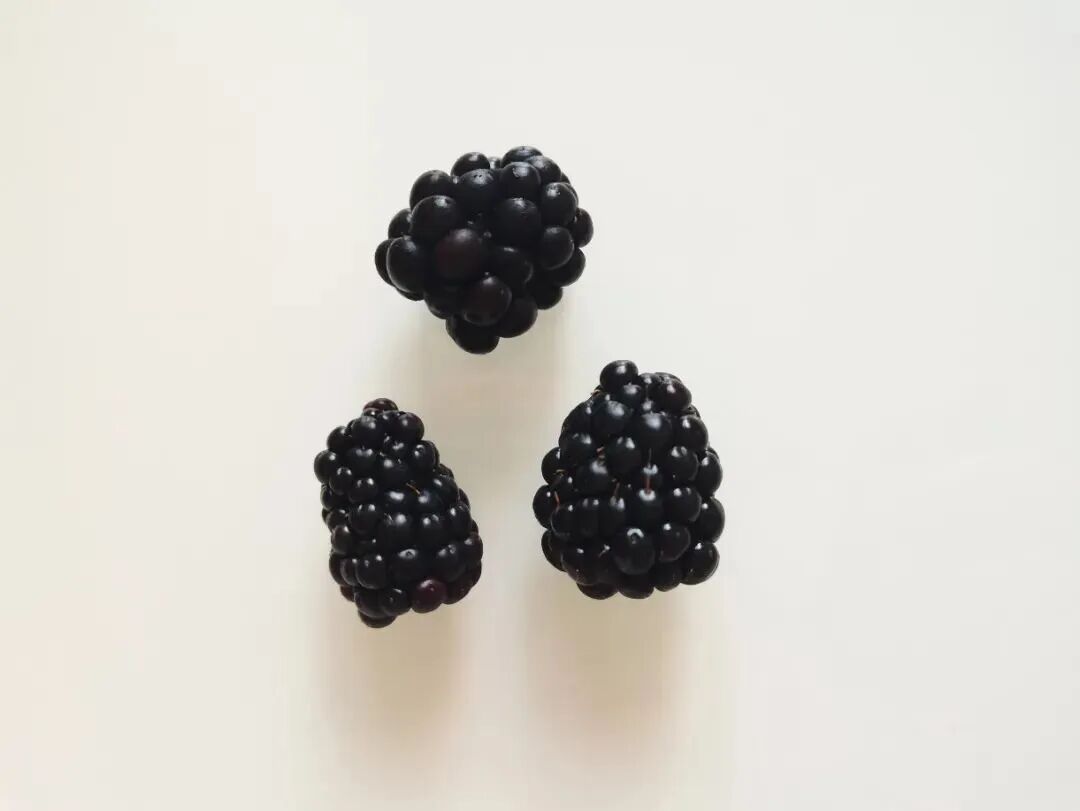
Core Viewpoint - Blackberry, often referred to as the "black diamond" of fruits, is gaining popularity in China due to its rich nutritional profile and health benefits, despite its high price and limited availability in certain regions [3][9]. Group 1: Nutritional Benefits - Blackberries contain a high water content of nearly 90%, making them refreshing and hydrating [3]. - They are rich in anthocyanins, with a concentration of 114.4 to 241.5 mg per 100 grams, which is significantly higher than strawberries (7-18 mg/100g) and grapes (20.6 mg/100g) [6][8]. - Regular consumption of blackberries can help maintain youthfulness and prevent chronic diseases, with studies indicating that increasing anthocyanin intake can reduce the risk of coronary heart disease by 12%-32% [6][8]. Group 2: Comparison with Other Berries - While blackberries have lower anthocyanin content compared to blueberries (387-487 mg/100g), they still outperform strawberries and grapes by 5 to 35 times [6]. - Blackberries also provide higher levels of vitamin C (21 mg/100g), dietary fiber (5.3 g/100g), and potassium (162 mg/100g) compared to blueberries [8]. Group 3: Market and Pricing - Fresh blackberries are relatively expensive in northern China, costing around 70-80 yuan for half a kilogram, making them a luxury item for many consumers [9]. - Frozen blackberries are a more affordable alternative, maintaining most of their nutritional value and flavor even after freezing [9][12]. Group 4: Storage and Preparation - Blackberries are sensitive to storage and transport, with a short shelf life at room temperature, typically lasting only two days [9]. - Freezing blackberries can preserve their nutrients, with studies showing that most compounds remain stable or even increase during freezing [12].