
刺梨

Search documents
我省举办农业科企合作农特产品展
Xin Lang Cai Jing· 2026-02-08 22:43
Group 1 - The exhibition "Guizhou Agricultural Science and Enterprise Cooperation Special Products Exhibition" was launched to promote Guizhou's modern mountain characteristic efficient agriculture, featuring over 60 quality agricultural enterprises and products such as tea, prickly pear, chili, and deep-processed items like Huaxi beef noodles and sour soup products [1] - The event aims to create a platform for citizens and buyers to experience innovative, high-quality agricultural products while fostering a festive atmosphere and promoting local flavors [1] - The Guizhou Academy of Agricultural Sciences is focusing on agricultural technology transformation and exploring new models of cooperation with enterprises, aiming to establish an agricultural technology incubator and service platform by 2025 [1] Group 2 - The "Rolling Mountain Chicken" is a local high-quality chicken breed in Nayong County, with a focus on developing specialty products through collaboration with the Guizhou Academy of Agricultural Sciences [2] - In 2025, the Academy aims to drive innovation by approving 329 projects, cultivating 65 new varieties, and promoting 116 new technologies, contributing to a 1.9% increase in grain yield and a 4.4% growth in primary industry added value [2] - The Academy plans to deepen cooperation with enterprises, sending over 450 technology specialists to support rural industrial revitalization and collaborating with more than 80 companies to enhance technology innovation and product development [2]
黔川如何共话“一锅鲜”?这场座谈会有答案
Nan Fang Nong Cun Bao· 2026-02-07 04:03
Core Insights - The meeting focused on the collaboration between Guizhou and Sichuan provinces, particularly in promoting Guizhou's agricultural products to the Sichuan hot pot market [5][6][12] Group 1: Meeting Objectives and Participants - The event gathered leading agricultural enterprises, industry associations, and key representatives from the catering supply chain from both provinces to enhance cooperation [5][6] - The meeting aimed to facilitate the precise alignment of Guizhou's high-quality agricultural products with the Sichuan dining market [6][12] Group 2: Strategic Importance and Market Potential - Geographically, the proximity of Guizhou and Sichuan provides a natural foundation for cooperation, with both regions benefiting from complementary advantages [9][10] - Chengdu's position as a core city in the Chengyu economic circle offers a robust platform for industrial collaboration, with strong consumer vitality and circulation advantages [11][12] Group 3: Product Promotion and Collaboration Suggestions - Guizhou Agricultural Development Group presented its strategic layout, which includes four main industries and five platforms, focusing on vegetables, beef, prickly pear, and duck [19][20] - Suggestions for collaboration included building an efficient hot pot ingredient supply chain, joint product development, and creating a brand promotion platform to enhance the integration of Guizhou products with Sichuan cuisine [23][25] Group 4: Product Characteristics and Market Reception - The unique qualities of Guizhou's "running mountain beef" were highlighted, emphasizing its firm texture and flavor, making it ideal for Sichuan hot pot [30][32] - Guizhou's prickly pear juice was presented as a complementary product to Sichuan hot pot, offering a refreshing taste that balances the spiciness of the dishes [35][38] Group 5: Feedback from Sichuan Representatives - Sichuan representatives expressed strong interest in Guizhou's ecological and high-quality ingredients, focusing on practical aspects of collaboration [41][50] - Concerns regarding procurement standards, quality control, and logistics efficiency were raised, indicating a need for a sustainable cooperation model between the two regions [50][56]


远方好物:深化跨区域消费帮扶 助力乡村振兴再拓圈
Sou Hu Cai Jing· 2026-02-06 08:21
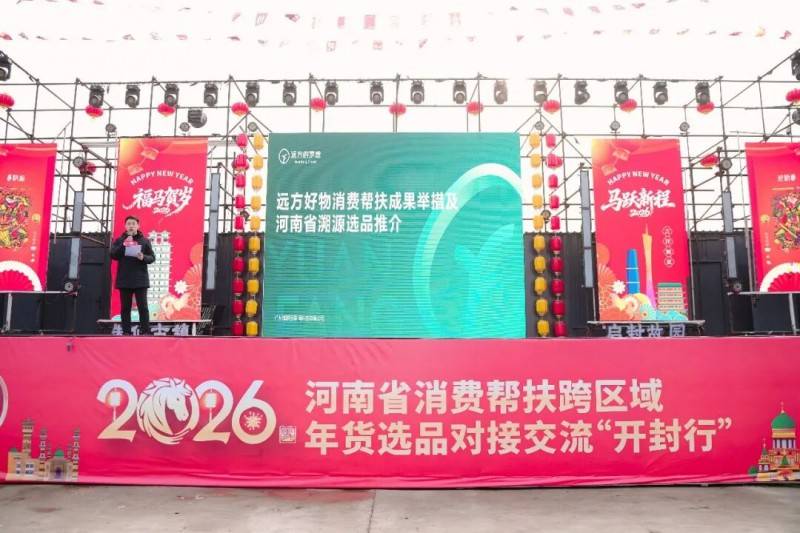
Group 1 - The core event was the cross-regional New Year goods selection and exchange activity held in Kaifeng, Henan Province, showcasing the practical paths and achievements of Yuanfang Haowu in the field of consumption assistance [1] - Yuanfang Haowu's strategy focuses on creating a "hit product" to boost an industry and benefit local people, emphasizing overall industrial development rather than just product sales [3] - The company has established deep cooperation with 26 quality suppliers from cities like Zhengzhou, Luohe, and Nanyang in Henan, aiming to promote high-quality local products to broader markets [3] Group 2 - Yuanfang Haowu's operational model is rooted in the concept of "trust e-commerce," aiming to create transparent and trustworthy links between consumers and producers [7] - The platform is preparing for a provincial-level traceability live broadcast event in Henan to enhance the recognition of local agricultural products among national consumers [7] - The company has introduced a regional consumption cooperation platform, providing comprehensive support from market research to marketing for products that have not yet met high market standards, reflecting a long-term vision [7][8] Group 3 - By deepening collaboration with local governments and source enterprises, Yuanfang Haowu extends the "trust e-commerce" concept into a stable production and sales link, facilitating efficient and precise resource and market connections [8] - This model, based on trust and driven by industrial upgrades, is continuously activating strong engines for rural development, injecting new vitality and possibilities into the integration of consumption assistance and rural revitalization [8]
两会会客厅丨毕节市市长姚轶:全面系统盘点毕节比较优势 加快建设贯彻新发展理念示范区
Xin Lang Cai Jing· 2026-01-30 03:09
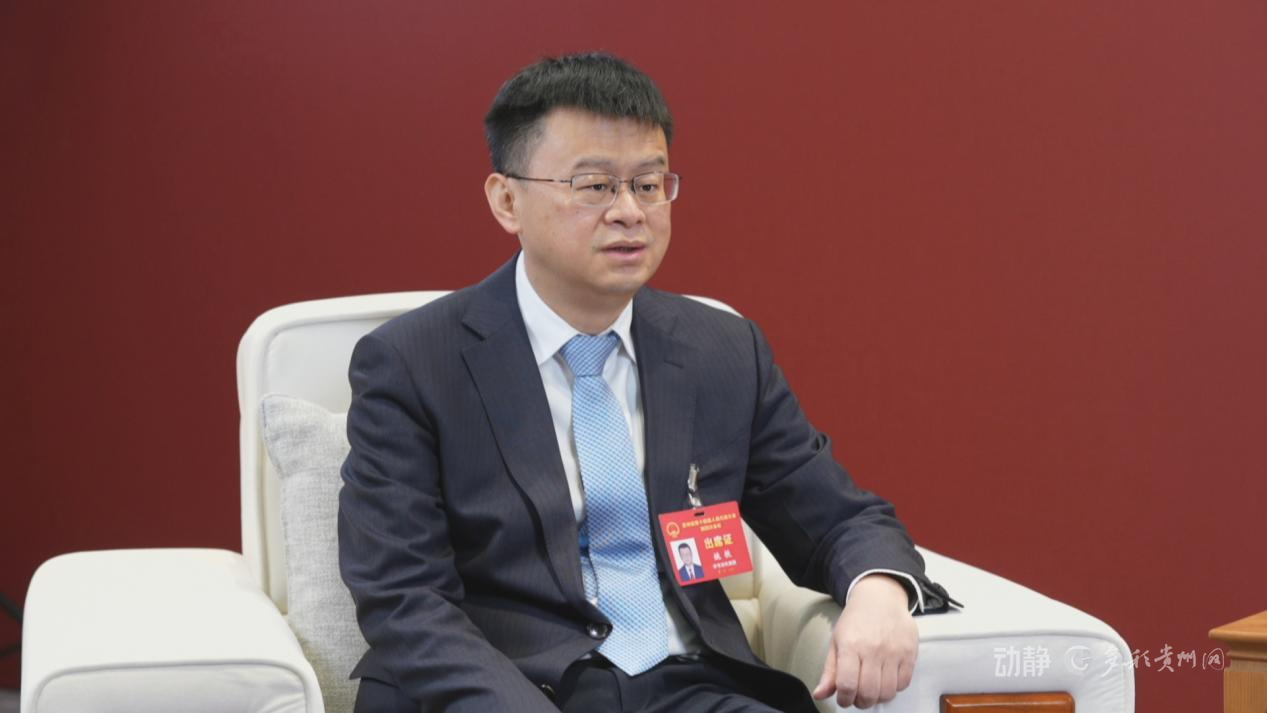
Core Viewpoint - The Guizhou provincial government emphasizes the need to implement a strategy that strengthens comparative advantages and accelerates the construction of a modern industrial system unique to Guizhou, particularly focusing on the development of the Bijie area as a demonstration zone for new development concepts [1]. Group 1: Comparative Advantages - Bijie has three notable comparative advantages: 1. Policy advantages due to strong support from the central government and local authorities, including the approval of the "High-Quality Development Plan for Bijie" and various supportive policies from 23 national ministries [2]. 2. Abundant mineral resources, with 55 types of mineral resources identified, including coal (318.4 billion tons, 39.5% of the province), phosphorus (15 billion tons, 28.2%), and iron (5.7 billion tons, 55.8%) [3]. 3. A young and sufficient labor force, with a total population of 9.57 million and an average age of 32.9 years, providing a stable workforce of over 2 million skilled laborers [6]. Group 2: Industrial Development Plans - The industrial strategy focuses on a "3+2+1" new industrial system: 1. Development of three major industrial clusters: new comprehensive energy, new energy batteries and materials, and resource deep processing [7]. 2. Growth of two key industries: textile and clothing, and food and medicine processing, leveraging local agricultural products [7]. 3. Upgrading traditional manufacturing through new technologies and processes [7]. Group 3: Service and Agricultural Sectors - The service sector aims to establish a "5+2+N" modern service industry system, focusing on five key support industries: modern logistics, finance, cultural tourism, real estate, and the hospitality industry, while also exploring new opportunities in low-altitude economy and data annotation [9]. - In agriculture, the focus is on ensuring food security while strengthening key industries such as Chinese yam, potatoes, and beef, and optimizing specialty industries like vegetables and medicinal herbs [9]. Group 4: Project and Infrastructure Development - The city has planned 34 major industrial projects with an investment scale exceeding 200 billion yuan, aiming to attract leading enterprises and enhance industrial coupling and resource allocation [10]. - Infrastructure projects include 138 industrial support facilities and 58 industrial roads totaling 771 kilometers, ensuring robust support for project implementation [10].
科技小院,扎根乡土茁壮生长(深阅读)
Ren Min Ri Bao· 2026-01-30 02:33
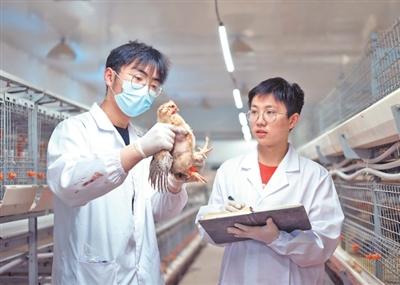
Core Viewpoint - The article highlights the integration of agricultural education and practical rural development through "Science and Technology Small Courtyards," which aim to enhance agricultural productivity and support rural revitalization in China [5][6]. Group 1: Science and Technology Small Courtyards - The "Science and Technology Small Courtyard" initiative promotes the combination of classroom learning and rural practice, fostering a love for agriculture and developing skills for agricultural advancement [5]. - In Hunan's Xifu Village, the establishment of a modernized breeding industry has attracted young talent, with the local agricultural university collaborating to enhance livestock research and production [6][7]. - The initiative has led to significant outcomes, including the training of over 1,500 local farmers and the establishment of multiple demonstration points, resulting in an increase in local income by over 18 million yuan [8]. Group 2: Specific Case Studies - In Guizhou's Qixingguan District, the establishment of a prickly pear technology small courtyard has improved local farmers' skills and increased planting efficiency, with over 8,000 farmers trained [9][10]. - The prickly pear cultivation area has expanded to over 3,400 acres, with a yield increase of 34.9% and a vitamin C content increase of 46.2%, generating an annual output value exceeding 7 million yuan [10]. - In Xinjiang's Bole City, a technology small courtyard focused on ecological restoration of desertified grasslands has successfully cultivated over 20,000 acres of land, improving grass yield and involving nearly 1,000 local herders [11][12].
科技小院,扎根乡土茁壮生长
Ren Min Ri Bao· 2026-01-29 23:08
Core Insights - The article emphasizes the integration of classroom learning with rural practice to cultivate a love for agriculture and develop skills for agricultural prosperity, as highlighted by President Xi Jinping's message to students at China Agricultural University [2] - The "Rural Comprehensive Revitalization Plan (2024-2027)" aims to promote agricultural education and production practice through initiatives like "Science and Technology Small Courtyards" [2] Group 1: Hunan Changsha County Xifu Village - The Xifu Science and Technology Small Courtyard has become a model for modern livestock industry development, attracting young talent and transforming the local economy [4] - The courtyard was established in 2018, utilizing pilot funds to build research facilities and has since hosted over 100 graduate students annually from Hunan Agricultural University [4][5] - The initiative has led to significant research outcomes, including a study on the growth patterns of meat chickens, which was successfully implemented by a local enterprise [4] Group 2: Guizhou Qixingguan District Longfeng Village - The establishment of the Qixingguan Pear Technology Small Courtyard has provided training to over 8,000 farmers, enhancing their skills and increasing the efficiency of pear cultivation [8] - The courtyard has developed a high-yield management system for pear farming, resulting in a 34.9% increase in yield and a 46.2% increase in vitamin C content, generating an annual output value exceeding 7 million yuan [8] - Local farmers, like Li Xingfa, have transformed into certified "technology farmers," helping others in the community with agricultural practices [7][8] Group 3: Xinjiang Bole City Grassland Ecological Restoration - The Bole Grassland Ecological Restoration Technology Small Courtyard focuses on selecting and cultivating native grass species to combat desertification and improve grassland quality [9][10] - The initiative has successfully increased vegetation coverage from 5%-15% to 60% and raised grass yield from 40 kg/mu to approximately 70 kg/mu [11] - Over 20,000 mu of land has been successfully planted, involving nearly 1,000 local herders in the planting and management processes, leading to increased income [11]
绘就和美乡村新画卷
Jing Ji Ri Bao· 2026-01-29 22:29
Core Insights - The article emphasizes the importance of agricultural modernization and rural revitalization as key components of China's overall modernization strategy, focusing on food security, farmer income growth, and rural development quality [1][2][3][4][5][6][7]. Agricultural Foundation Strengthening - The primary goal is to enhance the comprehensive production capacity and quality efficiency of agriculture, ensuring stable food supply for over 1.4 billion people [2][3]. - Transitioning from an agricultural power to an agricultural strong nation requires understanding global agricultural trends while considering domestic conditions [2]. Food Security - Food security is deemed a national priority, with continuous efforts needed to ensure stable grain production despite rising demand and changing consumption patterns [3][4]. - Emphasis on maintaining arable land and improving agricultural disaster resilience is crucial for securing food supply [3]. Nutritional and Food Supply Diversity - The article outlines the evolving dietary needs of residents, advocating for a diversified food supply system to meet modern nutritional requirements [4]. - Local resources should be utilized to develop various agricultural sectors, including modern livestock, fisheries, and facility agriculture [4][5]. Agricultural Strengthening - Despite achieving high production levels for major agricultural products, there are still gaps in labor productivity, technological advancement, and sustainable development compared to global agricultural leaders [5][6]. - The need for innovation in agricultural technology and practices is highlighted to improve efficiency and competitiveness [6]. Farmer Income Growth - Increasing farmer income is identified as a central task, with measures to promote stable income growth and reduce the urban-rural income gap [8][9]. - The implementation of a three-year action plan to develop the agricultural processing industry aims to enhance product value and farmer earnings [9]. Rural Prosperity - The article discusses the ongoing transformation in rural areas, emphasizing the need for improved infrastructure and public services to enhance living conditions [12][13][14]. - Rural revitalization efforts should focus on integrating urban and rural development, ensuring that rural areas benefit from economic growth [12][14]. Continuous Support for Farmers - The importance of maintaining support for low-income populations and ensuring no large-scale return to poverty is stressed [10][11]. - Development of a robust support policy framework is essential for sustaining rural growth and enhancing farmers' livelihoods [11]. Conclusion - The prospects for the agricultural sector in the new year are optimistic, with a focus on modernization and comprehensive rural revitalization [16].
贵州刺梨企业“东进南行”抢滩省外市场
Sou Hu Cai Jing· 2026-01-27 22:46
Core Insights - Guizhou's prickly pear industry is actively expanding into external markets, particularly targeting the Yangtze River Delta and the Guangdong-Hong Kong-Macao Greater Bay Area, as well as Southeast Asia [3][5][10] Group 1: Market Expansion - The Guizhou prickly pear enterprises are implementing a strategy called "Eastward and Southward," which includes promotional events in regions like Cambodia and Guangzhou to showcase local products [3][5] - A significant milestone was achieved with the first bulk export of prickly pear juice to Malaysia, facilitated by the "One Code Guizhou" initiative, indicating a growing demand for the product in international markets [5][10] Group 2: Sales Performance - Guizhou Shanyang Fruit Group has been a pioneer in this market expansion, reporting a sales revenue of approximately 320 million yuan in 2025, with nearly 80% of sales coming from outside the province [7] - The Greater Bay Area accounts for about 30% of the company's sales, while the Yangtze River Delta contributes around 25% [7] Group 3: Collaborative Efforts - The collaborative efforts between enterprises and industry platforms are crucial for the prickly pear industry's growth, with Guizhou Prickly Pear Group signing its first order in Hangzhou and establishing partnerships with companies in Shenzhen [9][10] - The overall strategy involves a coordinated approach to market penetration, with a focus on both online and offline channels to enhance sales across various regions [10]

中经评论:从黑草莓走红看果业新动向
Jing Ji Ri Bao· 2026-01-27 00:02
Core Viewpoint - The rise of black strawberries and other third-generation fruits reflects new trends in the fruit industry, highlighting the need for competitive cultivation practices and market adaptability [1][2]. Group 1: Market Trends - Black strawberries have gained popularity with prices reaching over 100 to 300 yuan per pound, leading to discussions about their market positioning as a "new luxury fruit" [1]. - The fruit industry in China is characterized by a diverse range of products, catering to various consumer preferences and price points, which is essential for meeting the needs of a large population [2]. - The market for unique fruits can be lucrative; even a small percentage of consumer interest can lead to significant market opportunities [2]. Group 2: Consumer Behavior - Consumer preferences vary, with some willing to pay a premium for novelty, while others find satisfaction in more affordable options [2]. - The perception of fruit value is influenced by factors such as rarity and production costs, with high prices often reflecting limited supply [1]. Group 3: Industry Development - The concept of "third-generation fruits" includes newly cultivated varieties that are gaining market attention, while traditional fruits remain valuable and economically viable [3]. - The fruit industry has seen a shift towards premium pricing for high-quality products, encouraging producers to innovate and develop new varieties [3]. - Despite advancements in domestic fruit cultivation, the industry faces challenges from increasing imports and declining international competitiveness [3][4]. Group 4: Future Directions - The development of high-quality fruit varieties requires long-term investment and commitment, with successful examples like the Giant and Sunlight Rose grapes demonstrating the potential for market success [4]. - Future growth in the fruit industry will depend on meeting basic consumer needs while also focusing on market-driven research, standardized cultivation, and social services to enhance domestic fruit production [4].
中国式现代化贵州实践迈出新的坚实步伐
Xin Lang Cai Jing· 2026-01-25 22:24
Group 1: Digital Economy and Infrastructure - The digital economy in Guizhou is expected to reach a scale of 280 billion by 2025, with an annual growth rate of 16.2% during the 14th Five-Year Plan period [1] - There are currently 50 key data centers under construction or in operation, with a total computing power expected to exceed 150 EFLOPS, of which intelligent computing accounts for over 97% [1] - The integration level of the digital economy and traditional industries in Guizhou is projected to reach 63.5 by the end of Q3 2025, an increase of 3.4 from the end of 2024 [1] Group 2: Urbanization and Population Growth - Guizhou's new urbanization strategy aims to enhance the spatial layout of towns, with a focus on the integration of Guiyang and Guian, and support for Zunyi as a provincial sub-center [1] - By the end of 2024, the permanent population of Guiyang is expected to exceed 6.6 million, marking the highest annual growth among provincial capital cities in China [1] - The province has renovated 786,800 old residential units and 5,667 back streets and alleys during the 14th Five-Year Plan, significantly improving industrial development and population aggregation [1] Group 3: Agricultural Modernization - Guizhou is focusing on high-quality agricultural development while ensuring food security, emphasizing the cultivation of key industries such as beef cattle, tea, chili, and medicinal materials [1] - The province has achieved the largest planting scale in the country for several crops, including chili, prickly pear, and yam since the beginning of the 14th Five-Year Plan [1] Group 4: Tourism Development - The tourism industry in Guizhou has seen over 2 million visitors in two years, with significant cultural events and performances contributing to the region's vibrant tourism brand [2] - The province is accelerating its development into a world-class tourist destination by enhancing resources, customer service, and overall tourism infrastructure [2] Group 5: Industrial Development and Investment - The Ningde Times battery production base in Guizhou is expanding with a new project that will have an annual capacity of 30 GWh for power and energy storage batteries [3] - The province is leveraging its rich mineral resources to develop deep processing industries and is focusing on new industrialization and urbanization projects [3][4] - From January to November 2025, Guizhou plans to introduce 863 major projects with an expected investment of 548.69 billion, with 652 projects already signed [4] Group 6: Quality of Life and Social Development - Guizhou has implemented the "Six Six Employment Stabilization Plan," maintaining an annual urban employment increase of around 600,000 [5] - The province has added 154,000 public school places and established five national regional medical centers, improving access to quality services for residents [6] - Environmental protection efforts have been prioritized, with a focus on reducing pollution and enhancing the green economy, contributing to the province's competitive advantage [6]