
黑莓

Search documents
“第三代水果”都出来了,有何“过果之处”?
Xin Lang Cai Jing· 2026-01-15 16:21
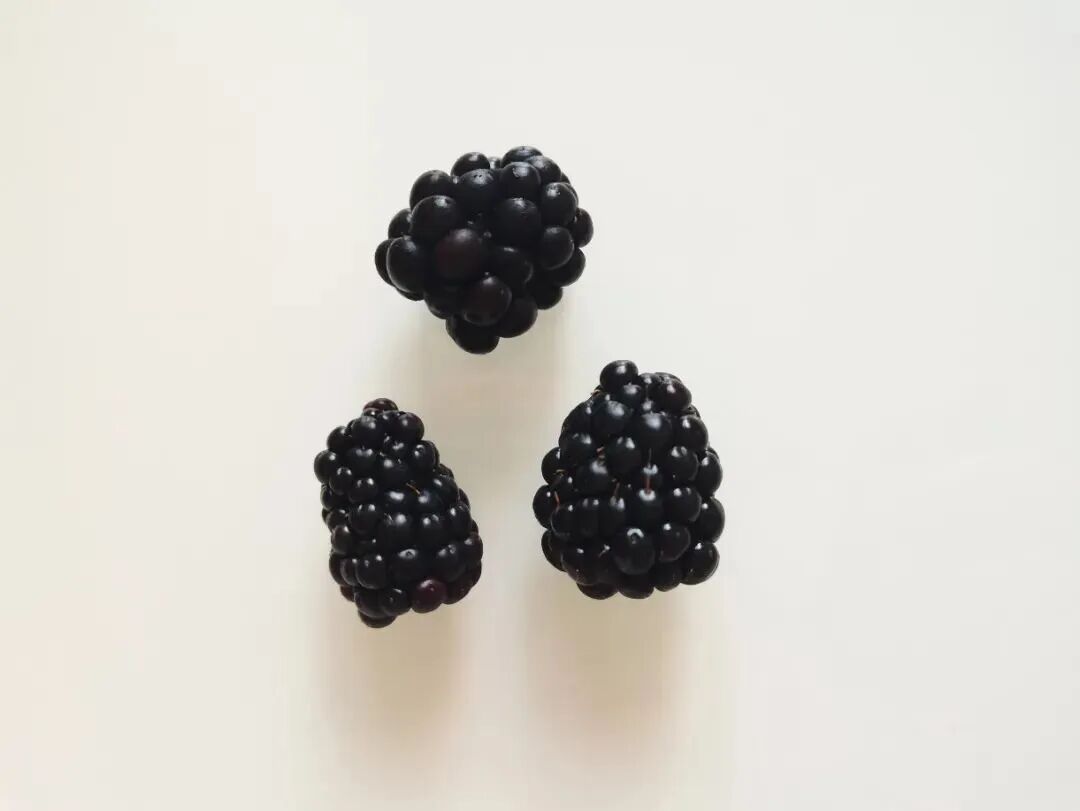
Core Viewpoint - Blackberry, often referred to as the "black diamond" of fruits, is gaining popularity in China due to its rich nutritional profile and health benefits, despite its high price and limited availability in certain regions [3][9]. Group 1: Nutritional Benefits - Blackberries contain a high water content of nearly 90%, making them refreshing and hydrating [3]. - They are rich in anthocyanins, with a concentration of 114.4 to 241.5 mg per 100 grams, which is significantly higher than strawberries (7-18 mg/100g) and grapes (20.6 mg/100g) [6][8]. - Regular consumption of blackberries can help maintain youthfulness and prevent chronic diseases, with studies indicating that increasing anthocyanin intake can reduce the risk of coronary heart disease by 12%-32% [6][8]. Group 2: Comparison with Other Berries - While blackberries have lower anthocyanin content compared to blueberries (387-487 mg/100g), they still outperform strawberries and grapes by 5 to 35 times [6]. - Blackberries also provide higher levels of vitamin C (21 mg/100g), dietary fiber (5.3 g/100g), and potassium (162 mg/100g) compared to blueberries [8]. Group 3: Market and Pricing - Fresh blackberries are relatively expensive in northern China, costing around 70-80 yuan for half a kilogram, making them a luxury item for many consumers [9]. - Frozen blackberries are a more affordable alternative, maintaining most of their nutritional value and flavor even after freezing [9][12]. Group 4: Storage and Preparation - Blackberries are sensitive to storage and transport, with a short shelf life at room temperature, typically lasting only two days [9]. - Freezing blackberries can preserve their nutrients, with studies showing that most compounds remain stable or even increase during freezing [12].

富硒富镁水果 对甲状腺有益
Xin Lang Cai Jing· 2025-12-29 21:24
Core Viewpoint - Dietary adjustments are crucial for individuals with thyroid dysfunction, with selenium and magnesium-rich fruits providing essential nutritional support for thyroid health, but they should not replace medical treatment for thyroid diseases [1][2]. Group 1: Selenium-Rich Fruits - Selenium is a vital trace element and a key component of glutathione peroxidase, acting as an "antioxidant shield" for thyroid cells by effectively eliminating free radicals generated during hormone synthesis [1]. - Adequate selenium intake can help regulate immune responses and reduce inflammation in autoimmune thyroid diseases such as Hashimoto's thyroiditis [1]. - Common selenium-rich fruits include mulberries, jackfruit, and longan [1]. Group 2: Magnesium-Rich Fruits - Magnesium is essential for over 300 enzymatic reactions in the body and is crucial for maintaining normal thyroid function, acting as a cofactor in thyroid peroxidase and directly participating in hormone synthesis [1]. - Magnesium deficiency may affect thyroid hormone production and is associated with common symptoms of hypothyroidism, such as fatigue and muscle weakness [1]. - Common magnesium-rich fruits include bananas, avocados, blackberries, and kiwis [1]. Group 3: Dietary Recommendations - Selenium and magnesium-rich fruits should be part of a healthy, balanced diet rather than being viewed as "miracle cures" [2]. - It is recommended to consume fresh fruits directly, avoiding juices or dried fruits, with a daily intake of 200 to 350 grams [2]. - Patients with thyroid diseases should be cautious with high-sugar fruits like jackfruit, longan, and ripe bananas to prevent significant blood sugar fluctuations [2]. Group 4: Nutritional Sources and Guidelines - Fruits are not the primary source of selenium and magnesium; animal organs, seafood, and Brazil nuts have higher selenium content, while green leafy vegetables, nuts, and whole grains are better sources of dietary magnesium [2]. - The Chinese Nutrition Society recommends a daily selenium intake of 60 micrograms for adults, as excessive supplementation can pose risks [2]. - Processed foods, excessive alcohol, and caffeine can interfere with magnesium absorption [2].
这些常见水果不仅能补充营养 还可以帮助控制血压水平
Yang Shi Xin Wen· 2025-12-04 17:44
Core Insights - Increasing fruit consumption is a contemporary health consensus, particularly apples and bananas, which can help control blood pressure levels [1][3] Group 1: Research Findings - A study found that hypertensive patients who consume bananas or apples 3 to 6 times a week have a 24% to 40% lower all-cause mortality rate; this rate drops to 43% when both fruits are consumed at the same frequency [3] - Other fruits like pears, pineapples, or grapes did not show a significant association with all-cause mortality in hypertensive patients [3] Group 2: Nutritional Benefits - Bananas are rich in potassium, containing 256 mg per 100 grams, which is more than double that of grapes (127 mg) and pineapples (113 mg), and three times that of snow pears (85 mg) [4] - Apples contain flavonoids, particularly in the skin (543.9 to 1227.9 mg/kg) and flesh (78.2 to 472.9 mg/kg), which can lower blood pressure and cholesterol levels [6] Group 3: Alternative Options - Berries, which are also high in flavonoids, can provide similar blood pressure-lowering effects; for instance, blackberries contain 13 to 19 mg of flavonoids per 100 grams [7] - Besides flavonoids, berries contain various bioactive compounds like anthocyanins and resveratrol, which have antioxidant effects and can help regulate blood pressure [10]

一个缺觉的人,全身炎症水平都在升高!缓解方法→
Yang Shi Xin Wen· 2025-08-13 13:50
Core Viewpoint - Sleep deprivation activates the body's inflammatory response, leading to cognitive impairment and increased risk of various diseases [2][3][6]. Group 1: Impact of Sleep Deprivation - A study involving 2,641 participants found that sleeping less than 6 hours triggers systemic inflammation and increases the risk of cognitive impairment [3]. - Sleep deprivation causes a series of inflammatory responses in the brain, releasing pro-inflammatory factors that adversely affect neurons and cognitive functions [3]. - Chronic sleep deprivation leads to oxidative stress and cellular damage, further exacerbating cognitive decline [3][6]. Group 2: Health Risks Associated with Sleep Deprivation - Insufficient sleep and chronic inflammation are linked to various diseases, including metabolic disorders, cancer, and mental health issues [6]. - Research indicates that sleeping less than 6 hours per night for a week can negatively impact metabolism, inflammation, immunity, and stress response [6]. - Prolonged sleep deprivation keeps the body in a state of stress, lowering immune function and increasing disease risk [6]. Group 3: Recommendations for Mitigating Damage - Adults typically need 7-8 hours of sleep per night, while older adults may require 5-7 hours [11]. - To combat sleep deprivation, lifestyle adjustments and medical interventions are recommended, such as increasing sunlight exposure and regular exercise [13]. - A balanced diet rich in anti-inflammatory foods, such as whole grains, deep-sea fish, cruciferous vegetables, and berries, can help reduce inflammation [14][15].

校地合作助力乡村振兴“加速跑”
Xin Hua Ri Bao· 2025-07-03 22:27
Group 1 - The core viewpoint emphasizes the comprehensive promotion of rural revitalization and the acceleration of building an agricultural powerhouse, with the Nanjing National Agricultural High-tech Zone (referred to as "Agricultural High-tech Zone") being a key player in this initiative [1] Group 2 - The Agricultural High-tech Zone has introduced 131 high-level talents and implemented mechanisms such as "Science and Technology Town Chief Team" and "Science and Technology Deputy Chief" to enhance local services [2] - Over 7,500 new-type professional farmers have been trained through the establishment of a Rural Revitalization College and New Agricultural Science Base in collaboration with universities [2] - Significant policy support has been provided, including the establishment of a leadership linkage mechanism with universities and the allocation of land and funding for research platforms [2] Group 3 - The Agricultural High-tech Zone has gathered 7 universities and research institutions, establishing 55 municipal-level and above research platforms [3] - The National Fruit and Mei Yangmei Germplasm Resource Nursery, the largest internationally, has been built, and a P3 laboratory for animal medicine research is set to become the largest in East China [3] - Collaborative projects such as the "Carbon Valley" project focus on smart ecology and efficient utilization of forest biomass [3] Group 4 - The establishment of the Yangtze River Delta Agricultural Technology Industrialization Development Alliance and the launch of the Agricultural Technology Achievement Transformation Trading Center are key initiatives to accelerate industrial upgrades [4] - The technology transaction volume has exceeded 200 million yuan, with over 500 achievements to be released in 2024 [4] - The local blueberry industry, empowered by technology, is projected to achieve a fresh fruit output value of 160 million yuan and a deep processing output value of 420 million yuan in 2024 [4]