
第二个百年奋斗目标

Search documents
胜利完成!看过去这五年
中汽协会数据· 2026-03-05 02:07
Economic Growth - The domestic GDP has successfully crossed the milestones of 110 trillion, 120 trillion, 130 trillion, and 140 trillion yuan, with an average annual growth rate of 5.4%, significantly higher than the global average growth rate [4] Technological and Industrial Innovation - The total R&D expenditure has increased by an average of 10% annually, with the number of high-value invention patents per ten thousand people reaching 16, and significant breakthroughs in key core technologies have been achieved [5][6] Reform and Opening Up - Key reforms in various sectors have been solidly advanced, with the construction of a unified national market accelerating, and high-level opening up continuously expanding, including the removal of foreign investment restrictions in the manufacturing sector [7][8] Improvement in People's Livelihood - The average annual growth rate of per capita disposable income for residents is 5.4%, with over 60 million new urban jobs created, and the transition from poverty alleviation to rural revitalization has been effectively completed [9][10] Environmental and Resource Management - The proportion of days with good air quality in cities at or above the prefecture level has increased to 89.3%, and the forest coverage rate has risen to over 25%, making it the fastest-growing country in terms of forest resources globally [11][12] Security and Stability - Significant improvements have been made in the security capabilities of key areas such as food, energy resources, finance, and the internet, ensuring social stability and preventing systemic risks [13]

一图速览|“十四五”时期经济社会发展成就
证券时报· 2026-03-05 01:38
Core Viewpoint - The article highlights the significant achievements and progress made in various sectors during the past five years, emphasizing economic growth, social welfare improvements, and advancements in technology and security [3][4][6]. Economic Growth - The GDP has achieved new milestones, surpassing 110 trillion, 120 trillion, 130 trillion, and 140 trillion yuan, with an average annual growth rate of 5.4%, notably higher than the global average [4]. - The manufacturing sector has maintained its position as the largest globally for 16 consecutive years, with a steady increase in the resilience and security of industrial and supply chains [7]. Social Welfare - The per capita disposable income of residents has grown at an average annual rate of 5.4%, with over 60 million new urban jobs created [9]. - The average life expectancy has increased to 79.25 years, and the average education level of the labor force has risen to 11.3 years [9]. Technological and Industrial Innovation - National R&D expenditure has increased by an average of 10% annually, with each 10,000 people holding an average of 16 high-value invention patents [7]. - Significant breakthroughs have been made in key core technologies, enhancing the overall innovation capacity of the economy [7]. Reform and Opening Up - The construction of a unified national market is accelerating, and restrictions on foreign investment in the manufacturing sector have been completely lifted [8]. - The country has solidified its position as the largest goods trading nation, with high-quality initiatives under the Belt and Road Initiative being further developed [8]. Security and Stability - There has been a notable enhancement in security capabilities across key areas such as food, energy, finance, and cybersecurity [11]. - The proportion of days with good air quality in cities at or above the prefecture level has increased to 89.3%, and the forest coverage rate has risen to over 25% [12].
蔡达峰:在全国政协新年茶话会上的讲话
Xin Lang Cai Jing· 2026-01-01 11:33
Group 1 - The speech highlights the achievements of the Chinese Communist Party and the nation in 2025, emphasizing the successful convening of the 20th Central Committee's fourth plenary session and the formulation of the "15th Five-Year" development blueprint [1] - The year 2025 saw significant progress in multi-party cooperation, with various democratic parties and non-party individuals engaging in educational initiatives to enhance their capabilities and responsibilities [2] - The speech expresses confidence and determination for the upcoming year 2026, calling for unity around the leadership of the Communist Party and a commitment to the goals of socialist modernization and national rejuvenation [2]
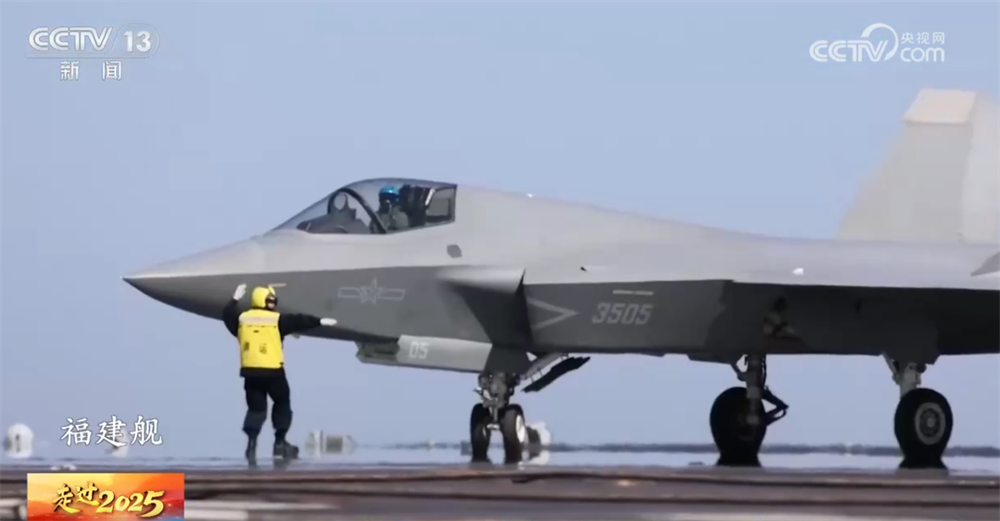
一个个瞬间“拼”成新时代中国浩荡前行的洪流 一起走过很不平凡的2025年
Yang Shi Wang· 2025-12-31 08:21
Core Viewpoint - The year 2025 is marked by significant achievements in China's high-quality development and modernization efforts, despite complex international challenges and domestic reform tasks [1] Group 1: Economic Development - China's economy has progressed under pressure, focusing on new and superior development, with continuous advancement in the construction of a modern industrial system [1] - The country has made positive progress in risk resolution in key areas, enhancing social welfare and security [1] Group 2: Reform and Opening Up - The year has seen new strides in reform and opening up, contributing to a strong start for the second centenary goal of national development [1] Group 3: National Spirit and Collective Effort - The collective efforts of the people in pursuing their dreams have contributed to the momentum of China's progress in the new era [1]
传达学习贯彻中共二十届四中全会精神 全国政协十四届常委会第十四次会议开幕 李强作报告 王沪宁主持
Xin Hua She· 2025-10-31 10:46
Group 1 - The 14th meeting of the Standing Committee of the 14th National Committee of the Chinese People's Political Consultative Conference (CPPCC) opened on October 31, focusing on the spirit of the 20th Central Committee's Fourth Plenary Session of the Communist Party of China [1][2] - Premier Li Qiang emphasized the importance of the 14th Five-Year Plan period as a critical time for achieving socialist modernization and called for the implementation of major strategic tasks [1] - The meeting highlighted the need for a scientific compilation of the planning outline for the 15th Five-Year Plan, encouraging contributions and insights from members of the CPPCC [1] Group 2 - Wang Huning, in his opening remarks, described the 20th Central Committee's Fourth Plenary Session as a significant mobilization for advancing Chinese-style modernization [2] - The meeting included reports from various specialized committees on topics such as the healthy development of the biopharmaceutical industry and the promotion of a unified national market [2][3] - The presence of multiple vice chairpersons and members of the CPPCC indicates a broad representation and engagement in the discussions [3]
传承和弘扬伟大抗战精神——论学习贯彻习近平总书记在纪念中国人民抗日战争暨世界反法西斯战争胜利80周年大会上重要讲话
Ren Min Ri Bao· 2025-09-05 06:44
Group 1 - The core message emphasizes the importance of inheriting and promoting the great spirit of the Anti-Japanese War as a source of strength for China's modernization and national rejuvenation [1][2] - The spirit of the Anti-Japanese War is portrayed as a precious spiritual asset for the Chinese people, showcasing their resilience and determination in overcoming challenges [1][3] - The current era is described as extraordinary, with the Chinese people demonstrating a fighting spirit and creativity to overcome various challenges, including poverty alleviation and technological advancements [2][3] Group 2 - The concept of Chinese-style modernization is framed as a crucial pathway for national rejuvenation, acknowledging the complex and challenging development environment [3] - The need for strategic determination and confidence in facing long-term struggles is highlighted, with a call to confront issues directly and eliminate persistent problems [3] - The narrative encourages unity around the leadership of Xi Jinping, transforming the spirit of the Anti-Japanese War into motivation for progress and a belief in future victories [3]
人民日报评论员:传承和弘扬伟大抗战精神——论学习贯彻习近平总书记在纪念中国人民抗日战争暨世界反法西斯战争胜利80周年大会上重要讲话
Xin Hua She· 2025-09-05 05:47
Core Viewpoint - The article emphasizes the importance of inheriting and promoting the great spirit of the Anti-Japanese War as a source of strength for China's modernization and national rejuvenation [2][3]. Group 1: Historical Context - The Anti-Japanese War showcased the unity and resilience of the Chinese people under the leadership of the Communist Party, leading to a complete victory over Japanese militarism after 14 years of struggle [2]. - The spirit of the Anti-Japanese War is characterized by patriotism, heroism, and an unwavering belief in victory, which remains a valuable spiritual asset for the Chinese people [2][3]. Group 2: Modern Implications - The great spirit of the Anti-Japanese War serves as a powerful motivational force for overcoming current challenges and risks, contributing to China's ongoing development and modernization efforts [3]. - The article highlights the achievements in poverty alleviation, technological advancement, and resilience against external pressures as manifestations of this spirit in contemporary society [3][4]. Group 3: Future Outlook - The path to modernization is recognized as complex and fraught with challenges, necessitating a strong spirit to navigate through difficulties and uncertainties [4]. - The article calls for unity under the leadership of the Communist Party to transform the spirit of the Anti-Japanese War into a driving force for future successes and victories [4].