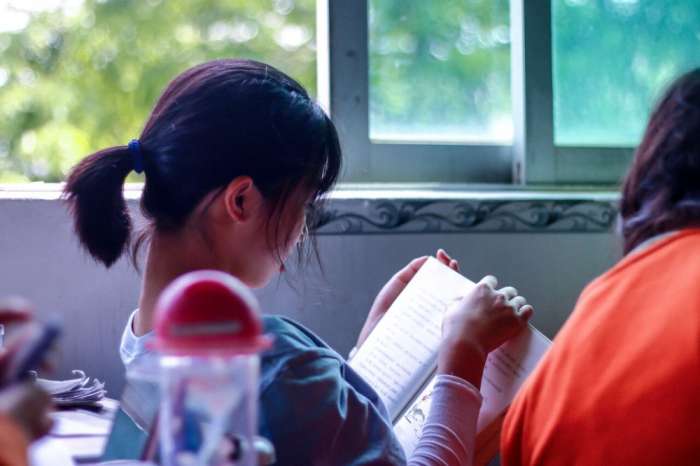
系统性教研变革

Search documents
乡村教师用起AI智能体
Xin Lang Cai Jing· 2026-02-10 23:13
Core Insights - The integration of AI tools in rural education is becoming a trend, with teachers in Inner Mongolia actively adopting these technologies to enhance their teaching methods and engage students more effectively [1][5][11] Group 1: AI Integration in Teaching - Teachers like Liang Xuehui are utilizing AI software to create interactive learning experiences, moving away from traditional methods of teaching geometry [1] - The use of digital tools, such as KIMI and video editing software, is being implemented to create personalized learning materials and cross-disciplinary teaching videos [1][4] - Teachers are leveraging AI to help students understand complex concepts, such as public transportation systems, by providing visual aids and simulations [3][4] Group 2: Teacher Development and Training - The "Smart Gardener" project aims to enhance the teaching capabilities of rural educators by pairing them with experienced teachers from urban areas for ongoing mentorship and training [7][10] - The project has reached 174 teachers in Wuchuan County, covering 63% of core educators, and aims to foster a collaborative learning environment among teachers [8] - Emphasis is placed on developing research capabilities among teachers, encouraging them to engage in active inquiry and integrate new teaching methodologies into their practice [9][10] Group 3: Challenges and Opportunities - A significant portion of the teaching workforce in rural areas consists of older teachers with traditional teaching philosophies, highlighting the need for modernization in teaching approaches [6][7] - The introduction of AI tools is seen as a way to bridge the gap in teaching quality, but there is a need for careful integration to ensure that technology enhances rather than replaces teacher-led instruction [12] - Successful case studies indicate that with proper training and resources, rural teachers can effectively utilize AI to improve student engagement and understanding [11][12]

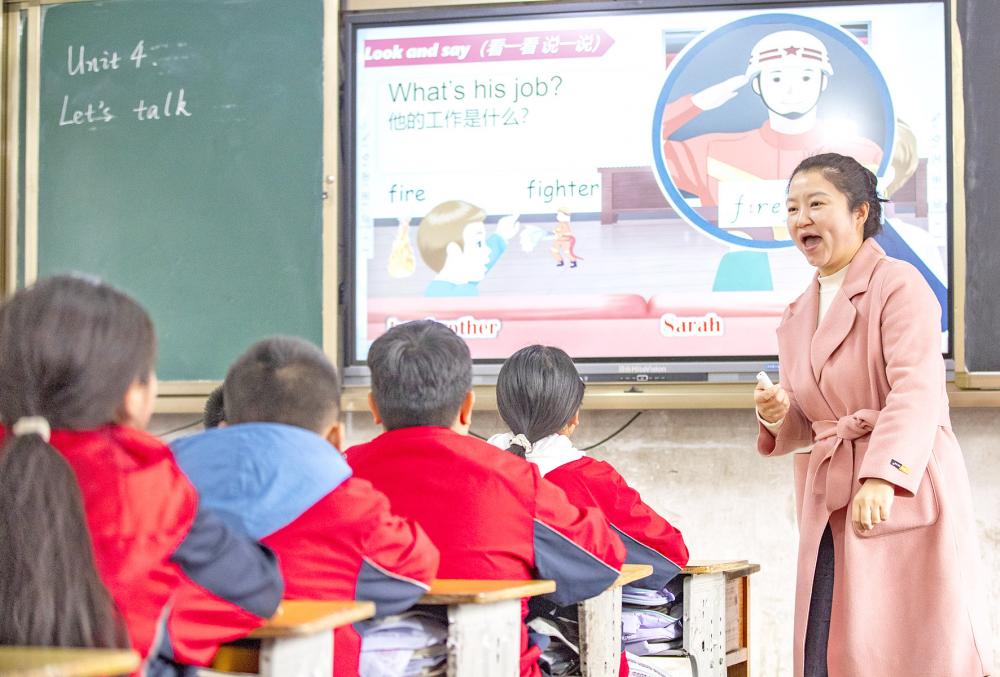
21特写|乡村教师用起AI智能体
2 1 Shi Ji Jing Ji Bao Dao· 2026-02-03 07:33
Core Insights - The integration of AI tools in rural education is becoming a trend, with teachers in Inner Mongolia actively adopting these technologies to enhance their teaching methods and engage students more effectively [3][6][9] Group 1: AI in Rural Education - Teachers like Liang Xuehui and Zhang Jianing are utilizing AI to create interactive learning experiences, such as 3D models for geometry and cross-disciplinary teaching videos [3][5] - The "Smart Gardener" project initiated by the China Development Research Foundation aims to provide systematic training and support for rural teachers, enhancing their teaching capabilities through collaboration with experts from urban areas [7][8] Group 2: Challenges and Solutions - Rural teachers often face challenges due to outdated teaching philosophies, with a significant portion of the workforce being older and less familiar with modern educational technologies [6][9] - The project emphasizes the importance of integrating digital literacy with subject-specific teaching skills, as demonstrated by a rural math teacher who developed an AI-assisted program for teaching fraction multiplication [9][10] Group 3: Impact and Future Directions - Initial results from the "Smart Gardener" project show improvements in student performance, with one pilot county's exam scores rising significantly [9] - The project aims to expand its reach to 25 counties by the end of 2025, benefiting over 120,000 rural educators and fostering a culture of continuous professional development [8]