系统性治理

Search documents
吴庆华专题调研主城区项目建设工作
Xin Lang Cai Jing· 2026-01-18 16:22
转自:韶关发布 来到丹霞大桥施工现场,吴庆华详细了解项目进度、施工组织等情况。他强调,丹霞大桥是展示城市形 象的关键窗口,也是构建现代化集疏运体系的重要一环,要攻坚冲刺加快建设,优化交通组织、沿线环 境、通行景观等节点功能,确保项目如期建成通车,切实改善群众出行环境。 吴庆华强调 我们要始终站稳人民立场,用心用情用力为群众做实事办好事,不断增强人民群众的获得感、幸福感、 安全感。要认真倾听群众心声、回应群众呼声,以钉钉子精神靶向破解城市交通出行、公共服务、市容 环境等群众反映强烈的痛点堵点难点问题,让人民群众在城市生活得更方便、更舒心、更美好。要做 到"心中有事、眼里有活",对工作时刻保持警觉性和责任心,把功夫下在日常、抓在经常,常态长效加 强城市精细化管理,推动城市建设和治理效能双提升。要强化系统思维、前瞻思维、整体思维,既要加 快市行政服务中心、丹霞大桥等项目建设,更要举一反三、以点带面,统筹做好项目周边道路接驳、交 通组织、城市风貌等工作,通过解决一个具体问题,推动化解一类共性问题,实现系统性治理。 吴庆华强调 春节临近,安全稳定工作丝毫不容松懈。各地各部门要以"时时放心不下"的责任感和"事事落实到位" ...
自然做功,事遂天成
Zhong Guo Zi Ran Zi Yuan Bao· 2025-09-10 07:20
Core Insights - The article emphasizes the importance of ecological restoration in China, particularly through the example of the Ruoergai wetland, where nature is allowed to play a leading role in recovery efforts [2][3][4] Group 1: Ecological Restoration Strategies - Ruoergai's ecological restoration focuses on leveraging natural processes rather than opposing them, using local materials like willow branches to create flexible barriers that stabilize sand and retain water [2] - The choice of native grass species promotes natural competition, forming stable communities while minimizing the risks of excessive human intervention and invasive species [2][3] - The construction of small, strategically placed stone barriers helps regulate wetland water levels without large-scale engineering projects, demonstrating a "small but beautiful" approach to ecological management [2][3] Group 2: Results and Impact - Ruoergai has seen a 30% increase in vegetation coverage, with significant rises in populations of rare species such as the Tibetan antelope and black-necked cranes, alongside an annual increase in water conservation of over 333 million cubic meters [3] - The success of Ruoergai is part of a broader initiative in China, which has implemented 52 integrated ecological protection and restoration projects, covering over 8.3 million hectares [3][4] - The approach taken in Ruoergai and similar projects highlights a shift from traditional, engineering-based ecological management to a more sustainable, low-cost model that respects and aligns with natural processes [3][4] Group 3: Socioeconomic Benefits - The mountain-water project has transformed ecological benefits into economic gains, with local herders experiencing an average annual income increase of over 2,000 yuan, fostering intrinsic motivation for grassland protection [4] - The project serves as a crucial platform for high-quality development in the Yellow River basin, balancing ecological preservation with economic growth [4] - The philosophy of "doing nothing" in ecological governance suggests that returning control to nature can yield not only restored landscapes but also a sustainable future for coexistence with all living beings [4]


控制领导欲望,少些“即兴管理”
Hu Xiu· 2025-09-01 07:23
Core Insights - The article discusses the concept of "Ad Hoc Management," where founders make spontaneous decisions based on immediate insights, which can be effective in small teams but becomes problematic as organizations grow [2][3]. Group 1: Ad Hoc Management - Ad Hoc Management is characterized by quick, intuitive decision-making that can capture fleeting market opportunities, particularly in early-stage startups with simple tasks [2]. - This management style can lead to a lack of long-term strategic thinking, as decisions are often based on informal discussions rather than systematic analysis [2][3]. - As organizations scale, reliance on spontaneous directives can create confusion and inefficiency, as strategic decisions become reduced to tactical commands without thorough consideration [2][8]. Group 2: Risks of Ad Hoc Management - Decision fatigue and cognitive overload can result from the pressure of constant decision-making, leading leaders to make hasty choices that lack depth [5]. - Over-micromanagement can diminish employee morale and productivity, with studies indicating that 55% of employees feel their productivity is affected by micromanagement [6]. - The cycle of micromanagement can stifle innovation and lead to higher turnover rates, as employees feel undervalued and untrusted [6]. Group 3: Organizational Health and Development - Healthy organizations yield three times higher shareholder returns compared to unhealthy ones, emphasizing the importance of strategic clarity, role clarity, and personal ownership [7]. - The "random order" model undermines these health factors, as it leads to unclear strategic direction and task responsibilities, resulting in employees working without a clear focus on priorities [7][8]. - A centralized decision-making model is unsustainable as organizations grow, risking inefficiency and loss of competitive edge due to delayed information flow [8]. Group 4: Transitioning to Systematic Governance - Leaders must shift from a controlling role to one of coordination and strategic design, focusing on high-value activities like market analysis and long-term planning [9]. - Establishing a structured decision-making framework based on objective data can enhance collaboration and reduce cognitive biases [10]. - Decision decentralization fosters employee autonomy and responsibility, transforming the organizational structure into a more agile and responsive model [11][12].
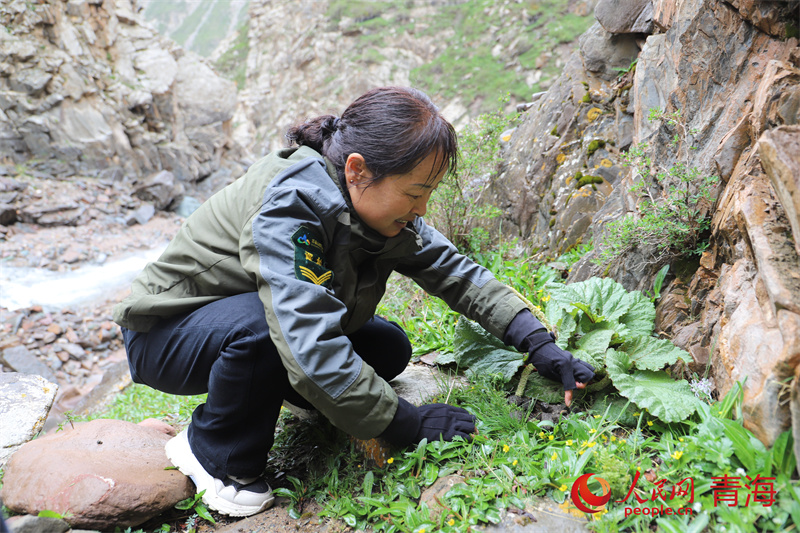
雪山草地,守护伴着牧歌相传
Ren Min Wang· 2025-08-02 00:04
Core Points - The article highlights the transformation of the ecological management efforts in the Qilian Mountain region, emphasizing the role of ecological guardians in restoring the environment and promoting sustainable livelihoods for local communities [1][4][10] Group 1: Ecological Restoration - The Qilian Mountain National Park candidate area has seen significant ecological improvements since the establishment of the ecological management station in 2017, with vegetation area increasing by 9,700 hectares and an average vegetation coverage improvement of 1.45% [7] - The ecological quality has improved by 15.27%, with 60.17% of degraded grasslands effectively restored, enhancing water conservation capacity and runoff [7][10] Group 2: Economic Development - Local herders have transitioned from traditional livestock farming to becoming ecological guardians, receiving professional training and a fixed salary, which has led to the establishment of 15 new farmhouses and 5 camping bases in the region [4][9] - The region is projected to attract nearly 3 million tourists in 2024, generating over 1.2 billion yuan in tourism revenue, showcasing the economic benefits of ecological tourism [9] Group 3: Community Engagement and Education - The establishment of the ecological science popularization museum has attracted 110,000 visitors in two years, highlighting the growing interest in ecological education among students and the community [9][10] - The article emphasizes the importance of systematic governance in improving ecological quality, with 146,000 ecological guardians actively participating in environmental protection efforts across Qinghai province [10]