
紧密型县域医共体建设

Search documents
从追求“答复满意”向确保“结果满意”转变
Xin Lang Cai Jing· 2026-02-01 22:23
Core Insights - The article discusses the transformation of legislative proposals into actionable policies and initiatives in Sichuan, emphasizing the importance of effective implementation and results-oriented governance [1][2][3][4][5][6][7] Group 1: Legislative Proposals and Implementation - A proposal was made to streamline the approval process for film and television projects in Chengdu, highlighting the need for efficient service delivery in the industry [1] - The establishment of a new government service window in Chengdu's film city aims to reduce bureaucratic hurdles and improve the efficiency of project approvals [1] - A total of 24 legislative proposals were processed during the provincial congress, leading to significant policy changes and project implementations [1] Group 2: Economic Development and Industry Growth - Legislative proposals have catalyzed the development of new industries, such as low-altitude economy and artificial intelligence, with over 500 related enterprises established in Sichuan [2] - The artificial intelligence sector is projected to generate 190 billion yuan in revenue, reflecting a 25% year-on-year growth [2] Group 3: Social Welfare and Public Services - A proposal for a provincial elderly care service regulation is advancing through the legislative process, aiming to create a legal framework for elder care in Sichuan [4] - The implementation of housing renovation guidelines has led to the renovation of over 32,700 dilapidated houses, benefiting more than 80,000 residents [4] - The establishment of county-level medical communities aims to enhance healthcare access, with 192 such communities formed to provide quality services locally [4] Group 4: Governance and Administrative Efficiency - The provincial government has adopted a high-level oversight approach to ensure effective handling of legislative proposals, with leaders directly responsible for key initiatives [6] - A collaborative model involving multiple departments has been implemented to address complex issues, ensuring coordinated policy execution [6] - Continuous communication with representatives throughout the proposal process has been established, allowing for active participation and oversight [6][7] Group 5: Monitoring and Accountability - A closed-loop management system has been introduced to track the implementation of commitments made in response to legislative proposals, ensuring accountability [7] - The government is focused on resolving systemic issues through targeted problem-solving strategies, enhancing overall governance effectiveness [7]
把优质医疗资源送到百姓家门口
Xin Lang Cai Jing· 2026-02-01 19:21
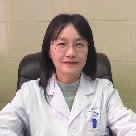
Core Viewpoint - The article highlights the efforts of Yao Chenjiao, a provincial political advisor and director of the Department of General Medicine and Geriatrics at Xiangya Third Hospital, in advancing community healthcare and general medicine in Hunan Province, emphasizing the importance of accessible healthcare for the public [1] Group 1: Achievements and Roles - Yao Chenjiao has been dedicated to the development of tightly-knit county medical communities and general medicine for nearly 30 years, aiming to provide quality healthcare close to home for citizens [1] - In 2025, Yao was elected as a standing committee member of the General Medicine Branch of the Chinese Medical Association, becoming the first expert from Hunan to receive this honor [1] Group 2: Challenges and Solutions - During her research trips in 2025, Yao identified key issues such as a shortage of talent in grassroots healthcare and the phenomenon of patients seeking care in higher-tier hospitals [1] - She proposed solutions to address low coverage rates in general medicine and lagging information technology, including the establishment of a cross-institutional health data sharing platform and a remote training system for general practitioners [1] Group 3: Implementation and Impact - The implementation of multidisciplinary collaborative diagnosis and treatment at the grassroots level has begun to take shape, with chronic disease patients in Loudi benefiting from smart wearable devices, reducing the need for repeated hospital visits [1] - The phrase "data travels more, patients travel less" has become a reality, reflecting the positive impact of these initiatives on patient care [1]

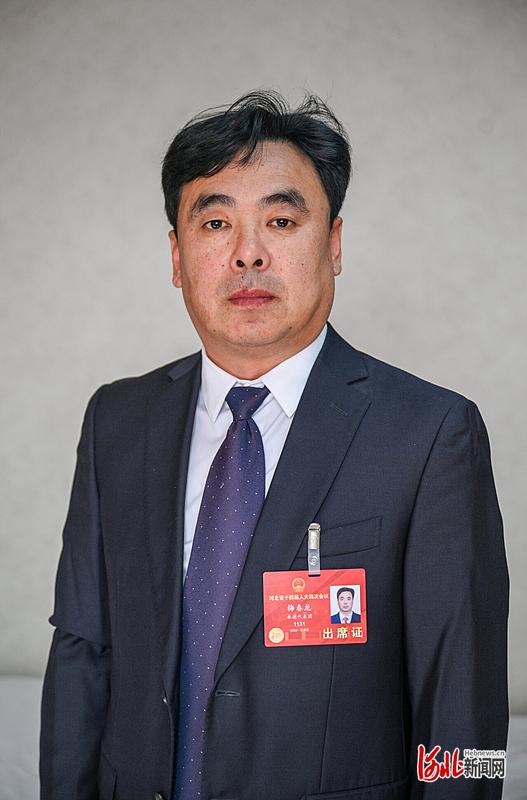
聚焦2026河北两会·两会声音丨梅春龙代表建议:进一步提升乡镇卫生院服务能力
Xin Lang Cai Jing· 2026-01-25 00:45
Group 1 - The core viewpoint emphasizes the need for enhanced healthcare services at the grassroots level to meet public demand for quality and convenient health services [3][4] - The representative, Mei Chunlong, suggests strengthening support and resources for grassroots healthcare institutions, particularly focusing on improving the capabilities of township health centers [4] - There is a recognition of existing challenges in township health centers, including structural personnel shortages, weak professional technical strength, and outdated medical equipment, which hinder the improvement of residents' health satisfaction [4] Group 2 - Recommendations include increasing support for grassroots medical institutions, improving resource allocation based on local conditions, and standardizing the construction of facilities and equipment in township health centers [4] - The proposal also advocates for various forms of assistance mechanisms, such as paired support for departments and co-building wards, to enhance the precision of aid and continuously provide professional technical guidance to township health centers [4] - To strengthen the rural doctor workforce, it is suggested to establish a service tenure system and a promotion system, increase subsidies for rural doctors, and create a talent exchange mechanism between township health centers and county hospitals [4]
砀山县首家博士工作室 扎根社区卫生服务中心
Xin Lang Cai Jing· 2026-01-13 16:42
Core Viewpoint - The establishment of Dr. Lv Na's studio marks a significant advancement in the construction of a tightly-knit county medical community in Dangshan County, providing a new platform for local residents to access high-level medical services [1][2] Group 1: Medical Community Development - The studio is a key outcome of the collaboration between Dangshan County People's Hospital and the community health service center, aimed at addressing the challenges of "difficult and expensive medical care" [1] - The initiative is part of a broader effort to deepen the reform of the medical and health system in the region [1] Group 2: Resource Allocation and Service Improvement - The establishment of the studio is expected to enhance the flow of quality medical resources to grassroots levels, thereby improving the capabilities of community health services [1] - Dr. Lv Na will regularly consult at the community health service center, providing training, case discussions, and technical guidance to elevate the diagnostic and treatment standards [1][2] Group 3: Impact on Local Health - The initiative is seen as a vital step in the construction of a healthy Dangshan, showcasing the practical application of advanced medical resources and management experiences in community settings [2]
基层医疗提水平 群众看病更方便(深阅读)
Ren Min Ri Bao· 2026-01-06 07:05
Core Viewpoint - The article highlights the advancements in healthcare services in Anhui Province, focusing on the establishment of a tightly-knit county medical community that enhances access to quality medical care for local residents. Group 1: Healthcare Infrastructure Development - The "14th Five-Year Plan" suggests implementing strong foundational projects in healthcare and strengthening the operational support for county and grassroots medical institutions [1] - Anhui has achieved over 90% in county-level consultation rates, with nearly 80% of hospital admissions occurring within the county and about 60% of medical consultations taking place at the grassroots level [1] Group 2: Case Study of Huoshan County - In Huoshan County, the establishment of a medical community has led to the integration of 17 township health centers and 134 village clinics under a unified management system [4] - The county's medical community allows local residents, like Mr. Wang, to receive surgeries and treatments close to home, significantly improving patient comfort and accessibility [3][4] Group 3: Support for Village Doctors - In Suixi County, the "village doctor" system has been restructured to ensure stable income and better working conditions for village doctors, with 95% of village clinics now registered under the new system [5] - The "township-hired, village-used" model has improved the professional recognition and skills of village doctors, enhancing the overall quality of healthcare services [5] Group 4: Efficient Referral and Consultation Services - The establishment of a referral and consultation service center in the Fengchang District has streamlined the process for patients needing specialized care, significantly reducing wait times [6][7] - The center facilitates quick information sharing and appointment scheduling, ensuring patients receive timely medical attention from external experts [7]
省政府常务会议召开
Xin Lang Cai Jing· 2025-12-24 19:51
Core Insights - The provincial government is focusing on economic stability and growth, emphasizing the importance of green transformation and regulatory optimization for a better business environment [1][2] Economic Development - The meeting highlighted the need to scientifically plan the province's economic work for the upcoming year, ensuring a strong start for the 14th Five-Year Plan [1] - There is a commitment to promoting energy conservation and carbon reduction while achieving better development through green transformation [1] Infrastructure and Transportation - Emphasis was placed on strengthening infrastructure construction and enhancing the provincial civil aviation market, including deepening cooperation in various fields to promote high-quality development in civil aviation [2] - The meeting called for comprehensive acceleration of transportation project construction to support the modernization of the province [2] Digital Economy and Innovation - The government aims to deepen the construction of a digital economy in Qinghai, optimizing policy supply and promoting innovation and healthy development of the platform economy [2] Healthcare System - The meeting underscored the importance of building an integrated healthcare service system in urban and rural areas, focusing on county-level medical community construction to advance health initiatives in Qinghai [2] Regulatory Framework - Several regulatory frameworks were reviewed and approved, including plans for traffic strength construction, atmospheric monitoring station protection, radiation safety management, and provincial-level coordination of employee medical insurance [2]
优化服务护安康
Xin Lang Cai Jing· 2025-12-24 00:16
Core Insights - Yongnian District has been selected as a national standardization pilot for the construction of a tight-knit county medical community, marking a significant step in healthcare reform and providing new opportunities for development in the region [1] Group 1: Medical Management and Coordination - The district has established a medical group to implement a coordinated management model, restructuring the regional healthcare service system through top-level design [2] - The construction of the tight-knit county medical community has shifted medical institutions from fragmented operations to collaborative development, creating a community of shared management, responsibility, service, and benefits [2] Group 2: Resource Sharing and Accessibility - The core focus of the tight-knit county medical community is to bring quality medical resources to grassroots levels, adopting a service philosophy that prioritizes "doctors and information moving" over "patients moving" [3] - The district has implemented a series of initiatives to enhance medical services, including deploying key doctors from secondary hospitals to township health centers and establishing shared medical imaging and diagnostic centers [3] Group 3: Cost Reduction and Quality Improvement - The construction of the tight-knit county medical community has not only improved service convenience but also significantly reduced the medical burden on the public [4] - Measures taken to lower medical costs include standardizing medical services, promoting centralized drug procurement, and facilitating graded diagnosis and treatment, resulting in a decrease of 99.57 yuan in average outpatient costs and 815.53 yuan in average inpatient costs [5] Group 4: Chronic Disease Management and Health Promotion - The district has developed a three-tier health management mechanism to manage chronic diseases effectively, utilizing AI technology for precise screening and management of high-risk populations [5] - Local cultural resources have been integrated into health services, creating a unique health service brand that enhances public health literacy and promotes healthy living [5] Group 5: Future Plans - The district aims to continue prioritizing public health, further integrating regional medical resources, and strengthening the medical prevention integration system to create a model of a tight-knit medical community with national significance [6]
医改创新筑基惠民 湖南城步苗乡民众尽享便捷医疗
Zhong Guo Xin Wen Wang· 2025-12-22 10:50
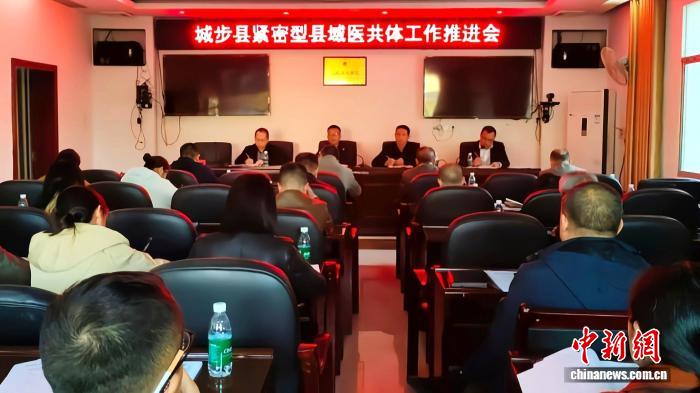
Core Insights - The article highlights the successful implementation of healthcare reforms in Chengbu County, Hunan, which have significantly improved medical services and accessibility for local residents [1][2]. Group 1: Healthcare Reform and Accessibility - Chengbu County has focused on a people-centered approach to healthcare, aiming to enhance county-level healthcare, optimize grassroots services, and improve public health [1]. - The county has established a "county-township-village" medical community system, integrating 13 public medical institutions and 188 village health clinics, which has led to a 83.55% consultation rate within the county [2]. - The proportion of medical insurance fund expenditures within the county has increased to 44.94%, indicating a shift towards local healthcare services [2]. Group 2: Infrastructure and Standardization - Chengbu County has invested 1.368 billion yuan in building standardized village health clinics, achieving a compliance rate of 91% for these facilities [4]. - The county has also focused on improving the capabilities of healthcare personnel, training over 3,000 local doctors and providing specialized training for 150 individuals [4]. Group 3: Innovative Insurance Services - The introduction of the "Medical Insurance Express" service allows residents to submit reimbursement documents through local postal services, significantly reducing the need for travel [7]. - Since the launch of this service in 2022, 217 cases have been processed, resulting in reimbursements exceeding 1.2 million yuan [7][8]. - Chengbu County has implemented a data-sharing mechanism among various departments to ensure that healthcare policies effectively reach vulnerable populations, resulting in 33,233 individuals receiving medical assistance totaling 32.22 million yuan [8].
河北省乐亭县:紧密型县域医共体建设绘就“健康乐亭”新图景
Ren Min Wang· 2025-12-18 06:50
Group 1 - The core idea of the news is the innovative "shared CT" service model in Leiting County, which significantly reduces medical consultation time and enhances healthcare accessibility for residents [1][2] - Leiting County has established a collaborative mechanism involving party leadership, government guidance, and multi-department coordination to promote a tightly-knit county medical community [1][2] - The county's healthcare strategy focuses on strengthening county-level hospitals while ensuring active and stable services at township and village levels, creating a three-tiered medical service system [1][2] Group 2 - The county has signed cooperation agreements with 22 medical institutions from Beijing, Tianjin, and Tangshan, and has invited over 35 specialists to provide regular consultations, improving the capabilities of grassroots healthcare [2][3] - Information technology plays a crucial role in the construction of the medical community, facilitating a high-efficiency medical network and resource-sharing centers for various medical services [3] - The implementation of family doctor signing services and public health initiatives aims to enhance community health awareness and promote preventive care, shifting the focus from treatment to a balanced approach of prevention and treatment [3][4]
海安“科学配伍”医疗资源实现全域共享
Xin Hua Ri Bao· 2025-11-12 07:27
Core Points - The establishment of "central village clinics" in Hai'an signifies the integration of medical resources across village, town, and city levels, enhancing healthcare accessibility for residents [1][2] - Hai'an is implementing a "full托管" model for grassroots health institutions, allowing larger hospitals to manage smaller clinics, thereby improving service capabilities and optimizing talent [1] - The city has initiated an "expert visit to grassroots" program, allowing senior experts from hospitals to provide services directly in village clinics, benefiting over 3,000 residents [2] Summary by Sections Medical Resource Integration - The opening of central village clinics in Sanjiao Village and Dongmiao Village represents a significant step towards resource sharing among different levels of healthcare institutions [1] - New medical facilities such as B-ultrasound, ECG, and rehabilitation therapy have been added to enhance service quality [1] Management and Service Improvement - The "full托管" model has been adopted, with hospitals like the People's Hospital and Traditional Chinese Medicine Hospital managing local health centers to rejuvenate grassroots medical services [1] - Experts from various specialties are now regularly visiting local clinics to provide specialized care and training [1][2] Health Screening and Community Impact - A hypertension screening initiative has reached over 400,000 residents, achieving a screening rate of 62%, which is expected to reduce the incidence and recurrence of strokes [2] - The implementation of the "heart ECG network" has improved emergency response times for critical cases, demonstrating the effectiveness of the new healthcare model [2]