红筹企业回归

Search documents
预计年内有在港粤企A股上市?深交所“H+A”路径已明
2 1 Shi Ji Jing Ji Bao Dao· 2025-07-23 07:33
Core Viewpoint - The establishment of a regular communication mechanism between relevant authorities and the China Securities Regulatory Commission (CSRC) aims to support the capital market in Shenzhen's comprehensive reform, with expectations for a series of reforms, including the return of companies listed on the Hong Kong Stock Exchange to the Shenzhen Stock Exchange [1][2] Group 1: Market Dynamics - The Shenzhen authorities have enhanced communication with various ministries since the issuance of the "Opinions on Deepening the Reform and Innovation of Shenzhen's Comprehensive Reform Pilot" [2] - The market anticipates that the return of companies from the Guangdong-Hong Kong-Macao Greater Bay Area to the Shenzhen Stock Exchange will provide more investment opportunities for investors and contribute to the growth of the A-share market [2][3] Group 2: Eligible Companies - There are over 250 companies listed on the Hong Kong Stock Exchange that are registered in the Guangdong-Hong Kong-Macao Greater Bay Area, with 30 already listed on the A-share market and 220 yet to return [3] - Among the 220 companies, the top three by market capitalization are AIA Group (737.19 billion HKD), Hong Kong Exchanges and Clearing (548.47 billion HKD), and Bank of China (Hong Kong) (379.03 billion HKD) [3] Group 3: Regulatory Framework - The National Development and Reform Commission has indicated support for eligible Hong Kong-listed companies to issue depositary receipts on the Shenzhen Stock Exchange, clarifying the path for different types of Hong Kong companies to return to A-shares [3][4] - The current rules require that red-chip companies seeking secondary listings on the Shenzhen Stock Exchange must have a market capitalization of at least 200 billion CNY and possess strong technological innovation capabilities [5][6] Group 4: Economic Implications - The return of Hong Kong-listed companies to the Shenzhen Stock Exchange is expected to enrich the industry matrix and enhance the valuation system of the A-share market, potentially attracting international capital [6][7] - The dual listing on both the Shenzhen and Hong Kong exchanges may facilitate the return of offshore RMB, thereby promoting the internationalization of the RMB and enhancing cross-border capital flow [7]



打破红筹企业回A壁垒,深交所将迎来“H+A”新案例
Mei Ri Jing Ji Xin Wen· 2025-06-11 14:17
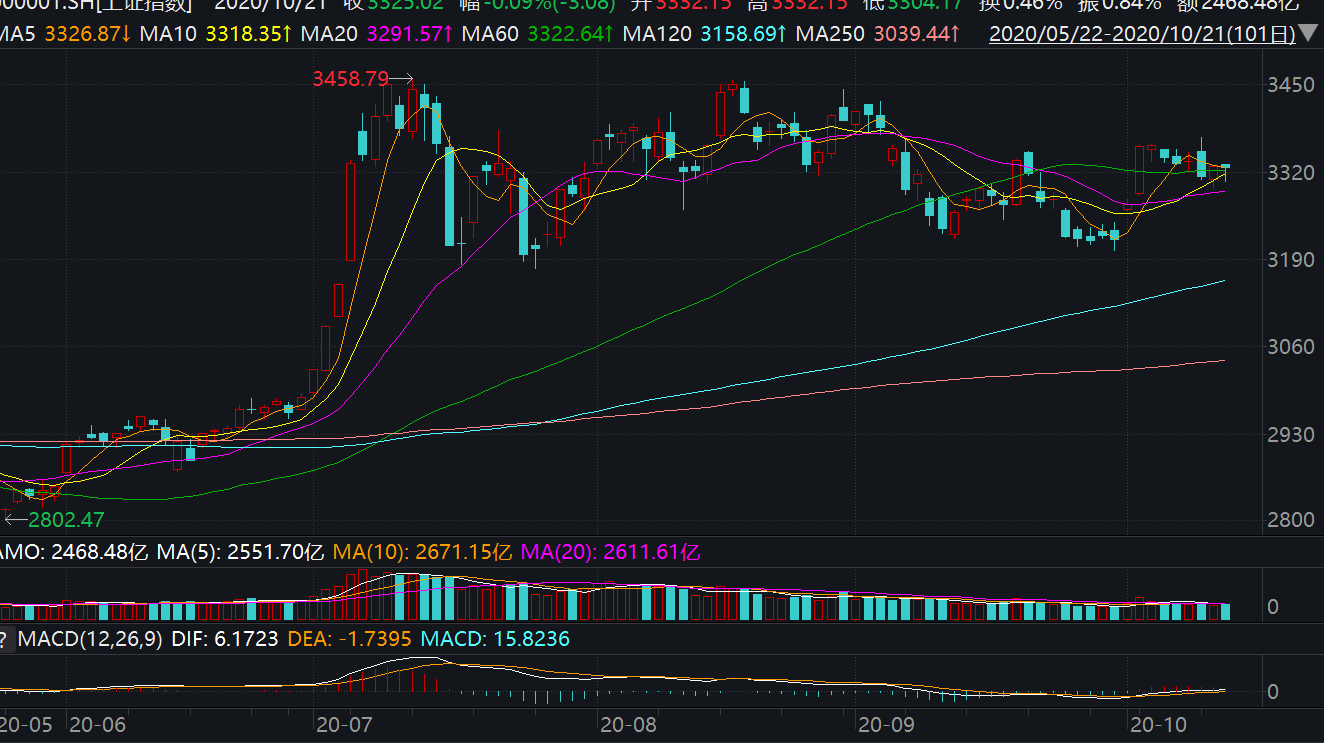
Core Viewpoint - The recent issuance of the "Opinions on Deepening Reform and Innovation to Expand Opening Up in Shenzhen Comprehensive Reform Pilot" by the Central Committee and the State Council allows enterprises from the Guangdong-Hong Kong-Macao Greater Bay Area listed on the Hong Kong Stock Exchange to list on the Shenzhen Stock Exchange according to policy regulations, which is expected to facilitate the secondary listing of red-chip companies in Shenzhen [1]. Group 1: Regulatory Framework - The rules for red-chip companies listed in Hong Kong to return to the Shenzhen Stock Exchange have been clarified, with a focus on the differences between red-chip and H-share structures [2]. - The top-level design for red-chip companies indicates that they can apply for secondary listings in the domestic capital market, with specific guidelines established since 2018 [3]. - The Shenzhen Stock Exchange has set clear standards for red-chip companies seeking secondary listings, including a minimum market capitalization of 200 billion yuan for the main board and specific technological and competitive advantages [3]. Group 2: Listing Requirements - The requirements for red-chip companies on the Growth Enterprise Market (GEM) focus on those not previously listed abroad, with standards including rapid revenue growth and a projected market value of at least 100 million yuan [4]. - Companies with recent revenue below 5 million yuan must demonstrate a compound annual growth rate (CAGR) of over 20% over the last three years to qualify for listing [5]. Group 3: Historical Context and Market Impact - Historical data suggests that the return of high-quality red-chip stocks can boost A-share market valuations, as seen in 2020 when the return of companies like SMIC significantly impacted market performance [6][7]. - The successful return of red-chip companies has previously enhanced market activity, contributing to a notable rise in the Shanghai Composite Index during the period of these listings [7].