
组织设计

Search documents
突破有限理性:AI时代的组织设计和创新
3 6 Ke· 2026-02-04 02:11
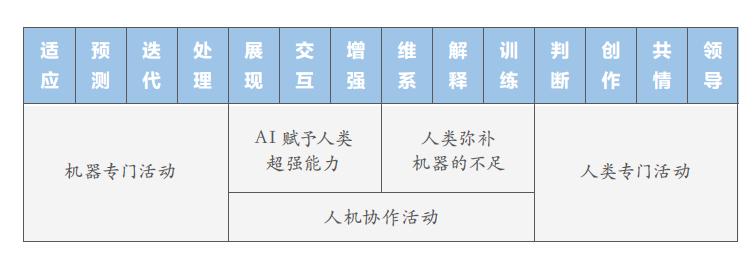
Core Insights - The article discusses how organizations can adapt to environmental changes through effective design, emphasizing the limitations of human rationality and the need for specialized departments and roles [1][2] Group 1: Organizational Design and AI - Organizations are evolving into complex ecosystems that require clear internal collaboration and coordination mechanisms to respond to environmental changes [1] - The introduction of AI is seen as a potential solution to overcome the constraints of human limited rationality in organizational decision-making [2][3] - AI's role in decision-making is highlighted, particularly in the processing and output stages of the decision-making model, which can enhance organizational design [3][4] Group 2: AI's Impact on Decision-Making - AI can provide answers to questions posed by organizations, but its decision-making logic remains opaque, paralleling human decision-making processes that often rely on heuristics [4][5] - AI is viewed as an external brain that can supplement human roles in organizations, with certain tasks being more suitable for machines while others require human judgment [5][6] Group 3: AI in Organizational Practices - Case studies illustrate how AI can significantly reduce costs and improve efficiency in various organizational functions, such as game development, while also highlighting its limitations [7][8] - Employees express concerns about effectively instructing AI, indicating that successful AI implementation relies on knowledgeable personnel [8] Group 4: Governance and Ethical Considerations - The integration of AI into high-level management raises complex issues regarding accountability and the ethical implications of AI-driven decisions [9] - New governance mechanisms are needed to address the challenges posed by AI in strategic decision-making, including accountability for AI-generated outcomes and the potential erosion of human judgment [9] Group 5: Organizational Change Theories - The article critiques traditional planned change theories in the context of digital transformation, suggesting that organizations must adopt a more flexible, iterative approach to change driven by data and practice [14][15] - A new theory of continuous change is proposed, where organizational goals evolve through ongoing iterations rather than being predetermined [15][16] Group 6: Future Organizational Structures - The emergence of AI may lead to new organizational forms that prioritize flexibility and real-time data-driven processes, potentially redefining the concept of organizational scale [12][13] - Organizations may need to shift from a traditional role-based structure to one that is process-oriented, allowing for more adaptive and efficient operations [12][13]

HR赋能业务?这个思路可行
3 6 Ke· 2025-06-03 03:11
Core Insights - The article discusses the challenges faced by HR Business Partners (HRBPs) in creating value for business departments, highlighting that they often revert to traditional administrative tasks rather than providing strategic support [2][4][8] - It emphasizes the need for HRBPs to shift their focus from transactional work to understanding and enhancing organizational strategy and effectiveness [3][5][6] Group 1: HRBP Challenges - HRBPs are often perceived as not adding significant value, merely performing traditional tasks in a different location [2][4] - Business departments typically request HRBPs to assist with recruitment rather than strategic initiatives, indicating a lack of trust in HR's ability to drive business performance [2][3] Group 2: Strategic Value Creation - To create professional value, HRBPs should engage with business departments by addressing organizational issues that impact strategic execution [4][5] - HRBPs can facilitate discussions around organizational adjustments to improve performance, thereby aligning with business leaders' strategic goals [5][6] Group 3: Organizational Analysis - HRBPs should analyze business processes before organizational structure to identify inefficiencies and areas for improvement [6][7] - A lack of clarity in processes and roles often indicates deeper strategic misunderstandings within business departments, presenting an opportunity for HRBPs to add value [7][8] Group 4: Effective HRBP Engagement - HRBPs should avoid rushing to solve minor issues and instead focus on identifying and addressing key strategic problems [8] - By enhancing organizational effectiveness, HRBPs can better utilize existing talent and contribute to overall business success [8]