AI大模型

Search documents
为何这一轮硬科技独角兽背后,都有美团?
Sou Hu Cai Jing· 2026-03-30 03:01
Group 1 - The core focus of Meituan's investment strategy has shifted from "Food + Platform" to "Retail + Technology," with a significant emphasis on hard technology investments since 2020 [15][16] - Meituan has consistently invested in hard technology projects, with over half of its annual investments directed towards this sector [15][16] - The company has established a comprehensive AI robotics landscape through sustained investments in leading firms such as Yushutech, Galaxy General, and various AI model companies [14][16] Group 2 - Meituan's investment approach is characterized by early and continuous funding in emerging sectors, rather than waiting for market trends to dictate involvement [16] - The company aims to leverage AI as a strategic opportunity to enhance its core local services, rather than merely pursuing financial returns from investments [16][17] - Meituan's CEO has articulated a vision to create an "AI foundation for the physical world," emphasizing an offensive strategy in the AI revolution [16][17]


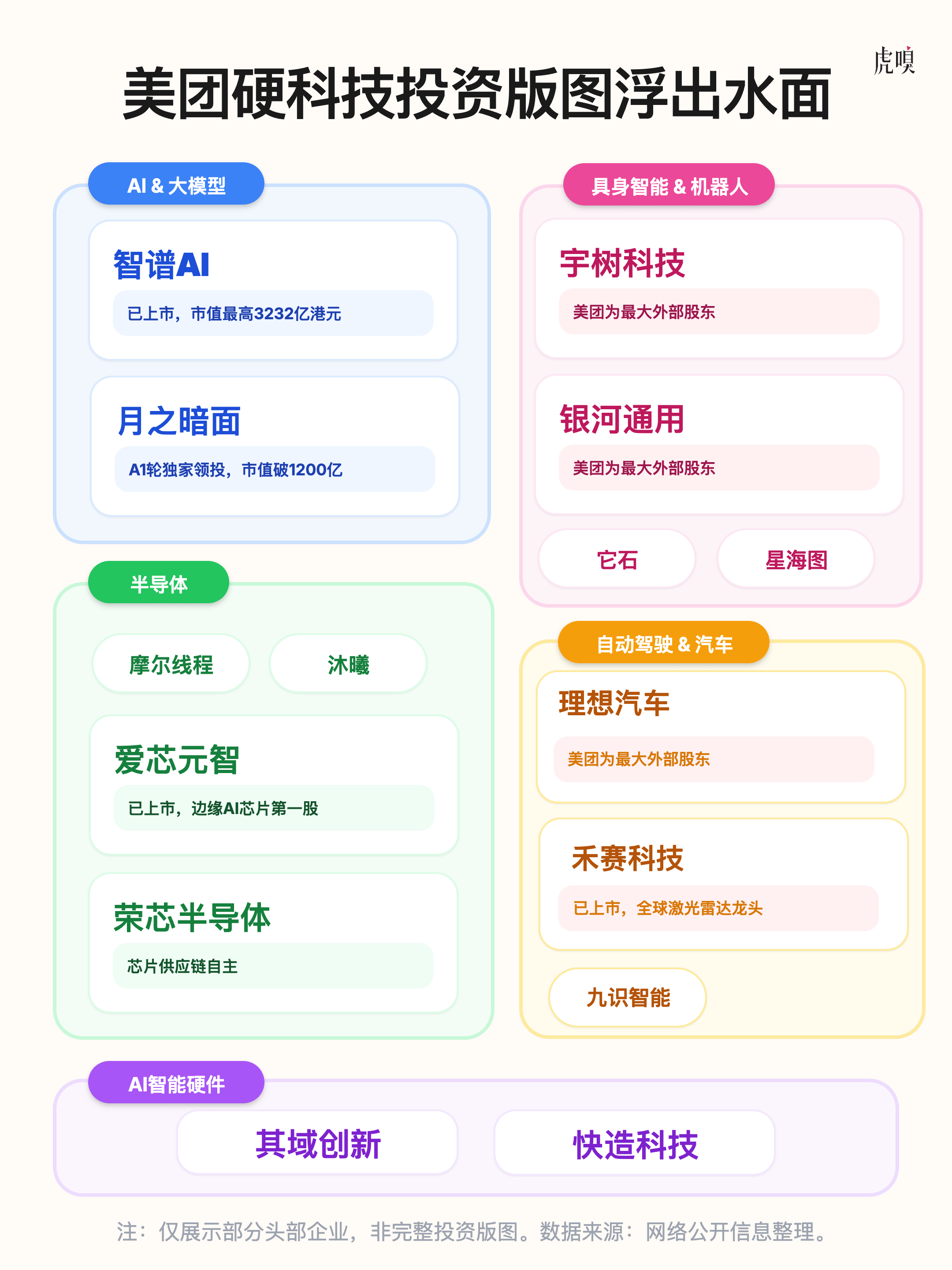
计算机行业研究:国内算力部分进入业绩临界点
SINOLINK SECURITIES· 2026-03-29 08:24
Investment Rating - The report indicates a positive investment outlook for the domestic AI computing industry, highlighting significant growth potential and performance improvements among key players [5][12]. Core Insights - The domestic average daily token usage has surpassed 140 trillion, marking a growth of over 1000 times in two years, with Chinese AI models leading globally [11][12]. - A CPU price increase is underway, with Intel and AMD planning to raise prices by 10-15% due to supply shortages and increased demand from large enterprises [14][15]. - The report predicts that 2026 will be a pivotal year for China's computing demand, transitioning from "cloud training" to a dual-driven model of "training + inference" [5][26]. Summary by Sections Section 1: Domestic Token Surge and CPU Price Increases - The average daily token usage in China has grown from 100 billion at the beginning of 2024 to 140 trillion by March 2026, with significant contributions from domestic AI models [11]. - Domestic AI computing and leasing companies are reaching a performance inflection point, with companies like Cambricon and Lito Electronics expected to see substantial revenue growth [12]. Section 2: Rapid Release of Computing Demand - Major internet companies are advancing their AI models, with a focus on high-quality and multi-modal capabilities, driving up the demand for computing resources [26]. - The inference side of computing demand is expected to grow steeply, with applications in AI entertainment and programming gaining traction [41]. Section 3: Supply Side Improvements and Domestic Production Acceleration - The supply side is transitioning from a state of scarcity to structural balance, with increased availability of computing resources to meet rising demand [5]. - Domestic chip manufacturers are achieving significant performance milestones, with companies like Huawei and Cambrian making strides in their product offerings [20][22]. Section 4: Full Chain Inflation in Domestic Computing - The report anticipates a "full-chain inflation" cycle in the computing industry, with growth expected across various segments including AI data centers and cloud services [5]. - Investment strategies should focus on companies closely tied to major internet firms, which are likely to yield significant returns due to their established supply chains [5]. Section 5: Related Companies - Key companies mentioned include Dongyangguang, Cambrian, Haiguang Information, Lito Electronics, YN Energy, and others involved in the AI computing ecosystem [3].




国内对成品油价进行调控,全球股债遭遇黑色星期一 | 财经日日评
吴晓波频道· 2026-03-24 01:01
Group 1: Oil Price Regulation in China - The National Development and Reform Commission announced temporary measures to regulate domestic refined oil prices due to significant increases in international oil prices caused by escalating conflicts in the Middle East [2] - As of March 23, the domestic gasoline and diesel prices were adjusted down by 1160 RMB and 1115 RMB per ton, respectively, which translates to a reduction of approximately 0.85 RMB per liter for consumers [2] - This is the first price regulation since the current pricing mechanism was implemented in 2013, aimed at alleviating the burden on downstream users and ensuring economic stability [2] Group 2: Trade Growth in Yiwu - Yiwu's total import and export value reached 1735.6 billion RMB in the first two months of the year, marking a 52.8% increase year-on-year [4] - Exports accounted for 1547.2 billion RMB, growing by 52.9%, while imports were 188.4 billion RMB, up by 52.6% [4] - The growth in trade is attributed to a surge in orders before the Spring Festival, with high-value electromechanical products seeing a 54.8% increase in exports [5] Group 3: Zijin Mining's Acquisition of Chifeng Gold - Zijin Mining announced a share transfer agreement with Chifeng Gold, involving the sale of 242 million A-shares for a total of 100.06 billion RMB [6] - Following the transaction, Zijin Mining will hold approximately 25.85% of Chifeng Gold's expanded share capital, making it the largest shareholder [6] - The deal reflects a strategic move as the gold market remains volatile, with Zijin Mining expected to play a significant role in Chifeng Gold's future development [7] Group 4: Musk's Chip Factory Announcement - Elon Musk announced the launch of a massive chip manufacturing project named TERAFAB, aiming for an annual production capacity of 1 terawatt, which is 50 times the current global chip production capacity [8] - The project will primarily support space missions, with a significant portion of the output dedicated to AI applications [8] - The ambitious scale and integration of design, production, and testing processes raise questions about the project's feasibility and potential challenges in execution [9] Group 5: Domestic AI Model Usage - Domestic AI model usage has surpassed that of U.S. models for three consecutive weeks, with a total calling volume of 7.359 trillion tokens, a 56.9% increase from the previous week [10] - The top five models in usage include several from Chinese companies, indicating a growing trend in the adoption of domestic AI technologies [10] - The cost-effectiveness of Chinese AI models, often significantly lower than their U.S. counterparts, is driving their increased usage [11] Group 6: Texas Natural Gas Price Drop - The spot price of natural gas in Texas has fallen to -9.75 USD per million British thermal units, with predictions of further declines due to pipeline capacity issues [12] - Increased oil production in response to geopolitical tensions has led to an oversupply of natural gas, which cannot be transported effectively, resulting in negative pricing [12] - The situation highlights the challenges in energy transportation and the impact of geopolitical events on local markets [13] Group 7: Global Market Reactions - Global stock, bond, and gold markets experienced significant declines as tensions in the Middle East escalated, with major indices dropping sharply [14] - The prolonged conflict has led to rising inflation expectations, prompting concerns about potential interest rate hikes by central banks [15] - The current geopolitical climate is causing a reevaluation of asset allocations, particularly in gold, as central banks reassess their reserves amid energy price volatility [15] Group 8: Chinese Market Stability - Despite global market turmoil, the Chinese market has not yet experienced significant adverse effects, with trading volumes remaining robust [16] - However, there are concerns about liquidity risks as the proportion of active trading funds appears insufficient to support the current market levels [17]


港股AI储能三巨头业绩大超预期,中国科技正在主导全球Token定价权!
财联社· 2026-03-22 13:43
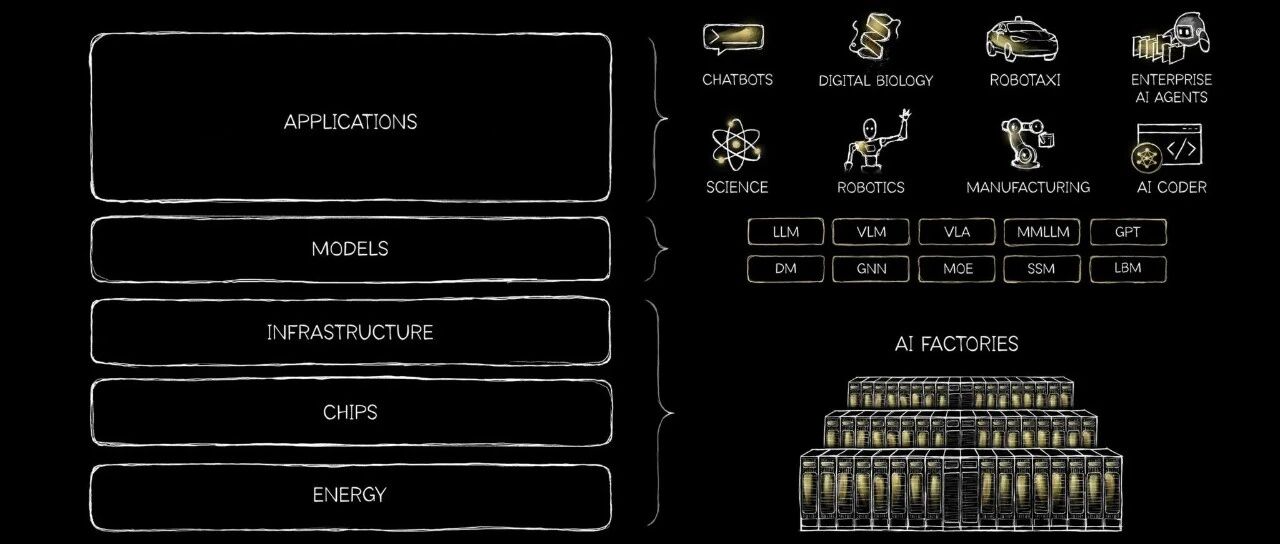
Core Viewpoint - The global AI industry is transitioning from a "model competition" to a "cost competition," with China leading in AI model usage and token pricing power, significantly impacting the energy and storage sectors [1][7]. Group 1: AI Model Usage and Market Dynamics - As of March 2026, China's AI model weekly usage surged to 46.9 trillion tokens, an increase of 11.83%, while the U.S. saw a decline of 9.33% to 32.94 trillion tokens [1]. - The competition in AI is fundamentally a competition for computing power, which is intrinsically linked to energy costs, reshaping the valuation logic in the energy storage sector [1][7]. Group 2: Performance of Key Companies - CATL (宁德时代) reported a revenue of 423.7 billion RMB in 2025, a year-on-year increase of 17.04%, with net profit rising by 42.28% to 72.2 billion RMB, driven by a 29.13% increase in energy storage battery sales [4]. - Zhongchuang Innovation (中创新航) projected a net profit of 2.025 to 2.193 billion RMB for 2025, representing a growth of 140% to 160% year-on-year, capitalizing on the demand for large-capacity energy storage systems [5]. - Guoxia Technology (果下科技) achieved a total revenue of approximately 2.057 billion RMB in 2025, a 100.6% increase, with a net profit of about 103 million RMB, marking a 109.5% growth [6]. Group 3: Policy Support and Industry Outlook - The Chinese government has set clear goals for the energy storage industry, aiming for a new storage capacity of over 180 million kilowatts by 2027, with an investment of approximately 250 billion RMB [7]. - The synergy between energy, computing power, and AI models positions China to dominate global token pricing, leveraging its cost structure advantages [7][12]. Group 4: Future Trends in AI and Energy Storage - The AI industry is expected to see exponential growth in energy storage demand, with companies like MiniMax and Zhiyuan achieving significant revenue growth and expanding their global presence [8]. - The concept of "Energy as the foundation of AI" is emphasized, with energy supply being crucial for the scalability of AI applications, as articulated by NVIDIA's CEO [9][11].
早盘直击|今日行情关注
申万宏源证券上海北京西路营业部· 2026-03-18 02:03
Market Overview - A-shares experienced a rebound in early trading but ultimately retreated due to rising oil prices and the US dollar, leading to increased market risk aversion [1] - The "seesaw" effect was evident, with technology and AI sectors declining while traditional sectors like finance, real estate, and food and beverage saw gains [1] - The uncertainty in the Strait of Hormuz continues to impact oil transportation, suggesting potential volatility in oil and dollar prices in the near term [1] Future Outlook - The ongoing uncertainty in the Middle East may influence short-term market dynamics, particularly oil price movements [1] - A significant rise in oil prices could heighten market concerns and affect sector rotation within A-shares, with the petrochemical sector potentially suppressing preferences for technology growth stocks [1] - Despite short-term fluctuations, the long-term upward trend for A-shares remains intact, supported by increased household savings entering the market and a recovery in the performance of A-share listed companies [1] Hot Sectors - March marks the beginning of the annual report season, with high-performing sectors expected to attract market attention [2] - Key areas of focus include AI hardware, which is experiencing a growth trend, and the anticipated peak of AI applications by 2026 [2] - The trend towards domestic semiconductor production continues, with attention on semiconductor equipment, wafer manufacturing, materials, and IC design [2] - The demand for new energy materials is rising due to rapid growth in domestic and overseas energy storage needs, leading to supply shortages and price increases [2] - The price increase cycle for non-ferrous metals and chemicals is expected to continue, contributing to strong annual report performances [2]

被315晚会点名后,哈啰、网红鸡爪品牌、AI企业等紧急回应!多地执法部门连夜通报!
新浪财经· 2026-03-16 10:10
Core Viewpoint - The article highlights various consumer rights violations exposed during the "3·15" gala, including issues related to food safety, fraudulent marketing practices, and illegal activities in the electric bike rental sector. It discusses the immediate responses from regulatory authorities and affected companies to address these violations [2][4]. Group 1: Regulatory Responses - Multiple regions initiated emergency responses and investigations against companies involved in the violations highlighted during the "3·15" gala [3][4]. - Tianjin established a joint investigation team to address issues related to Haolin (Tianjin) Biotechnology Co., Ltd., emphasizing the commitment to combat illegal activities and protect consumer rights [5]. - The Shenyang Market Supervision Bureau reported on the investigation of companies involved in fraudulent marketing targeting the elderly, with a commitment to strict legal enforcement [7]. Group 2: Specific Violations and Investigations - Chongqing's market supervision authorities are investigating a company for illegally using hydrogen peroxide in the production of chicken feet, with actions taken to seize products and initiate legal proceedings [9]. - Chengdu's market supervision bureau is conducting a comprehensive investigation into companies involved in the "bleached chicken feet" and "universal medicine" scandals, with measures taken to halt production and seal off products [10]. - Hangzhou's market supervision bureau reported on an investigation into a company involved in a height-increasing scam, with legal actions underway [14]. Group 3: Company Responses - Haolo, a bike rental company, issued an apology following the exposure of illegal speed limit removals in their electric bikes, acknowledging the issues raised by the "3·15" gala [20]. - Multiple chicken feet brands responded to allegations of using industrial hydrogen peroxide, asserting compliance with safety regulations and denying the use of prohibited substances in their production processes [26]. - AI companies released statements condemning the misuse of AI technologies for generating false information and manipulating search results, emphasizing their commitment to ethical practices [27][29].


一个VC的十年成长之路:3年投出独角兽,10年收获千亿市值IPO
创业邦· 2026-03-15 06:06
Core Viewpoint - The article discusses the investment journey of Chen Yu, a partner at Yunqi Capital, highlighting his investment philosophy and the successful ventures he has backed, including MiniMax, PingCAP, and others. It emphasizes the "3, 7, 10" rule for venture capitalists, which outlines the milestones for a successful investor over a decade [6][16][29]. Group 1: Investment Philosophy - Chen Yu believes that a qualified VC investor should achieve specific milestones: invest in a unicorn within three years, ensure that unicorns survive by the seventh year, and facilitate their IPO by the tenth year [6][16]. - He emphasizes the importance of investing in founders who are smart, honest, ambitious, and possess technical taste, rather than solely focusing on their educational background [19][28]. Group 2: Successful Investments - MiniMax, which went public in early 2026 with a market capitalization exceeding HKD 100 billion, was initially valued at only CNY 1.2 billion during its angel round investment [5][25]. - PingCAP, another successful investment, was made during a time when few investors understood the distributed database sector. It has since become a unicorn with a valuation exceeding USD 1 billion [14][24]. - Chen Yu also invested in autonomous driving companies, including Yuanrong Qixing and New Stone, both of which have achieved unicorn status [18][21]. Group 3: Investment Strategy - The article highlights the importance of making investment decisions based on deep technical understanding and independent judgment, rather than following market trends [26][28]. - Chen Yu's approach involves assessing the underlying technology and the potential market size, focusing on the critical point when technology reaches maturity [24][29]. - He stresses that successful investments require continuous attention to commercialization from the outset, not just as an afterthought [28]. Group 4: Future Outlook - Looking ahead, Chen Yu is focusing on two main areas: physical AI and AI agents, particularly in international markets, as he believes China has advantages in AI hardware [29]. - The article concludes by reiterating the "3, 7, 10" rule as a comprehensive framework for VC growth and success in the investment landscape [29].
渤海证券研究所晨会纪要(2026.03.13)-20260313
BOHAI SECURITIES· 2026-03-13 00:30
Macro and Strategy Research - The capital market will focus on five enhancements, with a short-term emphasis on stability, indicating a "slow bull" market foundation [3] - In the recent trading period (March 6 to March 12), major indices showed mixed results, with the Shanghai Composite Index rising by 0.50% and the ChiNext Index increasing by 3.13% [3] - The recent CPI data for February showed a year-on-year increase of 1.3% and a month-on-month increase of 1.0%, influenced by low base effects from the Spring Festival and recovering consumer demand [3] - The PPI for February decreased by 0.9% year-on-year but increased by 0.4% month-on-month, with the decline narrowing due to the effects of "anti-involution" policies and price stabilization in certain sectors [3] Industry Research - The computing industry saw a significant increase, with the Shenwan computing sector rising by 5.83% from March 5 to March 11, outperforming the broader market [7] - The demand for AI computing power is expected to remain high, supported by recent price increases in cloud services from major providers like Amazon AWS and Tencent Cloud [7][8] - Domestic models such as MiniMax M2.5 and Kimi K2.5 are anticipated to become core choices for high Token consumption applications due to their cost advantages [8] - The AI application sector is experiencing rapid growth, with the potential for the industry to enter a new phase of development in 2026, driven by model iteration and promotion by major internet companies [8] Policy Aspects - The construction of supercomputing clusters and the capital expenditure of domestic and foreign cloud vendors are expected to continue to support the computing power sector [5] - The synergy between electricity and computing, along with rising expectations for energy storage demand, presents investment opportunities in the power equipment sector [5] - The importance of resource security is increasing due to geopolitical uncertainties, creating investment opportunities in the resource sector [5]
【美股盘前】国际油价涨破100美元后回调;限制旗下一私募信贷基金赎回额度,大摩跌超2%;电车战略变动计提157亿美元损失,本田跌近8%;英伟达将投资26...
Mei Ri Jing Ji Xin Wen· 2026-03-12 10:24
Group 1 - Major U.S. stock index futures declined, with Dow futures down 0.77%, S&P 500 futures down 0.63%, and Nasdaq futures down 0.63% [1] - Morgan Stanley restricted redemptions for a private credit fund to 5% of circulating units due to increased investor withdrawal concerns, resulting in a 2.11% drop in its stock [1] - Tesla's energy division received a power supply license from the UK energy regulator, allowing it to supply electricity to homes and businesses across the UK, with Tesla's stock down 0.15% [1] Group 2 - Three major international chip design firms, Texas Instruments, NXP, and Infineon, announced price increases effective April 1, impacting the automotive and industrial electronics sectors, with Texas Instruments' stock down 0.66% [2] - International oil prices briefly surpassed $100 per barrel before retreating, with Brent crude futures reaching a high of $101.59 before settling at $98.86 per barrel, amid a forecasted reduction in global oil supply by 8 million barrels per day [2] Group 3 - NVIDIA plans to invest $26 billion over the next five years to develop open-source AI models, with the first models expected to be available by late 2026 to early 2027, while its stock fell 0.7% [3] - Honda announced the cancellation of three planned electric vehicle models in North America, leading to an estimated loss of approximately $15.73 billion, with Honda's stock down 7.88% [3] - Google is splitting its fiber internet division and merging it with Astound, retaining only a minority stake in the new company, resulting in a 0.76% decline in its stock [3] Group 4 - Shell announced a force majeure on LNG cargo sales from Qatar after the Qatar Energy Company halted production at its LNG facility, leading to a 0.4% drop in Shell's stock [4]

2026《AI GP图谱》发布
FOFWEEKLY· 2026-03-12 10:05
Core Insights - Artificial intelligence (AI) is becoming a core engine for new productivity, deeply integrating into global industrial transformation, with a shift in domestic VC investment focus towards industry applications with clear scenarios and strong commercialization capabilities [4][6]. - The Chinese AI market is projected to grow from $28.18 billion in 2025 to $202 billion by 2032, with a compound annual growth rate (CAGR) of 32.5%, significantly outpacing the US market [6]. - National policies are elevating AI from a technical domain to a strategic element across various sectors, emphasizing its role in digital infrastructure and national security [8][9]. AI Industry Development Status and Trends - The AI sector is experiencing a high-growth cycle driven by technological advancements and market demand, with significant breakthroughs in large model technologies and a clear path to commercialization [6]. - The investment logic in AI is supported by the need for self-sufficiency amid global strategic competition, reinforcing the domestic substitution narrative [6]. Policy Environment - The "14th Five-Year Plan" positions AI as a strategic element, integrating it into national security and digital economy initiatives [8]. - Key policies include the establishment of a comprehensive AI standardization system and the promotion of AI applications across various sectors by 2025 [9]. Funding Landscape - National-level mother funds are increasingly investing in AI, with several new funds established in 2025, indicating AI's core status in national strategic development [11]. - Notable funds include the National AI Industry Investment Fund with a total scale of 60.06 billion yuan, and several regional funds supporting AI initiatives [12]. Investment Trends - The majority of AI financing events are concentrated in early-stage rounds, with 308 notable financing events recorded, primarily in seed to Pre-A rounds [18]. - Investment activity is heavily concentrated in Beijing and Guangdong, accounting for nearly 60% of total financing events [21]. AI Sector Focus Areas - The report emphasizes three key focus areas: foundational computing infrastructure, foundational models, and embodied intelligence, with respective financing events of 132, 108, and 68 [24]. GP Selection in AI Industry - A total of 523 investment institutions were analyzed, narrowing down to 34 GP institutions with significant investment activity in AI [27]. - The majority of GPs are private or industry-backed, with a focus on early-stage investments [31]. Institutional Analysis - Nearly half of the analyzed institutions manage less than 1 billion yuan, indicating a concentration of smaller funds in the AI investment landscape [35]. - The distribution of funds shows a balance between RMB and dual-currency funds, with 11 RMB funds and 9 dual-currency funds identified [38]. Performance Metrics - Key performance indicators for GPs include lead investment rates, follow-up rates, and IPO success rates, which are critical for assessing investment capabilities and market influence [42][44]. - The average equity stake in investments is a significant metric for evaluating GP influence and potential exit success [48]. Conclusion - The report aims to provide LPs with insights into AI industry GP investment trends, helping them identify capable institutions and understand their market positioning [54].