细胞间通讯

Search documents
有奖竞猜:「2026国自然」哪些生物医药方向将引爆新一轮研究热潮?参与赢小米照片打印机!
生物世界· 2025-12-29 04:16
Core Insights - The article discusses the anticipated hot research areas for the National Natural Science Foundation of China (NSFC) funding in 2026, emphasizing the importance of understanding these trends for project design [4][5]. Group 1: Core Mechanisms - Key focus areas include immune regulation (macrophage polarization, neutrophil function, T-cell exhaustion), mitochondrial function and homeostasis, novel cell death mechanisms (ferroptosis, pyroptosis), metabolic reprogramming (glycolysis, lactylation), and post-translational modifications of proteins (ubiquitination, SUMOylation) [4]. Group 2: Frontier Interdisciplinary Areas - Emerging fields highlighted are epitranscriptomics (RNA modifications like m6A, m7G), intercellular communication (exosomes), host-microbiome interactions (gut microbiota), and stem cells with regenerative medicine [5]. Group 3: Key Technologies - Important technological advancements include single-cell and spatial multi-omics, organoids and disease models, and AI/machine learning-driven target discovery and data analysis [5]. Group 4: Research Case Studies - The article presents several research cases that exemplify how researchers are engaging with these hot topics, including: - Neutrophils and their role in thrombosis, published in the European Heart Journal [12]. - Immune evasion mechanisms in tumors, published in Cell [13]. - Gut microbiota's role in Crohn's disease, published in Gut [14]. - Glycolysis and its implications in cancer, published in Signal Transduction and Targeted Therapy [14]. - Development of organoids for bone repair, published in Advanced Materials [14].


Cell子刊:新疆医科大学一附院赵文/杨毅团队揭示迁移体的新功能——促进骨折愈合
生物世界· 2025-11-18 08:00
Core Insights - The study highlights the role of M2 macrophage-derived migrasomes in enhancing fracture healing through the coordination of CXCL12/CXCR4 signaling and neutrophil-MMP-9/MSC-EphB2 pathways, providing a promising strategy for tissue engineering in fracture repair [3][7]. Group 1: Mechanisms of Action - M2 macrophage-derived migrasomes are found to be rich in CXCL12, which activates the CXCL12/CXCR4 signaling axis to promote the migration of mesenchymal stem cells (MSCs) [6]. - The study reveals that M2-migra regulates the expression of neutrophil-derived MMP-9, enhancing the expression of EphB2 receptors on MSCs, thereby promoting osteogenic differentiation and fracture healing [6][9]. - Compared to M2-exosomes, M2-migra exhibits superior MSC homing capabilities through a dual mechanism involving CXCL12/CXCR4 recruitment and neutrophil-MMP-9/MSC-EphB2 induced osteogenic differentiation [7][9]. Group 2: Experimental Findings - The research team isolated migrasomes and exosomes from polarized M2 and M1 macrophages and co-cultured them with MSCs to assess their effects on MSC migration [5]. - An injectable thermosensitive hydrogel was developed to first release migrasomes to recruit MSCs, followed by the delivery of BMP-2 to enhance osteogenic activity, resulting in accelerated bone healing in mouse models [9][10]. - The study suggests a new paradigm of using immune cell-derived vesicles as programmable delivery vehicles for recruiting and guiding endogenous repair cells, applicable not only for fracture healing but potentially for other tissue regeneration [9].

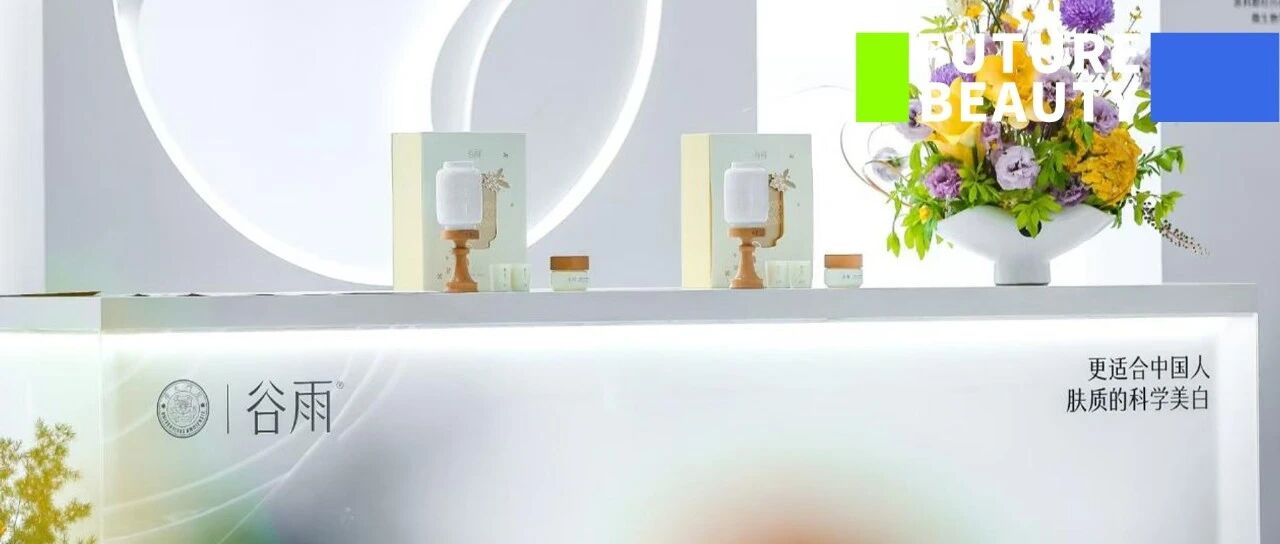
谷雨,突破外泌体技术“最后一公里”
FBeauty未来迹· 2025-09-25 13:06
Core Viewpoint - The establishment of the Xiamen University-Guyu Biomedicine Joint Research Center and the launch of the human-like exosome HME represent a significant breakthrough in the application of exosomes in the beauty industry, potentially overcoming the challenges of industrialization and safety [3][4][5]. Group 1: Understanding Exosomes - Exosomes are small vesicles that facilitate intercellular communication by delivering proteins and nucleic acids, playing a crucial role in regulating metabolism and cellular repair [5][6]. - The decline in the function of exosomes with aging highlights their importance in anti-aging treatments, as they are essential for maintaining healthy cellular communication [6][8]. Group 2: Challenges in Application - Current market offerings primarily feature plant-derived exosomes, which are less effective due to structural differences with human cells, while human-derived exosomes face regulatory challenges and safety concerns [8][10]. - The classification of exosomes as Advanced Therapy Medicinal Products (ATMP) by the Chinese National Medical Products Administration indicates a clearer direction for research and application in the industry [8][10]. Group 3: Breakthrough of HME - The human-like exosome HME is not a simple extraction from natural exosomes but a product of reverse engineering and optimization, addressing safety, efficiency, and industrialization challenges [10][12]. - HME mimics the structure and active components of human-derived exosomes, allowing for better cellular recognition and uptake, thus enhancing delivery efficiency [12][13]. Group 4: Advantages of HME - HME directly regulates target genes and signaling pathways, significantly shortening the action mechanism compared to traditional anti-aging ingredients [16]. - The incorporation of targeting peptides in HME allows for precise delivery to key skin cells responsible for regeneration, improving utilization compared to conventional treatments [16][17]. - HME can be stored at room temperature, overcoming the stability issues associated with natural exosomes, thus facilitating large-scale production [17][18]. Group 5: Research and Development Strategy - The collaboration with Xiamen University enhances Guyu's research capabilities, shifting focus from application optimization to foundational research in anti-aging [22][23]. - The development of rare ginsenoside CK for anti-aging drug research reflects a strategic move to strengthen the brand's capabilities in raw material selection and efficacy validation [23][24]. Group 6: Future Directions - The introduction of HME signifies a transition towards gene-level research in skincare, aiming to directly influence cellular functions and reverse aging processes [25][26]. - Guyu's approach aligns with the broader goals of life sciences, positioning the brand uniquely in the competitive landscape of global beauty technology [25][26].