经济掠夺

Search documents
两岸观察丨民进党当局“跪美”的结局与“卖台”的真相
Xin Lang Cai Jing· 2026-01-19 12:00
Core Viewpoint - The recent trade agreement between the Democratic Progressive Party (DPP) of Taiwan and the United States, which includes a reduction of tariffs on Taiwanese goods from 20% to 15%, is perceived as a significant compromise that undermines Taiwan's core industrial advantages, particularly in the semiconductor sector [1][3][5]. Group 1: Economic Impact - The agreement requires Taiwan to invest a total of $500 billion, with $250 billion in direct investments and $250 billion in credit guarantees, while also mandating the transfer of 40% of its semiconductor production capacity to the U.S. [1][3][10]. - The semiconductor industry, which is crucial for Taiwan's economy, is at risk as the agreement could lead to a significant loss of economic control, with potential consequences including the collapse of upstream and downstream enterprises and widespread unemployment [5][6][8]. - The profit margins for semiconductor manufacturing in the U.S. are drastically lower, with TSMC's margins dropping from 62% in Taiwan to just 8% in the U.S., making the investment economically unfeasible [3][5]. Group 2: Political and Social Reactions - The DPP's handling of the negotiations has been criticized as a "black box operation," leading to public dissatisfaction and accusations of selling out Taiwan's industrial base [6][10]. - The agreement is seen as a strategic move by the U.S. to consolidate its technological dominance while using Taiwan as a pawn in its geopolitical strategy against China [12][16]. - There is a growing sentiment that the DPP's reliance on the U.S. for economic support is detrimental, as it may lead to the hollowing out of Taiwan's industries and a loss of national pride associated with its semiconductor capabilities [8][16]. Group 3: Future Considerations - Experts suggest that the only viable solution for Taiwan's semiconductor industry is to deepen cooperation with mainland China, which could provide a more sustainable path for growth [14][16]. - The current trajectory of Taiwan's economic policy, characterized by a desire for independence and reliance on the U.S., is likely to exacerbate the challenges faced by its semiconductor sector and overall economy [16].


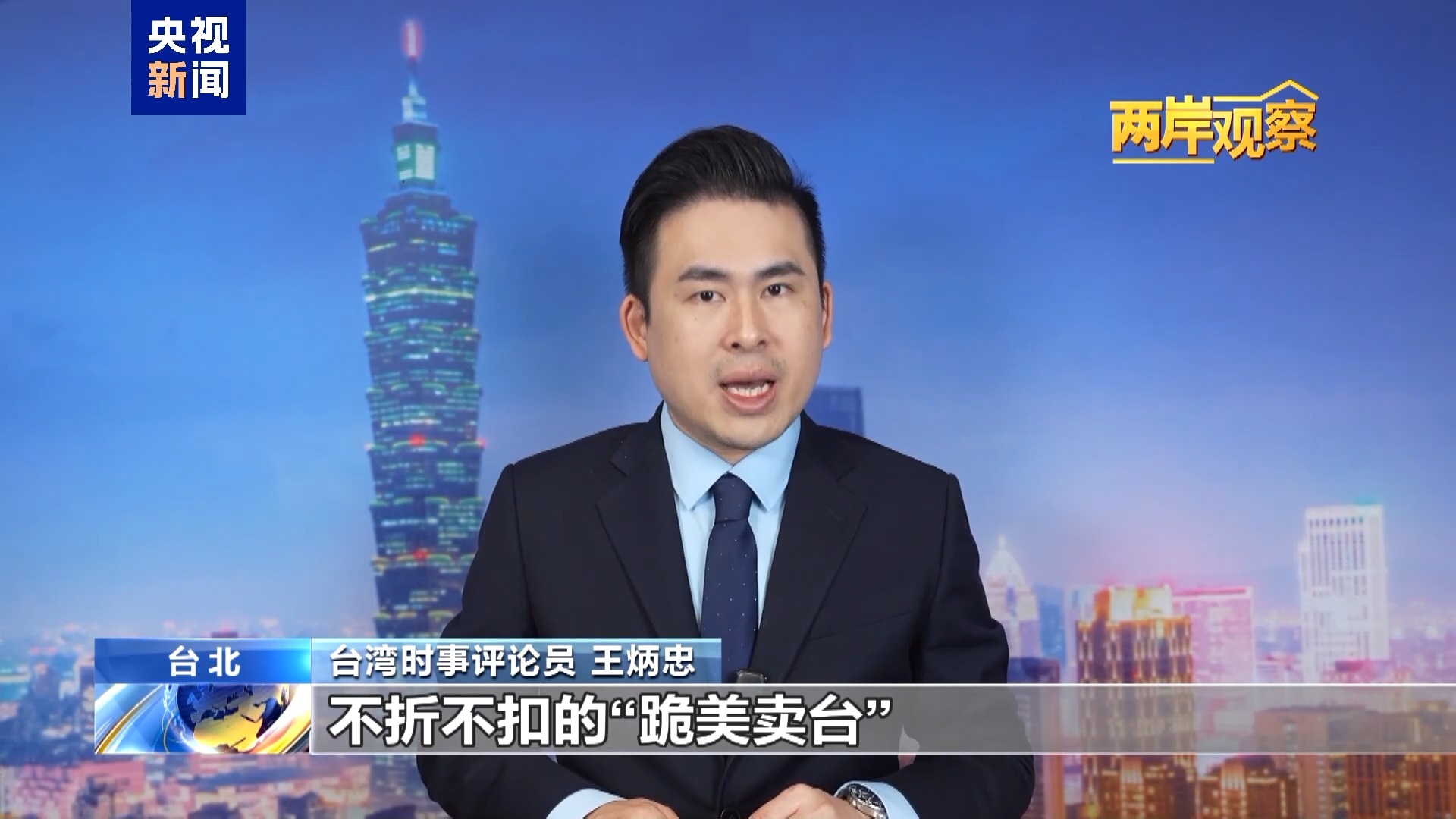
岛内舆论担忧台积电变“美积电” 国台办回应
21世纪经济报道· 2026-01-14 03:23
Core Viewpoint - The article discusses the implications of a potential trade agreement between the U.S. and Taiwan, highlighting concerns over Taiwan's semiconductor industry and the perceived economic exploitation by the U.S. [1] Group 1: Trade Agreement Concerns - The reported trade agreement suggests that U.S. import tariffs on Taiwan could be reduced to 15%, which raises concerns about the relocation of semiconductor production to the U.S. [1] - There is skepticism among Taiwanese commentators regarding the government's strategy of trading investment for tariff reductions, fearing it may lead to a loss of Taiwan's semiconductor capabilities [1] Group 2: Economic Exploitation - The spokesperson from the Taiwan Affairs Office characterized the agreement as a form of economic plunder by the U.S., indicating that it reflects a self-serving "America First" policy [1] - The article emphasizes that the Taiwanese government is perceived as capitulating to external pressures rather than resisting them, which could ultimately harm Taiwan's economic future and the long-term interests of its citizens [1]
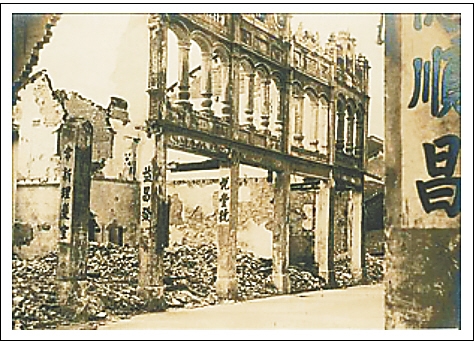
铁蹄踏琼岛 血泪鉴山河
Hai Nan Ri Bao· 2025-09-04 01:53
Core Viewpoint - The article highlights the historical atrocities committed by Japanese forces during their occupation of Hainan Island, emphasizing the immense suffering and loss experienced by the local population over 80 years ago [14][19]. Historical Atrocities - Japanese forces invaded Hainan Island in February 1939, leading to widespread violence, including the bombing of towns and the execution of civilians [15][16]. - The occupation resulted in numerous massacres, with over 200 villagers killed in the "Three-One Massacre" and a total of 566,174 casualties recorded during the occupation [20][23]. - The Japanese military employed brutal tactics, including the "Three Alls" policy (burn all, kill all, loot all), leading to the destruction of entire villages and communities [20][21]. Cultural and Economic Exploitation - The Japanese implemented a cultural invasion through education, establishing 73 Japanese language schools and promoting propaganda to indoctrinate the local population [21][22]. - Economically, Japan exploited Hainan's natural resources, particularly iron ore, with significant quantities extracted and shipped back to Japan, including 41,000 tons from Shiluo Iron Mine and 241,000 tons from Tiandu Iron Mine [22][23]. - The total financial loss due to the occupation was estimated at 80,907,270 yuan (1937 currency), alongside the forced labor of over 200,000 local workers, with a high casualty rate of 60% among them [23].