经济治理理论

Search documents
经济治理理论的创新和突破丰富和发展了习近平经济思想
Sou Hu Cai Jing· 2025-12-09 08:37
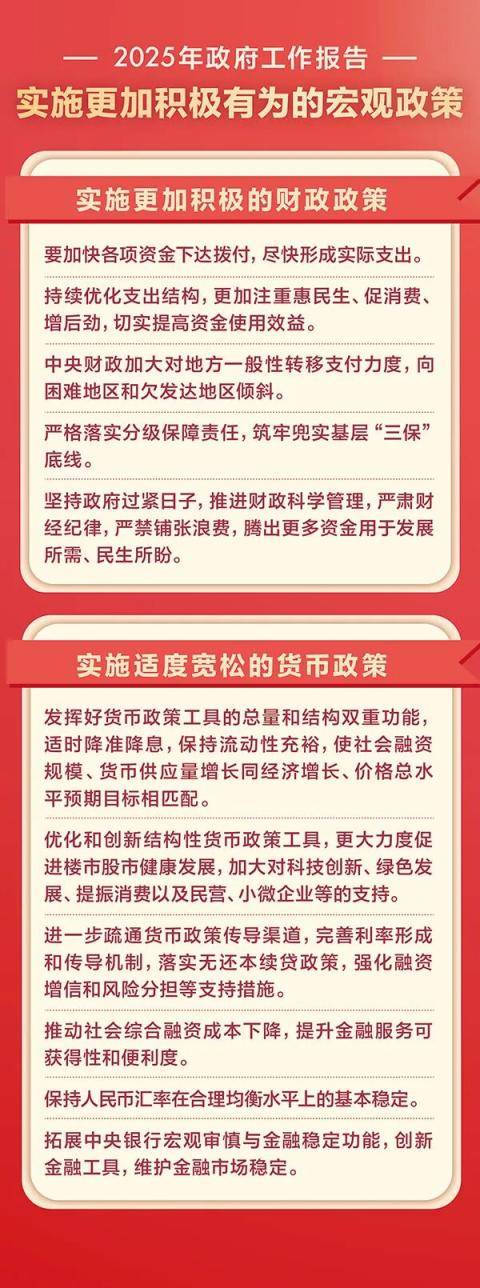
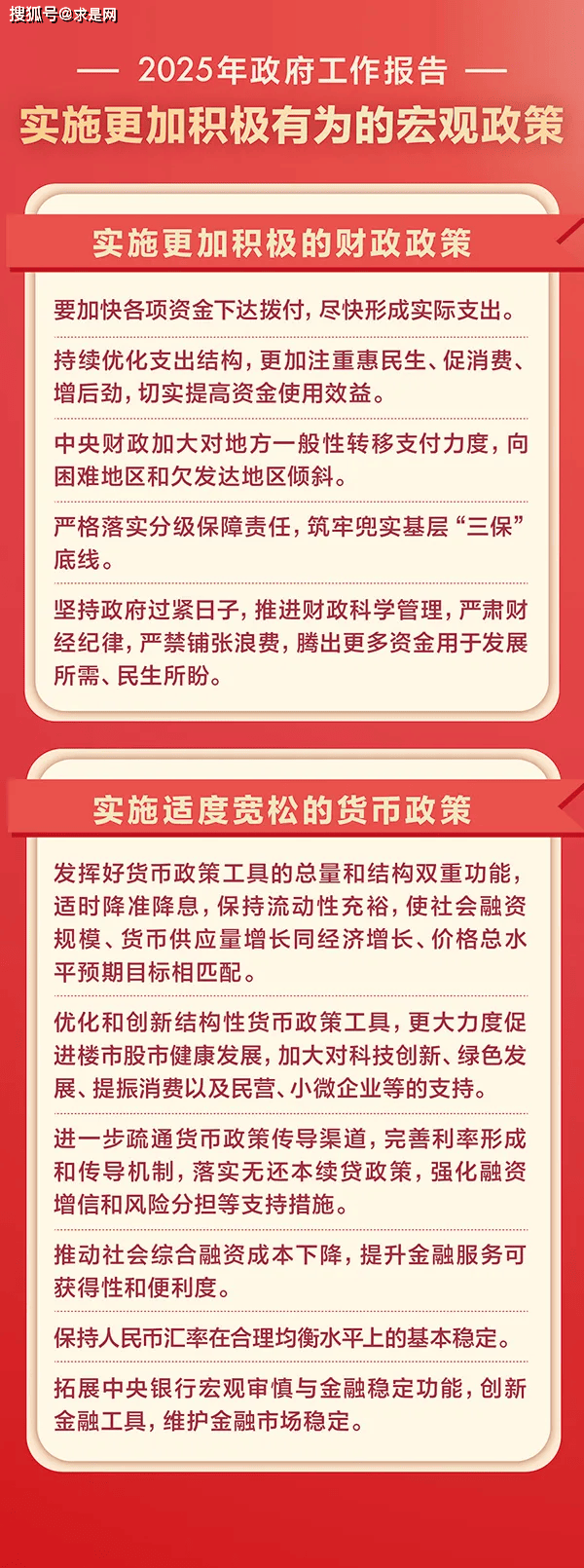
Core Viewpoint - Economic governance is a crucial aspect of national governance, aiming to maximize economic potential and public welfare while addressing market failures and maintaining order [1] Group 1: Economic Governance Objectives - The primary goal of economic governance is to explore economic development potential and enhance vitality while effectively addressing market failures [1] - In the context of a complex domestic and international economic environment, high-quality economic governance is essential for achieving sustainable development [1] Group 2: Role of the Communist Party - The Communist Party of China is the highest political leadership force, playing a central role in economic governance [2] - Strengthening the Party's leadership in economic work is fundamental to enhancing governance effectiveness and ensuring policy coherence [2] Group 3: Fiscal and Monetary Policies - The government should maintain a tight fiscal policy, manage finances scientifically, and avoid waste to allocate more funds for development and public welfare [4] - An appropriately loose monetary policy is necessary to ensure liquidity and support sectors like real estate, technology innovation, and small enterprises [5] Group 4: Macro-Economic Governance - Macro-economic governance is the core of economic governance, requiring innovative governance approaches to address increasing complexity [8] - The focus has shifted from mere macro-control to comprehensive macro-economic governance, emphasizing the importance of strategic planning and policy coherence [8] Group 5: Development and Security - Economic governance must balance development and security, as high-level security is a prerequisite for high-quality development [9] - The emphasis on integrating development and security reflects the need to address risks and challenges in a complex environment [9]

体系化学理化研究阐释 | 经济治理理论的创新和突破
Sou Hu Cai Jing· 2025-12-04 16:42
Group 1 - Economic governance is a key component of national governance, aiming to maximize national economic interests and public welfare while addressing market failures [1][2] - The relationship between the Party's leadership and economic work is crucial for enhancing economic governance efficiency, ensuring policy coherence and systematic governance [2][5] - The Chinese economy has shown resilience and vitality, with GDP expected to reach approximately 140 trillion yuan in 2024, reflecting the effectiveness of Xi Jinping's economic governance theory [8][9] Group 2 - The theory emphasizes the need for a balanced relationship between government and market forces, advocating for a combination of effective market mechanisms and proactive government intervention [5][6] - Macro-economic governance has evolved from mere control to a comprehensive governance approach, focusing on strategic planning and policy coherence [6][9] - The theory also highlights the importance of integrating development and security, ensuring that high-quality development is supported by a robust security framework [7][16] Group 3 - The governance model proposed by Xi Jinping contrasts with Western approaches, which have faced challenges such as economic stagnation and social inequality, indicating a shift towards a more integrated governance system [10][12] - The emphasis on a tailored governance approach based on national conditions and cultural traditions is crucial for sustainable development [13][14] - The need for continuous improvement in the Party's leadership mechanisms and the scientific management of economic policies is essential for enhancing governance effectiveness [14][15]