
习近平经济思想

Search documents
“五个必须”:做好新形势下经济工作的规律性认识
Sou Hu Cai Jing· 2026-02-25 04:10
Group 1 - The core viewpoint of the news is the emphasis on the "five musts" for economic work under new circumstances, which enriches and develops Xi Jinping's economic thought, serving as both a scientific summary of past practices and a guide for future economic and social development [1] Group 2 - Service consumption is crucial as it connects the economy and people's livelihoods, covering various sectors such as dining, accommodation, elderly care, education, and health services. By 2025, the proportion of per capita service consumption expenditure to total per capita consumption expenditure is expected to reach 46.1%, indicating a shift towards a balanced focus on both goods and services [3] - There is a need to fully tap into economic potential, which is essentially the unexploited productive capacity that serves as a source of economic growth. As the world's second-largest economy, China has significant development potential, particularly in domestic demand, innovation, and regional development [3] Group 3 - The necessity of combining policy support with reform and innovation is highlighted. Current economic challenges are intertwined, requiring comprehensive measures that balance short-term macroeconomic stabilization with long-term institutional construction [4] Group 4 - The relationship between government and market is central to economic reform. A high-level socialist market economy must balance effective markets with proactive government roles, ensuring that market mechanisms are not hindered while maintaining order and fairness in competition [5] Group 5 - Investment strategies should integrate both material and human investments. As economic growth shifts from expansion to quality improvement, there is an increasing urgency to focus on human capital development alongside physical investments [6] Group 6 - To address external challenges, it is essential to strengthen internal capabilities. High-quality development is necessary to navigate the complexities of the international environment, ensuring that China maintains its strategic focus on domestic growth amidst external uncertainties [7]


以习近平经济思想为引领促进区域协调发展
Ren Min Ri Bao· 2026-02-24 07:25
Core Viewpoint - The articles emphasize the importance of regional coordinated development as an inherent requirement of Chinese-style modernization, highlighting the strategic significance of this approach in addressing economic imbalances and promoting high-quality development [1][2][3]. Group 1: Strategic Importance of Regional Coordination - Regional coordinated development is positioned as a crucial strategy to address the historical changes in China's social contradictions and economic structure, with a focus on balancing development across different regions [2][4]. - The implementation of regional coordination strategies is essential for optimizing economic layouts and ensuring smooth national economic circulation, which is vital for constructing a new development pattern [4][17]. - The integration of regional coordination into national strategies reflects a shift from localized economic integration to a focus on overall national economic performance and fostering internal growth dynamics [4][14]. Group 2: High-Quality Development and Innovation - High-quality development is identified as the central theme for economic and social progress, necessitating improvements in development levels and quality across all regions [5][6]. - Regional coordination is essential for fostering new productive forces and enhancing innovation capabilities, which are critical for achieving high-quality development [5][17]. - The focus on high-quality development encourages regions to adopt tailored development paths based on their unique resources and strengths, promoting sustainable and balanced growth [5][13]. Group 3: Shared Prosperity and Equity - Achieving common prosperity is highlighted as a fundamental goal of Chinese-style modernization, with regional coordination being a necessary condition for equitable distribution of development benefits [6][11]. - The strategy emphasizes the need for differentiated policy support for various regions, particularly for underdeveloped areas, to ensure that development outcomes benefit all segments of society [6][12]. - The approach aims to create a fair and reasonable regional development order, facilitating the optimization of resource allocation and public service equality [6][12]. Group 4: Balancing Efficiency and Fairness - The articles discuss the importance of addressing the balance between efficiency and fairness in regional development, advocating for a dynamic approach to managing regional disparities [11][12]. - The strategy encourages leveraging the inherent development potential of less developed regions while ensuring that more developed areas contribute to overall national growth [11][12]. - Policies such as fiscal transfers and targeted assistance are proposed to mitigate imbalances and promote equitable opportunities for all regions [11][12]. Group 5: Systematic and Institutional Support - The need for continuous institutional innovation is emphasized to provide a solid foundation for regional coordinated development, including improvements in statistical, fiscal, and regulatory frameworks [18][19]. - Establishing mechanisms for regional planning, industrial collaboration, and benefit-sharing is crucial for enhancing the effectiveness of regional coordination efforts [18][19]. - The articles advocate for a comprehensive approach to urbanization and land use reform to support sustainable regional development [18][19].
【央视快评】推动我国未来产业发展不断取得新突破
Yang Shi Wang· 2026-02-01 07:10
Core Insights - The article emphasizes the importance of cultivating and developing future industries as a strategic priority for national development and long-term stability [2][4][6] Group 1: Strategic Importance - Future industries are seen as potential strategic emerging industries and pillar industries for the future, highlighting the need for proactive planning and development [4] - The focus on future industries is aligned with the global restructuring of innovation and economic frameworks, which presents historical opportunities for growth [4][6] Group 2: Policy and Implementation - The article outlines the necessity for comprehensive policy support and a robust governance system to facilitate the development of future industries [2][6] - It stresses the importance of regional and industrial collaboration, urging local governments to identify and pursue future industry sectors based on their unique resources and capabilities [6] Group 3: Development Challenges - Future industries are characterized by long cultivation cycles and significant market risks, necessitating government intervention to address early and long-term investment challenges [6] - The article calls for a commitment to "long-termism" and a collaborative approach to overcome obstacles and achieve development goals [6][7]
央视快评丨推动我国未来产业发展不断取得新突破
Xin Lang Cai Jing· 2026-01-31 14:19
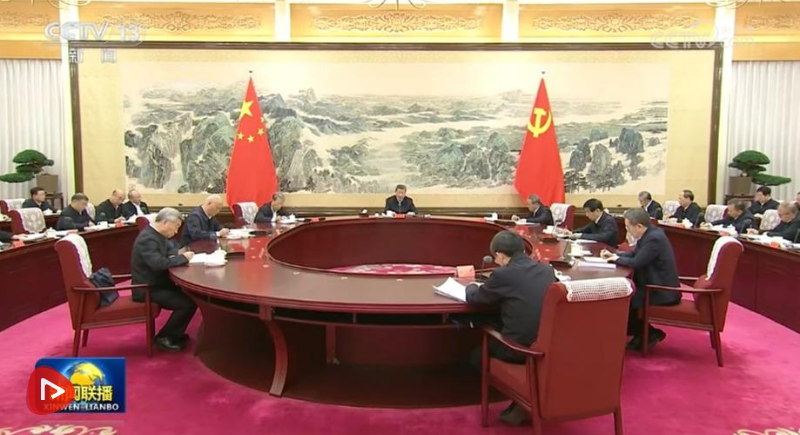
Core Viewpoint - The article emphasizes the importance of strategically developing future industries to support national goals and enhance economic stability, as articulated by General Secretary Xi Jinping during a collective study session of the Central Political Bureau [1][3]. Group 1: Strategic Importance - Future industries are seen as potential strategic emerging industries and pillar industries for the nation, crucial for long-term stability and growth [3]. - The development of future industries is aligned with global innovation and economic restructuring, highlighting the need for a broad and strategic perspective [3]. Group 2: Policy and Planning - The "14th Five-Year Plan" outlines key areas for future industry development, including quantum technology, bio-manufacturing, hydrogen energy, and sixth-generation mobile communication, which are identified as new economic growth points [3][5]. - There is a call for comprehensive planning and coordination between future industries and both emerging and traditional industries to ensure a balanced approach [5]. Group 3: Implementation and Support - Local governments are encouraged to identify future industry trends based on regional resources and capabilities, emphasizing the importance of upgrading traditional industries alongside developing new ones [5]. - The government is urged to enhance policy support to address challenges such as early-stage investment shortages and the need for a robust industrial collaboration network [5][6]. - A commitment to long-term investment and a collaborative mindset among leaders is essential for overcoming challenges and achieving goals in future industry development [5].

云南省委书记王宁:更好发挥比较优势推进经济转型升级
Xin Lang Cai Jing· 2026-01-25 23:27
Core Insights - The central economic work meeting led by General Secretary Xi Jinping emphasizes the importance of aligning thoughts and actions with the new economic strategies and policies for 2026, aiming for economic transformation and development in Yunnan [1][11] Group 1: Economic Environment and Development - The meeting highlights the need to understand the internal and external environments affecting China's development, asserting that the country's economic strength and long-term positive trends remain intact despite global uncertainties [2] - The "Five Musts" outlined by Xi Jinping focus on maximizing economic potential, balancing policy support with reform, and investing in both physical and human capital to address external challenges [3] - The "Eight Persistences" provide a clear direction for economic work, balancing current growth stabilization with long-term sustainable development [3] Group 2: Yunnan's Economic Performance - Yunnan's economy has shown stable and healthy growth during the "14th Five-Year Plan" period, with significant achievements in industrial transformation and risk management [5][6] - The province's GDP surpassed 3 trillion yuan in 2023, with a target of exceeding 7 trillion yuan per capita by 2025, indicating a strong upward trajectory [6] - The share of industrial investment increased from 26.7% in 2020 to 52.1% in 2023, reflecting a robust investment environment [6] Group 3: Social and Environmental Progress - Yunnan has made strides in improving residents' disposable income, with rural income rising from 12,000 yuan in 2020 to 18,500 yuan by 2025 [7] - The province has achieved significant improvements in environmental quality, with water quality in major lakes improving and urban air quality remaining high [7] - The tourism sector has seen a transformation, with visitor numbers expected to reach 780 million by 2025, showcasing the sector's growing importance [8] Group 4: Strategic Initiatives for Future Growth - Yunnan aims to enhance its industrial base by focusing on three major economies and developing strategic emerging industries [12][16] - The province plans to expand investment and consumption to stimulate economic growth, with a focus on infrastructure and public services [13] - Efforts to strengthen open development will leverage Yunnan's geographical advantages to enhance trade and investment with Southeast Asia [14] Group 5: Green Development and Innovation - Yunnan is committed to green and low-carbon development, utilizing its rich clean energy resources to promote sustainable growth [15] - The province aims to integrate technology and innovation into its economic strategies, particularly in agriculture and manufacturing [17] - Initiatives to enhance the quality of life for residents will focus on improving public services and fostering local industries [18]
充分反映中国式现代化之路的特色
Xin Lang Cai Jing· 2026-01-25 23:27
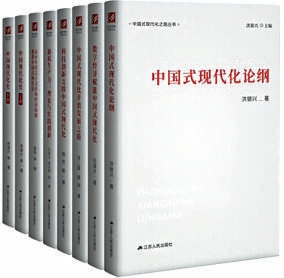
Core Viewpoint - The article discusses the evolution of China's modernization path, emphasizing the transition from exploring "China's modernization" to practicing "Chinese-style modernization," which reflects the aspirations of the people for a better life and is rooted in China's unique historical and social context [3][4]. Group 1: Historical Context and Development Strategy - The modernization pursuit in China began with Mao Zedong's vision of transforming a backward agricultural society into an advanced industrial one, followed by Deng Xiaoping's proposal of a three-step development strategy from basic needs to modernization [3]. - The 18th National Congress of the Communist Party marked a significant breakthrough in theory and practice, successfully advancing and expanding the concept of Chinese-style modernization [4]. Group 2: Theoretical Framework and Innovation - The path to modernization must adhere to general modernization principles while being tailored to China's specific conditions, combining Marxist economic theory with China's realities [4][5]. - The book series aims to systematically study and elaborate on the theoretical framework of Chinese-style modernization, focusing on economic aspects and the necessary innovations to achieve this goal [5][6]. Group 3: Economic Goals and High-Quality Development - High-quality development is essential for advancing Chinese-style modernization, with key economic targets including maintaining reasonable economic growth, improving total factor productivity, and synchronizing income growth with economic growth [5]. - The series emphasizes the need for a modern development path that is more efficient, equitable, sustainable, and secure, in light of tightening material and environmental resource supplies [5]. Group 4: Unique Characteristics of Chinese-style Modernization - Chinese-style modernization is unprecedented and cannot simply replicate historical templates or foreign models; it requires a broad perspective that connects China's history, reality, and future with global contexts [6][7]. - The research on Chinese-style modernization must be grounded in China's specific conditions, with a focus on the guiding role of Xi Jinping's economic thought [7][8]. Group 5: Practical Implications and Educational Value - The book series, initiated after the 20th National Congress, reflects the new spirit of Chinese-style modernization as discussed in subsequent Party meetings, particularly the economic theories of Xi Jinping [8]. - It serves as an important academic resource for cadres, the public, and students, aiming to facilitate theoretical learning and understanding of Chinese-style modernization [8].
讲述中国经济发展的精彩故事
Xin Lang Cai Jing· 2026-01-25 22:24
Group 1 - In 2025, China's GDP is projected to grow by 5.0%, reaching a new milestone of 140 trillion yuan, attracting global attention to China's development story [1] - The Economic Daily has enhanced its multimedia communication system, releasing over 20,000 reports aimed at international audiences, with a total reach of 2.52 billion people [1] - The CEComment video series focuses on economic features and hot topics, revealing China's development strategies and opportunities through various narratives [1] Group 2 - Xi Jinping's economic thought serves as a guiding principle for China's high-quality economic development and contributes to solving global economic challenges [2] - The Economic Daily has conducted in-depth research showcasing China's institutional openness and reforms, including the Hainan Free Trade Port and the beer industry's transition from quantity to quality [2] - In 2025, the Economic Daily launched 23 in-depth research reports overseas, with a total reach of 360 million people [2] Group 3 - In 2025, China's consumption structure is expected to continue optimizing, with significant growth in areas such as trade-in programs and event-driven economies [3] - The DataDive video series provides real-time consumer data from China, highlighting the vibrancy of the Chinese market and the rise of health and sports consumption [3] - China's foreign trade is anticipated to reach a historical high in 2025, reinforcing the attractiveness of the Chinese market and the concept of "buying global, selling global" [3]
全国政协召开2025年度宏观经济形势分析座谈会
Xin Lang Cai Jing· 2026-01-21 22:38
Core Viewpoint - The meeting emphasized the importance of understanding and implementing the economic strategies outlined by the Central Committee, focusing on the achievements and challenges of China's economic development during the "14th Five-Year Plan" period and the upcoming "15th Five-Year Plan" [1][2]. Group 1: Economic Development Strategies - The People's Political Consultative Conference (PPCC) will focus on significant theoretical and practical issues related to economic and social development during the "15th Five-Year Plan" period, organizing research and discussions to support high-quality policy recommendations [2]. - The meeting highlighted the need for collaboration between the party and government to promote policy understanding, stabilize expectations, and enhance public confidence in the economic outlook [2]. Group 2: Key Areas of Focus - Participants discussed various topics including the integration of artificial intelligence with industry innovation, boosting consumption and investment, ensuring fiscal sustainability, and developing a modern industrial system [2]. - The consensus among attendees was that achieving high-quality economic development in 2025 relies on the leadership of General Secretary Xi Jinping and the unified direction of the Central Committee [2].
推动人文经济蓬勃发展
Ren Min Ri Bao· 2026-01-21 22:25
Group 1 - The core argument emphasizes the need for both material and spiritual strength to advance national construction and rejuvenation through Chinese-style modernization [1][2] - The concept of "humanistic economics" introduced by Xi Jinping during the 2023 National People's Congress highlights the relationship between cultural development and economic progress, suggesting that regions with rich culture tend to lead economically [1][2] - The 14th Five-Year Plan aims to promote the integration of economy and culture, establishing a solid material foundation and proactive spiritual force for development [2][3] Group 2 - High-quality development is prioritized in Chinese-style modernization, aiming to create a high-quality life for all citizens, where high-quality development serves as the foundation for high-quality living [3][4] - The integration of cultural prosperity and economic development is essential, with economic growth providing resources for cultural enrichment, while culture influences thought and behavior, driving societal progress [4][5] - The role of technology as a key driver for economic and cultural innovation is emphasized, with a focus on integrating technology into cultural development to enhance quality and efficiency [5][6]
筑牢党领导经济工作的组织生命线
Xin Lang Cai Jing· 2026-01-19 18:10
Group 1 - The core viewpoint emphasizes the importance of the Party's leadership in ensuring the sustained and healthy development of the economy and society, which is crucial for high-quality economic growth [1] - Strengthening the Party's comprehensive leadership over economic work is seen as the fundamental guarantee for high-quality development and the formation of a unified will and strong synergy [1] - The role of organizational work is highlighted as essential for reinforcing the Party's leadership in economic activities, ensuring that the right personnel are selected and appointed [1] Group 2 - The comprehensive leadership of the Party in economic work is first reflected in ideological guidance, which involves deeply learning and implementing Xi Jinping's economic thought to arm minds and guide practices [2] - Practical learning methods, such as on-site training and workshops, are encouraged to ensure that the core essence of Xi Jinping's economic thought is understood and applied effectively in various economic tasks [2] - The focus is on integrating theoretical learning with major tasks like cultivating new productive forces and ensuring development and safety [2] Group 3 - The effectiveness of the Party's leadership in economic work is largely dependent on the capabilities and responsibilities of the cadres, with a focus on selecting individuals who are proactive and effective in economic development [3] - Emphasis is placed on practical actions to address development challenges and enhance economic quality and efficiency, particularly in rural revitalization and county-level economic development [3] - The goal is to create an environment where capable individuals can thrive and contribute significantly to economic construction and rural revitalization [3] Group 4 - Grassroots Party organizations are identified as critical in implementing the Party's leadership in economic work at the community level, acting as the main organizers and practitioners [4] - These organizations play a vital role in transforming Party policies into tangible outcomes in areas such as industrial development and rural improvement [4] - The integration of Party building with various sectors is essential for ensuring effective policy implementation and fostering local economic development [4] Group 5 - Talent is recognized as the primary resource, and innovation is viewed as the main driving force for economic work under the Party's leadership, necessitating a high-quality, innovative talent pool [5] - The development of new productive forces is driven by technological innovation, which relies heavily on innovative talent for breakthroughs in key technologies and fields [5] - The transformation of intellectual advantages into breakthrough advantages in technology is crucial for solidifying the foundation of new productive forces and sustaining high-quality economic development [5]