党对经济工作的全面领导

Search documents
筑牢党领导经济工作的组织生命线
Xin Lang Cai Jing· 2026-01-19 18:10
Group 1 - The core viewpoint emphasizes the importance of the Party's leadership in ensuring the sustained and healthy development of the economy and society, which is crucial for high-quality economic growth [1] - Strengthening the Party's comprehensive leadership over economic work is seen as the fundamental guarantee for high-quality development and the formation of a unified will and strong synergy [1] - The role of organizational work is highlighted as essential for reinforcing the Party's leadership in economic activities, ensuring that the right personnel are selected and appointed [1] Group 2 - The comprehensive leadership of the Party in economic work is first reflected in ideological guidance, which involves deeply learning and implementing Xi Jinping's economic thought to arm minds and guide practices [2] - Practical learning methods, such as on-site training and workshops, are encouraged to ensure that the core essence of Xi Jinping's economic thought is understood and applied effectively in various economic tasks [2] - The focus is on integrating theoretical learning with major tasks like cultivating new productive forces and ensuring development and safety [2] Group 3 - The effectiveness of the Party's leadership in economic work is largely dependent on the capabilities and responsibilities of the cadres, with a focus on selecting individuals who are proactive and effective in economic development [3] - Emphasis is placed on practical actions to address development challenges and enhance economic quality and efficiency, particularly in rural revitalization and county-level economic development [3] - The goal is to create an environment where capable individuals can thrive and contribute significantly to economic construction and rural revitalization [3] Group 4 - Grassroots Party organizations are identified as critical in implementing the Party's leadership in economic work at the community level, acting as the main organizers and practitioners [4] - These organizations play a vital role in transforming Party policies into tangible outcomes in areas such as industrial development and rural improvement [4] - The integration of Party building with various sectors is essential for ensuring effective policy implementation and fostering local economic development [4] Group 5 - Talent is recognized as the primary resource, and innovation is viewed as the main driving force for economic work under the Party's leadership, necessitating a high-quality, innovative talent pool [5] - The development of new productive forces is driven by technological innovation, which relies heavily on innovative talent for breakthroughs in key technologies and fields [5] - The transformation of intellectual advantages into breakthrough advantages in technology is crucial for solidifying the foundation of new productive forces and sustaining high-quality economic development [5]
经济治理理论的创新和突破丰富和发展了习近平经济思想
Sou Hu Cai Jing· 2025-12-09 08:37
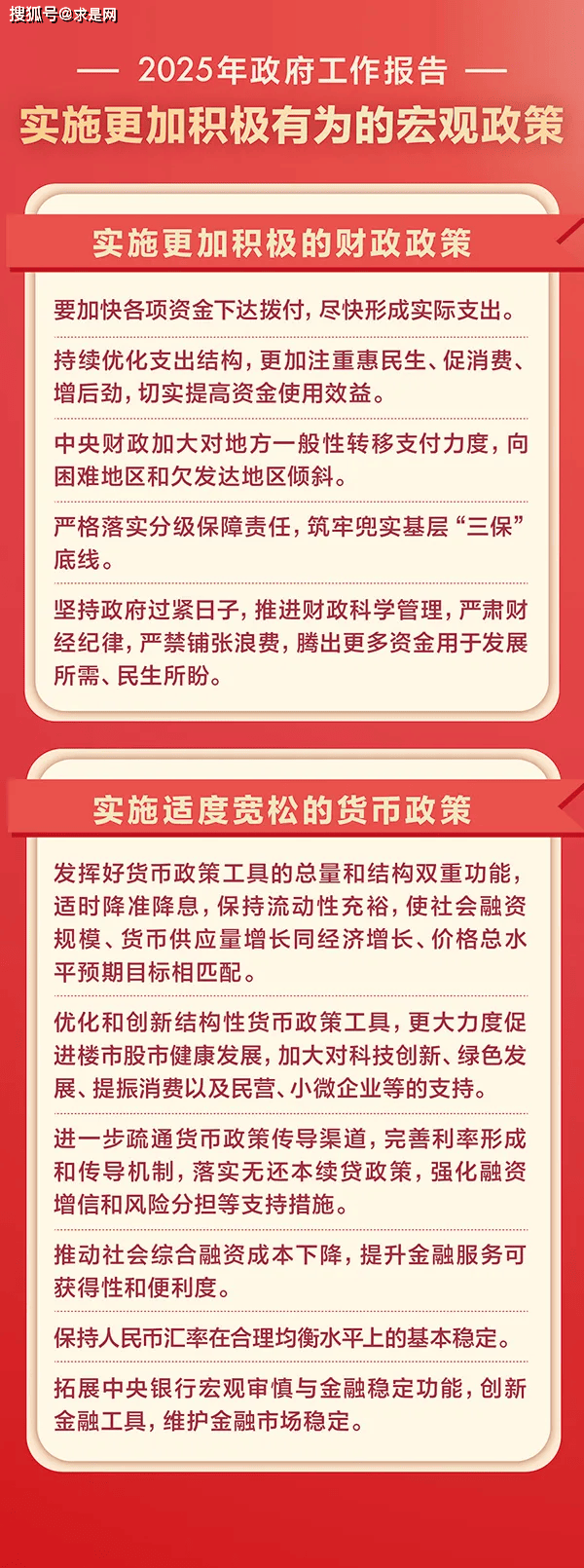
Core Viewpoint - Economic governance is a crucial aspect of national governance, aiming to maximize economic potential and public welfare while addressing market failures and maintaining order [1] Group 1: Economic Governance Objectives - The primary goal of economic governance is to explore economic development potential and enhance vitality while effectively addressing market failures [1] - In the context of a complex domestic and international economic environment, high-quality economic governance is essential for achieving sustainable development [1] Group 2: Role of the Communist Party - The Communist Party of China is the highest political leadership force, playing a central role in economic governance [2] - Strengthening the Party's leadership in economic work is fundamental to enhancing governance effectiveness and ensuring policy coherence [2] Group 3: Fiscal and Monetary Policies - The government should maintain a tight fiscal policy, manage finances scientifically, and avoid waste to allocate more funds for development and public welfare [4] - An appropriately loose monetary policy is necessary to ensure liquidity and support sectors like real estate, technology innovation, and small enterprises [5] Group 4: Macro-Economic Governance - Macro-economic governance is the core of economic governance, requiring innovative governance approaches to address increasing complexity [8] - The focus has shifted from mere macro-control to comprehensive macro-economic governance, emphasizing the importance of strategic planning and policy coherence [8] Group 5: Development and Security - Economic governance must balance development and security, as high-level security is a prerequisite for high-quality development [9] - The emphasis on integrating development and security reflects the need to address risks and challenges in a complex environment [9]