结构性去杠杆

Search documents
集体杀跌!三大变数,突袭股市!
券商中国· 2026-02-05 03:31
Core Viewpoint - The article discusses the recent decline in stock prices, emphasizing that both narrative logic and liquidity are essential for understanding market movements. It highlights the impact of external market conditions and internal structural changes on A-shares and global markets [1][4]. Group 1: Market Trends - The A-share market experienced a significant adjustment following a previous rebound, with a notable decrease in financing balance by 13.9 billion yuan, indicating a "structural deleveraging" process [2]. - The U.S. market's leveraged loan index has been on a downward trend since reaching its peak on January 13, with a significant drop observed recently, reflecting a broader deleveraging process [5]. - The technology sector's narrative is shifting, with layoffs at Oracle and concerns about AI financing leading to a decline in valuations across the AI sector [2][5]. Group 2: Asset Performance - A-shares and Hong Kong stocks followed the downward trend of global markets, with major indices experiencing declines of over 1%, and specific sectors like precious metals and semiconductors facing significant losses [4]. - The cryptocurrency market also saw substantial declines, with Bitcoin dropping below $71,000 and Ethereum falling over 6%, indicating a liquidity shock affecting various asset classes [4]. Group 3: Liquidity and Economic Indicators - The article notes that despite overall liquidity being ample, the approach of the Spring Festival is leading to a temporary decline in leverage, as evidenced by the drop in financing balance [4]. - The U.S. dollar liquidity index has entered a warning zone at -60%, indicating a tightening of liquidity, which is expected to impact market volatility and investor sentiment [7]. - In China, the central bank's recent actions, including net withdrawals and anticipated liquidity measures, suggest a cautious approach to managing liquidity in light of upcoming cash demands due to the holiday [8].


中油工程: 中国石油集团工程股份有限公司向特定对象发行A股股票方案论证分析报告
Zheng Quan Zhi Xing· 2025-08-29 17:47
Core Viewpoint - The company plans to issue A-shares to a specific entity, China National Petroleum Corporation, to raise funds for key projects aligned with the Belt and Road Initiative, enhance energy security, and improve its financial structure [1][2][3]. Group 1: Background and Purpose of the Issuance - The issuance aims to support the Belt and Road Initiative by funding significant energy projects in Iraq and the UAE, which will enhance local economic benefits and the company's international operational capabilities [2][3]. - The issuance is also intended to align with China's new energy security strategy, improving cash flow and supporting the implementation of national energy projects [2][3]. - The company seeks to optimize its market layout and promote overseas business development, with new contracts in domestic and international markets showing significant growth [2][3]. Group 2: Use of Proceeds - The funds raised will be allocated to the Basra seawater pipeline project in Iraq and gas pipeline projects in Abu Dhabi, with 70% of the funds directed towards these projects and 30% for working capital and R&D [10][20]. - The company emphasizes the importance of increasing R&D investment to enhance core competitiveness and accelerate the commercialization of research outcomes [3][4]. Group 3: Financial Strategy - The issuance will help reduce the company's debt-to-asset ratio, improve financial health, and support high-quality development [4][5]. - The company aims to maintain a stable capital structure through equity financing, which is more favorable compared to debt financing [5][6]. Group 4: Issuance Details - The issuance will consist of 1,674,944,241 A-shares at a price of RMB 3.53 per share, based on the average trading price over the previous 20 trading days [10][11]. - The issuance process has been approved by various internal committees and will require further approvals from regulatory bodies [13][14]. Group 5: Fairness and Reasonableness of the Issuance - The issuance plan has undergone multiple reviews and is designed to protect the interests of all shareholders, ensuring transparency and fairness in the voting process [14][25]. - The company has committed to measures to mitigate the potential dilution of immediate returns for existing shareholders [15][24]. Group 6: Conclusion - The issuance is deemed necessary and feasible, aligning with the company's strategic goals and benefiting all shareholders [25].

东方财富策略陈果:估值驱动行情的市场特征
Sou Hu Cai Jing· 2025-08-11 01:33
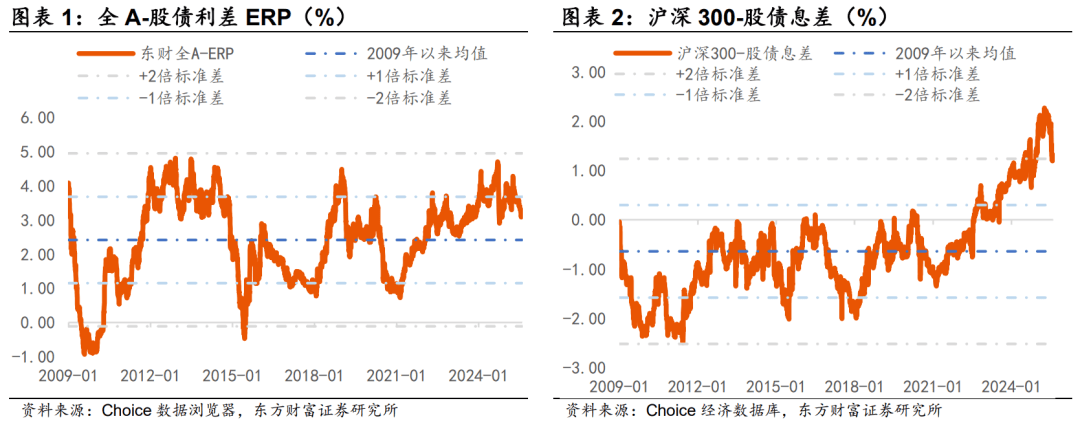
Core Viewpoint - The Shanghai Composite Index has reached new highs, but there are signs of a cooling trading sentiment due to the pullback in high-position sectors like overseas computing power and pharmaceuticals, along with a slight decline in total trading volume across the A-share market. The focus for the upcoming week will be on the results of the China-US tariff negotiations and the earnings reports from leading internet companies, which may provide guidance on the domestic AI development trend. In the medium term, the logic of a slow bull market driven by improved ROE expectations and liquidity remains unchanged, suggesting that any market pullback could present a buying opportunity [1][3][6]. Market Trends - The current market shows a clear valuation-driven characteristic, with historical examples of significant valuation factor contributions during previous market phases, such as H2 2014 to H1 2015, Q1 2019, 2020-2021, and Q4 2024. These historical patterns provide insights into the current market dynamics [1][3][6]. - The market trend is influenced by liquidity expectations, where once a positive feedback loop of funds is initiated, the impact of fundamental factors on market fluctuations diminishes. Changes in liquidity expectations have historically led to trend shifts [2][6]. Incremental Capital Characteristics - The behavior of incremental capital influences market style. In the first half of the year, the shares of actively managed equity funds and pure bond funds have declined, while "fixed income plus" funds have shown signs of recovery, indicating that they may serve as a key vehicle for resident capital entering the equity market during the initial phase of the market's profit-making effect [2][7]. Structural Rotation Patterns - Historical liquidity bull markets have shown clear patterns of low-position asset rebounds during their initial and concluding phases, with high-growth sectors and high capital sensitivity growth styles performing best throughout the bull market phases [9][19]. - The current market structure indicates that sectors like overseas computing power and innovative pharmaceuticals are experiencing a phase of adjustment, attributed to high trading concentration and uncertainties surrounding tariff policies [3][13][15]. Valuation and Earnings Outlook - The current valuation levels for sectors such as optical modules and Hong Kong innovative pharmaceuticals are still below the average valuation levels since 2022, suggesting potential for future valuation adjustments. The upcoming quarter may see a shift in valuations, with the 2026 forecasted PE significantly lower than historical averages for these sectors [17][19]. - The distribution of gains and losses across various industries remains balanced, with the annual gain-loss distribution of the Shenwan secondary industry index at a reasonable level compared to historical data [19].