估值驱动行情

Search documents
财信证券袁闯:估值驱动行情延续 节后把握结构性机会
Zhong Guo Zheng Quan Bao· 2026-02-14 01:18
Core Viewpoint - The A-share market is influenced by multiple factors, showing characteristics of valuation-driven and structural differentiation, with an upward trend expected to continue post-Spring Festival [1][2]. Market Dynamics - The A-share market is experiencing a clear upward trend supported by improving corporate earnings, increased willingness of residents to invest, and ongoing policies to optimize industry competition [2]. - Short-term market fluctuations are expected due to seasonal effects, particularly around the Lunar New Year, but the overall upward trend remains intact [2][4]. Market Structure Characteristics - Historical data shows that since 2009, the average spring market rally lasts 57 days with an average increase of over 20%, with value blue-chip sectors performing well before the Spring Festival [3]. - The equity market is currently in a bullish window until early March 2026, with a focus on risk management and strategic positioning [3]. Post-Spring Festival Outlook - The A-share market is anticipated to continue its upward trend post-Spring Festival, supported by macroeconomic recovery, stable policy environment, and regulatory measures to prevent overheating [4]. - There is potential for a "red envelope market" if consumer data exceeds expectations, reinforcing cyclical sector support [4]. Investment Strategies - The investment logic post-Spring Festival will focus on "value supporting growth," with a shift from low-risk to high-risk preferences, emphasizing technology and cyclical sectors [7]. - Five key investment themes are recommended: 1. AI industry chain focusing on application development and performance-driven investments [7]. 2. High dividend yield assets, particularly in stable cash flow sectors like home appliances and banking [7]. 3. Sectors benefiting from policy-driven improvements, such as coal, steel, and lithium [7]. 4. Core areas of domestic demand recovery, including health, sports, and travel industries [8]. 5. Investment opportunities in strategic and industrial metals, anticipating a rebound in prices [8].
东方财富策略陈果:估值驱动行情的市场特征
Sou Hu Cai Jing· 2025-08-11 01:33
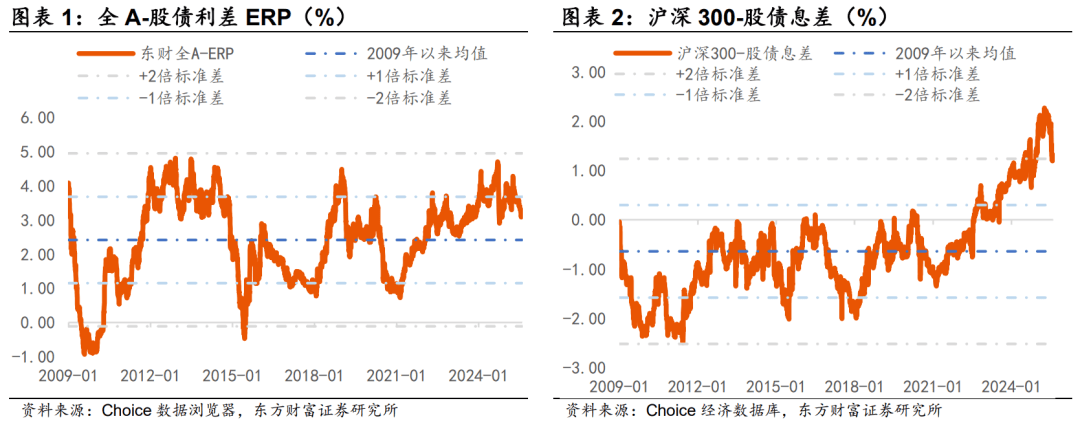
Core Viewpoint - The Shanghai Composite Index has reached new highs, but there are signs of a cooling trading sentiment due to the pullback in high-position sectors like overseas computing power and pharmaceuticals, along with a slight decline in total trading volume across the A-share market. The focus for the upcoming week will be on the results of the China-US tariff negotiations and the earnings reports from leading internet companies, which may provide guidance on the domestic AI development trend. In the medium term, the logic of a slow bull market driven by improved ROE expectations and liquidity remains unchanged, suggesting that any market pullback could present a buying opportunity [1][3][6]. Market Trends - The current market shows a clear valuation-driven characteristic, with historical examples of significant valuation factor contributions during previous market phases, such as H2 2014 to H1 2015, Q1 2019, 2020-2021, and Q4 2024. These historical patterns provide insights into the current market dynamics [1][3][6]. - The market trend is influenced by liquidity expectations, where once a positive feedback loop of funds is initiated, the impact of fundamental factors on market fluctuations diminishes. Changes in liquidity expectations have historically led to trend shifts [2][6]. Incremental Capital Characteristics - The behavior of incremental capital influences market style. In the first half of the year, the shares of actively managed equity funds and pure bond funds have declined, while "fixed income plus" funds have shown signs of recovery, indicating that they may serve as a key vehicle for resident capital entering the equity market during the initial phase of the market's profit-making effect [2][7]. Structural Rotation Patterns - Historical liquidity bull markets have shown clear patterns of low-position asset rebounds during their initial and concluding phases, with high-growth sectors and high capital sensitivity growth styles performing best throughout the bull market phases [9][19]. - The current market structure indicates that sectors like overseas computing power and innovative pharmaceuticals are experiencing a phase of adjustment, attributed to high trading concentration and uncertainties surrounding tariff policies [3][13][15]. Valuation and Earnings Outlook - The current valuation levels for sectors such as optical modules and Hong Kong innovative pharmaceuticals are still below the average valuation levels since 2022, suggesting potential for future valuation adjustments. The upcoming quarter may see a shift in valuations, with the 2026 forecasted PE significantly lower than historical averages for these sectors [17][19]. - The distribution of gains and losses across various industries remains balanced, with the annual gain-loss distribution of the Shenwan secondary industry index at a reasonable level compared to historical data [19].